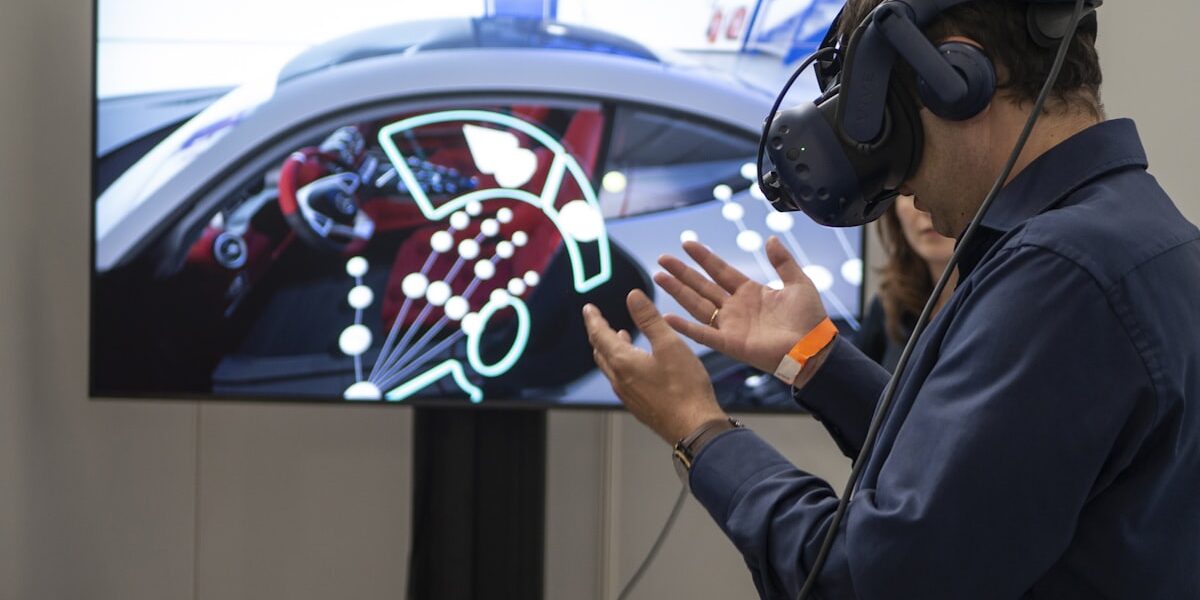
Spatial computing went mainstream in 2024, and in 2025, the ecosystem is maturing fast. We spent a month alternating between Apple’s Vision Pro and Meta’s Quest 3 to understand where each excels.
Display Quality
The Vision Pro is in another league visually. Dual micro-OLED displays with 23 million pixels create a window into a virtual world so sharp it’s hard to believe you’re wearing a headset. The Quest 3’s pancake lens display is excellent for its price but can’t match the clarity or color accuracy of the Vision Pro.
Mixed Reality
Both headsets offer passthrough AR, but Apple’s EyeSight camera passthrough is nearly indistinguishable from the real world. Meta’s Quest 3 passthrough is good for the price but has a greenish tint and reduced resolution compared to real life.
Content & Apps
Meta wins on content. The Quest Store has hundreds of gaming titles, fitness apps, and social experiences that simply don’t exist on visionOS. The Vision Pro excels for productivity — spatial web browsing, FaceTime, and 3D content creation — but the entertainment library is still growing.
Comfort & Weight
Both headsets have comfort issues with extended wear. The Vision Pro’s front-heavy design causes neck fatigue after 60-90 minutes. The Quest 3 is lighter and more balanced, making it better suited for gaming sessions or fitness workouts.
Verdict
For most people, the Meta Quest 3 is the obvious choice — excellent quality at a fraction of the price. The Vision Pro is a glimpse at the future of computing, best suited for professionals who need spatial productivity or those who demand the absolute best in visual quality.

Leave a Reply