



























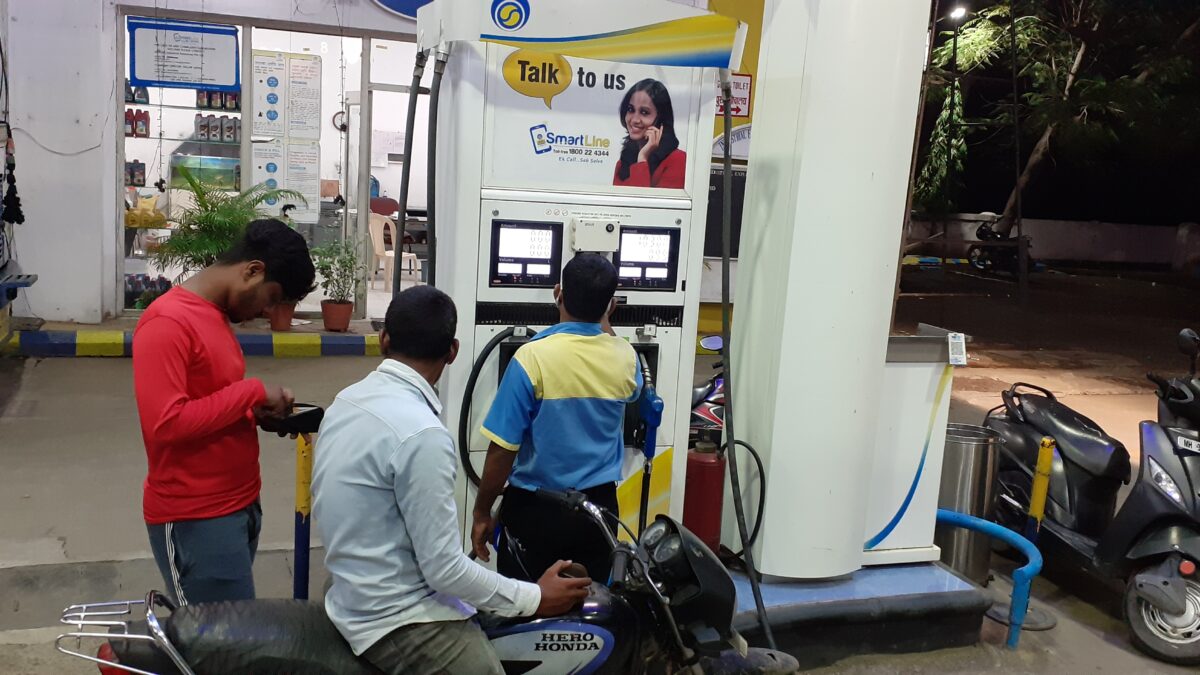
As fuel stations across India complete the transition to E20 petrol (20% ethanol), owners of older BS-III and early BS-IV vehicles are raising concerns about long-term fuel-system durability. Advisories outline preventative steps to help older vehicles manage ethanol-blended fuel safely.
Executive Summary & Technical Background
Ethanol is cleaner-burning, but it is hygroscopic (absorbs water) and works as a solvent. Modern E20-compliant vehicles use reinforced fuel lines and coated tanks, while older pre-2012 vehicles often used natural rubber hoses and untreated metal tanks that can corrode or degrade over time.
Component Wear Audit: What Is Affected?
| Component | Risk Factor | Solution / Preventative Fix |
| Rubber Fuel Hoses | High risk of hardening/cracking | Replace with modern FKM synthetic rubber hoses |
| Carburetor / Fuel Injectors | Deposit build-up from moisture separation | Use fuel stabilizer additives during long storage |
| Steel Fuel Tanks | Internal rusting due to water absorption | Keep fuel above half-tank to limit air exposure |
Actionable Maintenance Guide for Older Cars
- Inspect Fuel Lines: Check rubber lines between tank, filter, and engine bay for cracks/softening.
- Use Fuel Stabilizers: If parked for weeks, add stabilizer to prevent ethanol phase separation.
- Replace Fuel Filters Regularly: Ethanol loosens old deposits; replace filters every 10,000 km to prevent injector clogs.
Pros & Cons of E20 Fuel
Pros
- Reduces crude oil import dependency.
- Lowers carbon monoxide and hydrocarbon emissions.
Cons
- Gradual wear on non-compatible rubber seals in older vehicles.
- 2–3% drop in fuel efficiency due to lower energy density.
The Spec’d Final Verdict
E20 is now standard across most pumps. Modern vehicles need no changes, but for legacy BS-III / early BS-IV vehicles (especially pre-2012), a routine upgrade to ethanol-resistant hoses can prevent long-term issues.
Frequently Asked Questions (FAQs)
Will E20 fuel damage my new car?
No. Most vehicles built after April 2023 are engineered for E20.
What happens if ethanol fuel sits in a parked car for months?
Water absorption can cause phase separation; stabilizers help prevent it.
How do I know if my fuel lines need replacement?
If the vehicle is pre-2012 with original rubber hoses, inspect for cracks/stiffness and replace with FKM synthetic hoses.


