






































From October 1, every new car tested in India has to run its air conditioner during the mileage test, and that one change is expected to knock the claimed figure down by roughly 1 to 2 kmpl on petrol and diesel cars, according to CarDekho’s reading of the new rule. It will not make your car less efficient. It will just stop the brochure from lying to you by leaving the compressor off.

What Actually Changes From October 1
The Ministry of Road Transport and Highways has notified that all M1 category vehicles, the class that covers hatchbacks, sedans, SUVs, MPVs and crossovers, must be tested for fuel consumption with the air-conditioning system running, under the AIS-213 standard. Autocar India and CarDekho both confirm the same core facts: the rule covers petrol, diesel, CNG, hybrid and electric M1 vehicles, and manufacturers must now publish both the AC-on and the AC-off figures in owner’s manuals, on official websites and in marketing material, not just the flattering one.
| Before October 1 | From October 1 |
| Mileage tested with AC switched off | Mileage tested with AC running, per AIS-213 |
| Brochure shows one number | Brochure must show AC-on and AC-off numbers |
| Applies to ICE cars only in practice | Applies to petrol, diesel, CNG, hybrid and EV M1 vehicles |
| No disclosure requirement | Disclosure mandatory in manual, website and marketing |
Why Your Mileage Number Has Been a Little Bit of a Lie
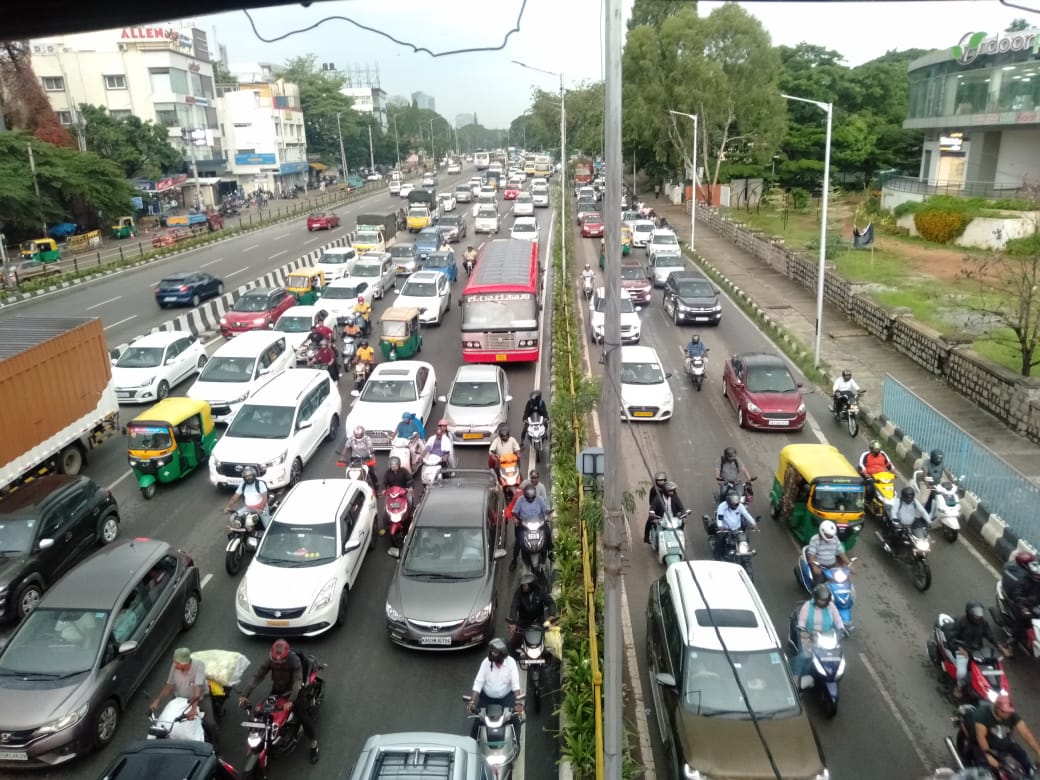
Nobody drives an Indian city without the AC on for most of the year, and the compressor is one of the biggest single drags on a small petrol engine’s efficiency. Testing without it has let every automaker publish a number that almost no one on the road actually gets, and it is a big reason ARAI figures and real-world mileage have felt disconnected for years. AIS-213 does not fix engines. It fixes the test so the number on the sticker starts to resemble the number on your fuel gauge.
Claimed vs Real: What the Gap Looks Like Right Now
No car has an official AC-on figure yet since the rule only takes effect on October 1, so here is what today’s AC-off ARAI numbers look like next to what owners actually report. The Tata Nexon EV is the clearest example of why this matters for EVs too, since AC load is the single biggest reason claimed and real electric range drift apart in Indian summers.
| Car (current AC-off ARAI claim) | What’s actually recorded |
| Maruti Swift petrol AMT: 25.75 kmpl claimed | 15.9 kmpl in Autocar India’s own tested figures |
| Hyundai i20 petrol manual: up to 20.4 kmpl claimed | 9-12 kmpl in city traffic with AC on, per Team-BHP owner reports |
| Tata Nexon EV, 30 kWh: 275 km claimed range | Tata’s own C75 real-world cycle claim: 210-230 km |
| Tata Nexon EV, 45 kWh: 489 km claimed range | Team-BHP owner trip reports: 320-370 km, in line with Tata’s own C75 claim of 350-370 km |
That is the gap AIS-213 is aimed at closing, and it is also why the site does not print a mileage number without saying where it came from. No independent AC-on test of any Indian car exists yet, so treat any number claiming to be one before October 1 as marketing, not data.
The Fine Print Problem
The rule forces two numbers into the brochure. It does not force either one into bold type.
Here is the honest concern with how this will actually play out. MoRTH is requiring disclosure of both figures, not requiring the AC-on figure to be the headline number. Nothing stops a manufacturer from putting the bigger AC-off figure in the ad and the smaller, more honest AC-on figure in a footnote nobody reads at the dealership. Neither Autocar India nor CarDekho reported any SIAM or automaker statement on how brochures will actually present the two numbers, which is itself worth noting. Until a few real launches show how this plays out in showroom material, read past the biggest number on any brochure printed after October 1 and look for the second one.
Should You Wait Until After October 1 to Buy?
Mostly, no. The rule governs new type-approval testing, not a mass retest of every car already on sale, and neither MoRTH’s notification nor the coverage of it says existing models get pulled in and recertified on October 2. In practice, the honest AC-on number will show up model by model, starting with new launches and facelifts filed for certification after the deadline. If you are comparing two cars where one was certified in August and one launches in November, you are not comparing like for like anymore, and that is the one situation actually worth waiting for.
Frequently Asked Questions
Does the AC-on testing rule apply to motorcycles and scooters?
No. AIS-213’s new AC-on requirement is written for M1 category vehicles, which means cars. Two-wheelers are certified under separate L-category standards and are not covered by this change.
Will my current car’s brochure mileage figure change on October 1?
Not automatically. Cars already type-approved keep their existing AC-off certified figure until they go through their next certification, typically at a facelift or a new variant launch, so most cars on sale today will not get a new number overnight.
Is the AC-on figure going to be lower for every car?
For petrol, diesel and CNG cars, yes, industry estimates cited by CarDekho put the drop at roughly 1-2 kmpl. For EVs, the claimed range does not physically shrink, but the AC-on test is expected to bring the certified number 10 to 30 km closer to what owners actually see, since the old AC-off claim was overstating it by about that much.


