
























Every EV spec sheet you have read this year has probably said “lithium-ion battery” somewhere. That is about to change. CATL, the company that already builds more EV batteries than anyone else on the planet, has started shipping a completely different kind of battery, one that swaps out lithium for sodium, and it is already going into showroom-ready cars. If that sounds like a lab experiment, it is not. Here is why it matters to you.
So What Actually Is a Sodium-Ion Battery?
A regular lithium-ion battery works by shuffling lithium ions back and forth between two electrodes every time you charge or discharge. A sodium-ion battery does the exact same job, just with sodium ions instead. Sodium sits right below lithium on the periodic table, so chemically it behaves in a similar way, but it comes from something as common as table salt instead of a metal that has to be mined from a handful of countries and shipped around the world at volatile prices.
That is the whole pitch in one line: nearly the same battery, made from a material nobody can run short of, and one that is naturally cheaper because there is no lithium or cobalt in the bill of materials at all.
The Numbers CATL Is Betting On
CATL calls its version Naxtra, and it is not a concept. It passed China’s official GB 38031-2025 electric vehicle battery safety standard, the first sodium-ion battery in the world to do so, and it is now in full-scale production.
| Energy density | Up to 175 Wh/kg, the highest of any sodium-ion battery on sale today |
| Range today | Over 400 km on a full charge in current passenger EVs |
| Range roadmap | CATL is targeting 500 to 600 km for future pure-electric versions |
| Cold weather | Retains over 90% of its capacity at minus 40°C, and stays stable down to minus 50°C |
| Lifespan | Rated for more than 10,000 charge cycles |
The cold weather number is the one worth sitting with. Lithium-ion batteries lose a big chunk of their usable range in freezing temperatures because the chemistry slows down. CATL says Naxtra delivers nearly triple the discharge power of an equivalent LFP (lithium iron phosphate) battery at minus 30°C. LFP is the same budget-friendly chemistry that powers most affordable EVs in India today, so that is a genuinely big jump, not a marginal one.
Who Is Actually Building This Into Cars

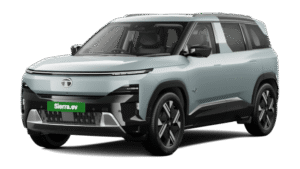
CATL and automaker Changan have already put sodium-ion power into cars on real roads, with Changan confirming it will roll the tech out across its full brand portfolio, including AVATR, Deepal, Qiyuan and UNI, by the middle of 2026. That is a genuine mass-market push, not a one-off halo model.
Interestingly, BYD is playing a different game. Rather than rushing sodium-ion into its passenger cars, BYD is putting its own sodium battery line to work in large-scale energy storage first, chasing a manufacturing cost of around 0.3 yuan per watt-hour by 2027. Two of the world’s biggest battery makers, same raw material, two very different bets on where it pays off first.
Why This Matters Even If You Are Not Buying a Chinese EV

A battery that does not need lithium, does not flinch in the cold, and costs less to build is exactly the kind of chemistry an Indian EV needs, whether that is for a Ladakh road trip in December or a scooter that has to survive a Delhi winter parking lot.
No manufacturer has confirmed sodium-ion batteries for India yet, and this piece is not claiming they have. But the direction is worth watching. Indian buyers already lean on LFP batteries because they are cheaper and safer than the nickel-based chemistry used in premium EVs abroad. Sodium-ion aims at that same budget-and-safety spot, with an even lower raw material cost and better cold performance. If CATL’s mid-2026 rollout across Changan’s lineup goes well, do not be surprised if this chemistry reaches export markets, India included, sooner than solid-state batteries ever will.


