





























Every major battery maker just circled the same year on the calendar for a battery tech that charges faster, packs more range and is far less likely to catch fire. Here’s why that matters, without the jargon.
If you’ve been anywhere near EV news lately, you’ve probably seen the term “solid-state battery” thrown around like it’s about to fix everything. In just the last few weeks, Toyota reaffirmed its 2027 to 2028 launch window with supply partner Idemitsu, China’s CATL confirmed small-scale trial production starting in 2027, and BYD filed six new solid-state patents in the same window. That’s not a coincidence. It’s the whole battery industry converging on one deadline, and it’s worth understanding what actually changes when it arrives.
What Actually Makes a Battery “Solid-State”
Every lithium-ion battery in your phone, laptop or current EV works the same basic way. Two electrodes, a positive cathode and a negative anode, sit in a liquid electrolyte, which is just a chemical soup that lets lithium ions shuttle back and forth to store and release charge. That liquid is also the battery’s biggest weakness. It’s flammable if the cell is punctured or overheats, it degrades a little every time you charge, and it needs thick protective layers that add weight without adding range.
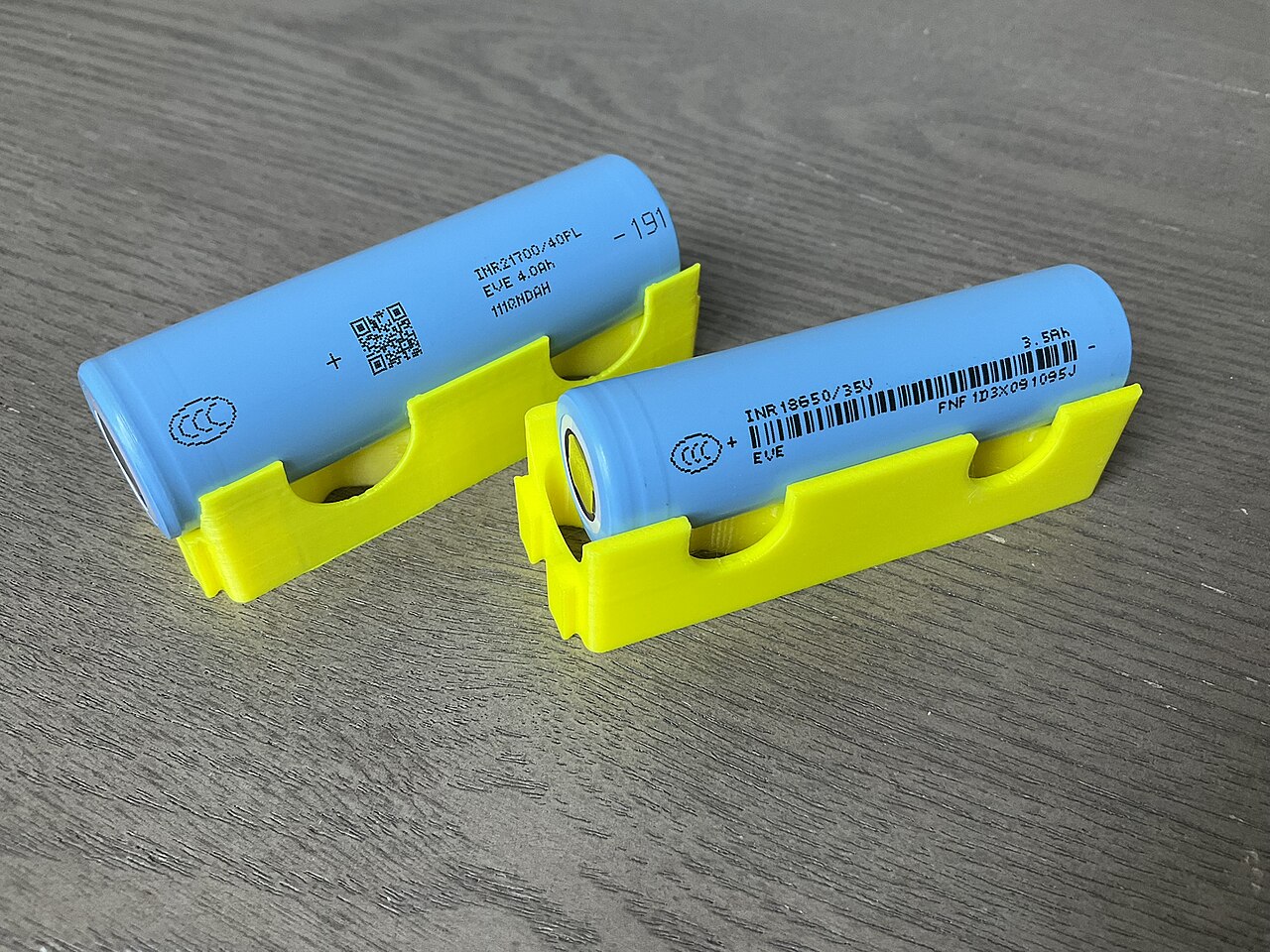
A solid-state battery swaps that liquid electrolyte for a solid one, usually a ceramic or sulfide material. No liquid means far less fire risk. But the bigger deal for buyers is what it does for the numbers: a solid electrolyte lets engineers pack more energy into the same size cell and move lithium ions across it faster. In plain terms, that means smaller, lighter battery packs for the same range, or a lot more range in the same size, plus charging times that manufacturers claim could drop from today’s 30 to 40 minutes down to closer to 10.
Why 2027 Has Every Big Name Circled
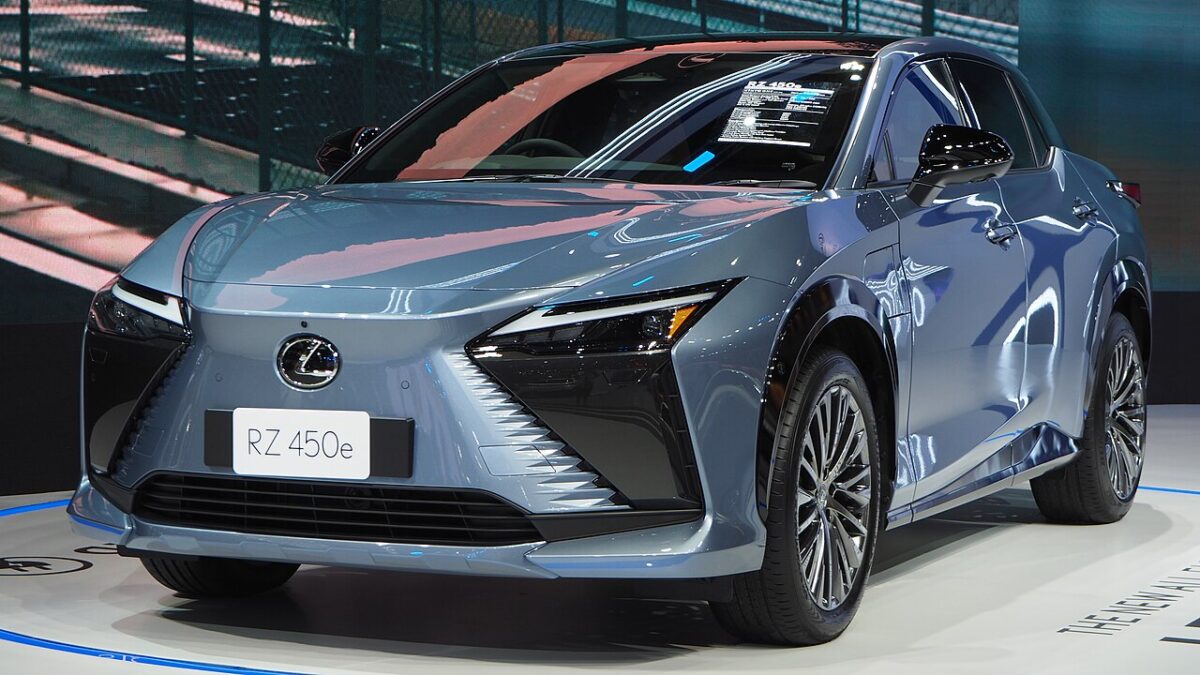
Toyota and Idemitsu have confirmed the same 2027 to 2028 commercialization window they’ve been building toward for years, and Toyota’s Lexus arm is widely expected to get the first production car built around the tech. That tracks: Lexus’s current electric flagship, the RZ, is exactly the kind of premium model that can absorb an early, expensive battery. Meanwhile CATL and BYD, China’s two biggest battery and EV players, are both targeting small-scale trial production in 2027 too, even as CATL’s own chief scientist admits true mass-market scale (the kind that puts solid-state in a million-plus cars a year) isn’t likely before 2030.
The honest read: 2027 is when the first real solid-state cars roll off pilot lines in small numbers at premium prices, not when solid-state becomes the default battery in your next mass-market EV.

What This Means If You’re Shopping in India Right Now
Nothing changes for your next EV purchase today, and that’s fine. Solid-state’s first cars will land in Japan, the US and China first, at luxury price points, well before the tech reaches India’s mass EV market. But the timeline still matters, because it sets a benchmark. Every liquid-electrolyte EV launching in India between now and 2028 is essentially the last generation of “old” battery tech before this shift starts trickling down to more affordable cars. If range anxiety and charging time are the two things holding you back from going electric, this is the wave worth watching, even if it’s still a couple of years from reaching a showroom near you.


