
























Fifteen percent. That is the import duty India promised global automakers on fully-built electric cars, down from 110 percent, if they committed ₹4,150 crore to building EVs here. Three months after the application portal opened, and with the window closing October 21, not one company has filed. Mercedes-Benz, Volkswagen, Skoda, Hyundai and Kia all said they were interested. None has actually applied.
The scheme is called SPMEPCI, the Scheme to Promote Manufacturing of Electric Passenger Cars in India, notified by the Ministry of Heavy Industries on June 24. On paper it should have been the easiest yes in the industry: a five-year tax break in exchange for a local manufacturing commitment, aimed squarely at the premium EVs Indian buyers currently pay a fortune to import. In practice, the fine print has kept every interested manufacturer on the sidelines.
What India’s EV Import Duty Cut Actually Offers
The concession only applies to Completely Built Units, cars shipped in fully finished for an ex-showroom India launch, not knocked-down kits assembled locally. Here is what qualifying for it actually requires.
| Term | What It Actually Means |
| Import duty on CBUs | 15 percent for 5 years, against the standard 110 percent |
| Minimum investment | ₹4,150 crore (~$500 million), committed within 3 years |
| Annual import cap per automaker | 8,000 vehicles a year at the concessional rate |
| Minimum price per car (CIF value) | $35,000, roughly ₹29-30 lakh before duty, insurance or taxes |
| Localisation requirement | 25 percent domestic value addition rising to 50 percent within 5 years |
| Application window | Opened June 24, closes October 21 |
That ₹4,150 crore is not a refundable deposit. It is the minimum an automaker must actually spend building Indian manufacturing capacity, on top of running a local component supply chain that hits 50 percent value addition inside five years. For a brand still deciding whether India is worth a showroom, that is a five-year factory commitment dressed up as a tax form.
Who Has Actually Applied for the 15% Duty Rate
This is the part that should worry the ministry more than it seems to. Every brand named below went on record as interested. None has filed paperwork.
| Automaker | Status |
| Mercedes-Benz | Formally expressed interest, no application filed |
| Volkswagen | Formally expressed interest, no application filed |
| Skoda | Formally expressed interest, no application filed |
| Hyundai | Formally expressed interest, no application filed |
| Kia | Formally expressed interest, no application filed |
| Tesla | Not pursuing the scheme at all, plans showrooms only |
Union Heavy Industries Minister H.D. Kumaraswamy addressed Tesla’s position directly: “Tesla is only interested in opening a showroom till now. They want to sell their car in India. There is no further development about Tesla.” Tesla already builds nowhere outside the US, China and Germany, so a five-year India factory commitment was never realistic. The surprise is that Mercedes-Benz, Volkswagen, Skoda, Hyundai and Kia, all of whom already run full-scale Indian plants for petrol and diesel models, have also stayed out.
Why Zero Automakers Have Signed Up
Industry reporting points to the same two sticking points everywhere. First, ₹4,150 crore is a serious bet on a segment that still sells in the low thousands of units a year in India. Second, hitting 50 percent localisation inside five years is a tall order for EV-specific parts like battery cells and power electronics, where India’s supply chain is thin. A brand can read the incentive as real and still conclude the conditions cost more than the duty saved.
The scheme offered a 95-point drop in duty. What it asked for in return is a five-year industrial commitment, not a paperwork exercise, and that is why the interest never turned into an application.
What This Means If You’re Eyeing an Imported EV
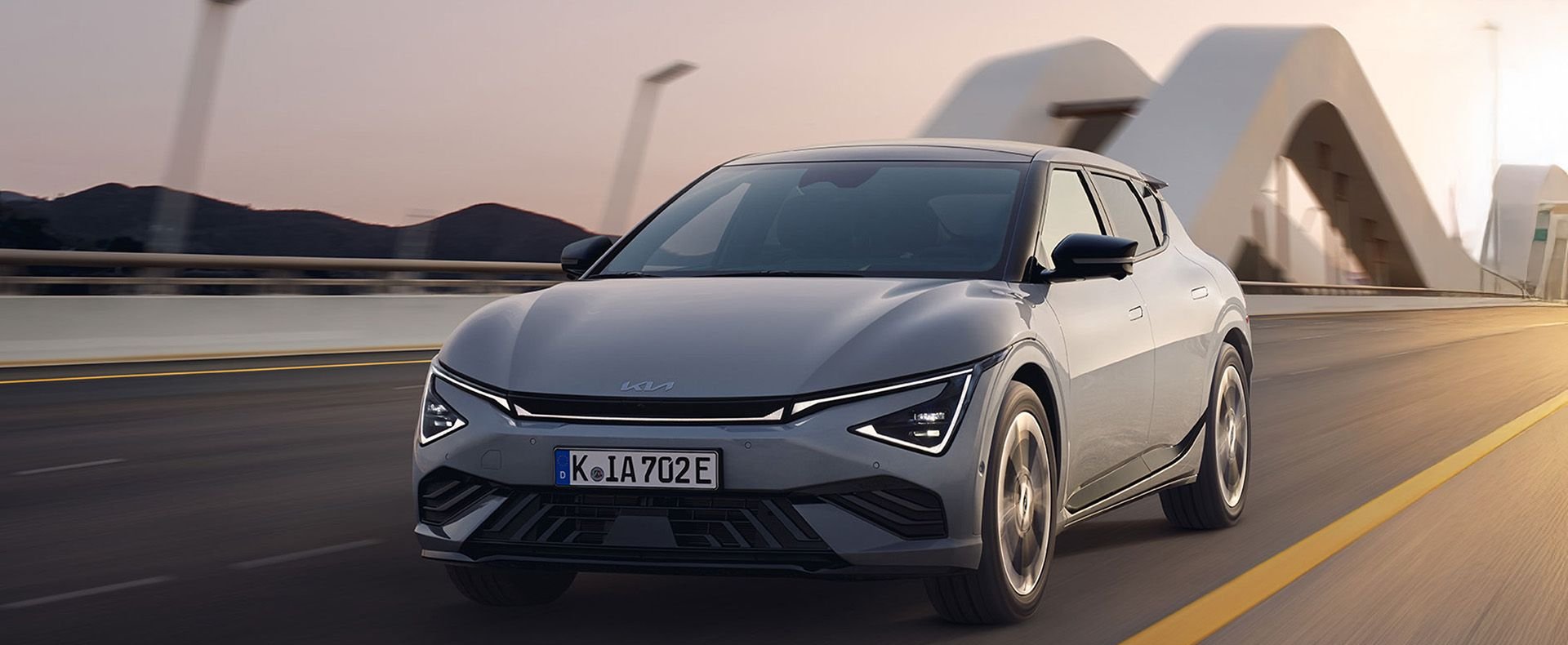
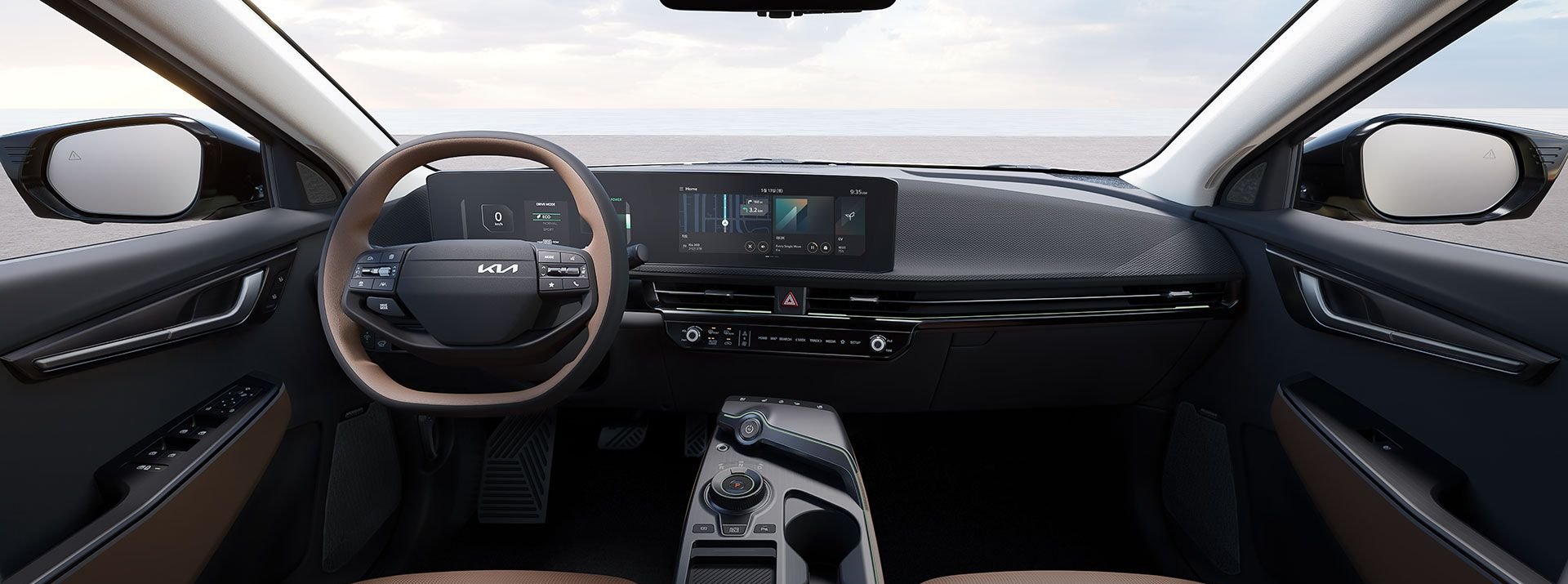
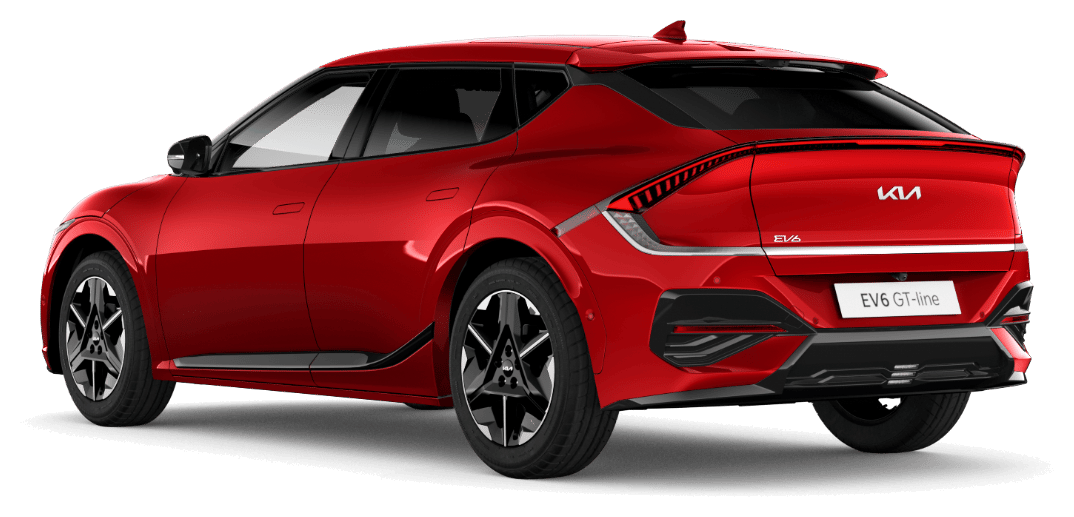
Nothing changes for your next purchase, and that is the actual news here. The Kia EV6 still lists at ₹65,97,937 ex-showroom Delhi in its sole GT-Line AWD trim, a price that already carries the full 110 percent duty on a car built in South Korea. With the window closing October 21 and no application on record, there is no scenario left where that duty drops before this cycle ends. The Kia EV6 and Tesla Model Y end up on oddly similar footing: one brand never wanted the scheme, the other wanted it in principle and still priced itself out of using it.
If you are shopping in this bracket, judge any imported EV on what it costs today, not on a duty cut that may never materialise. Buyers looking at the segment more broadly can see the full spread of what is currently sold in India, duty and all, on the site’s luxury cars page.
Will the Kia EV6, Mercedes EQS or BMW models get cheaper because of this scheme?
Not under the current application cycle. The 15 percent rate only applies to a manufacturer that has been approved under SPMEPCI, and as of now none has even applied, so every fully-imported EV on sale in India continues to pay the standard 110 percent duty.
Why did Tesla not apply for India’s EV import duty cut?
Tesla has said, through Union Minister H.D. Kumaraswamy, that it is only interested in opening showrooms in India, not manufacturing here. SPMEPCI’s core requirement is a ₹4,150 crore local investment, which does not fit a sell-only plan.
What happens if no automaker applies before the deadline?
The government would need to either extend the window, loosen the investment or localisation terms, or let the scheme lapse without a single beneficiary. None of those outcomes has been officially confirmed yet, so treat any “duty cut coming soon” claim about a specific imported EV with scepticism until an actual approval is announced.

