





































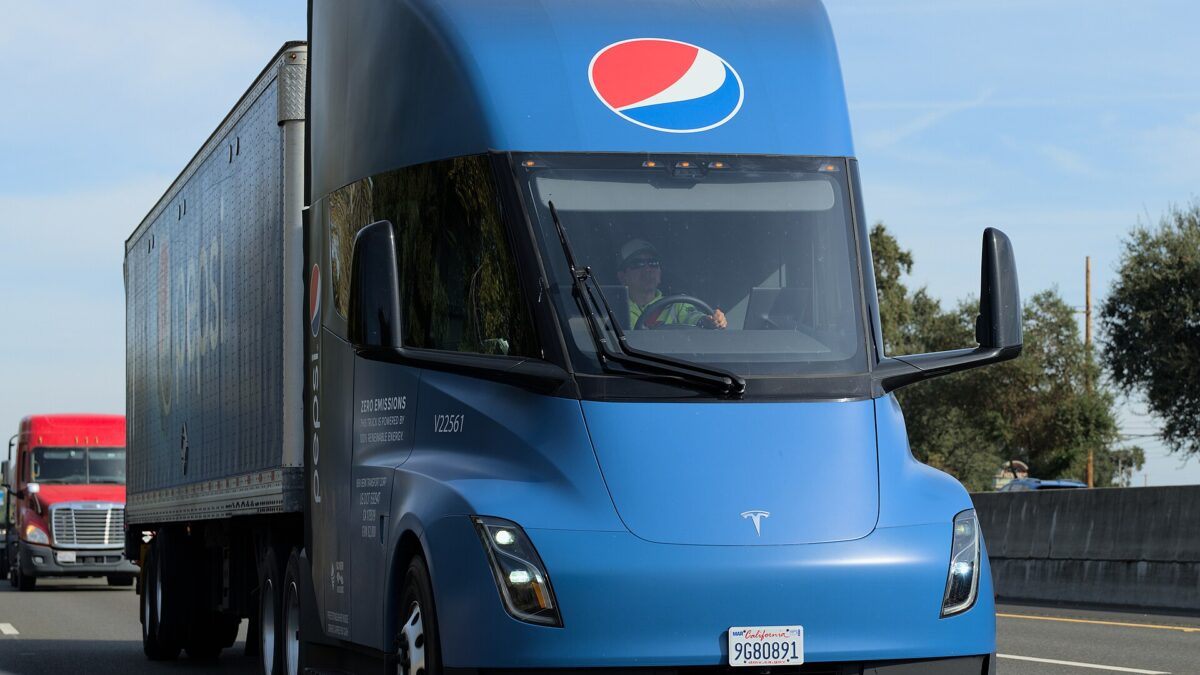
Here is a number that should make every electric-truck sceptic sit up: 500. That is how many Tesla Semis the Swedish freight-tech company Einride just committed to putting on real roads, hauling real cargo for Amazon and other big shippers across North America. Announced on 18 August 2026, it is the single largest Tesla Semi deployment anywhere in the world so far, and it triples the size of Einride’s own electric truck fleet in one move. If you have been wondering whether the battery-powered heavy truck is a science-fair project or an actual business, this is your answer.
Why 500 trucks is a big deal
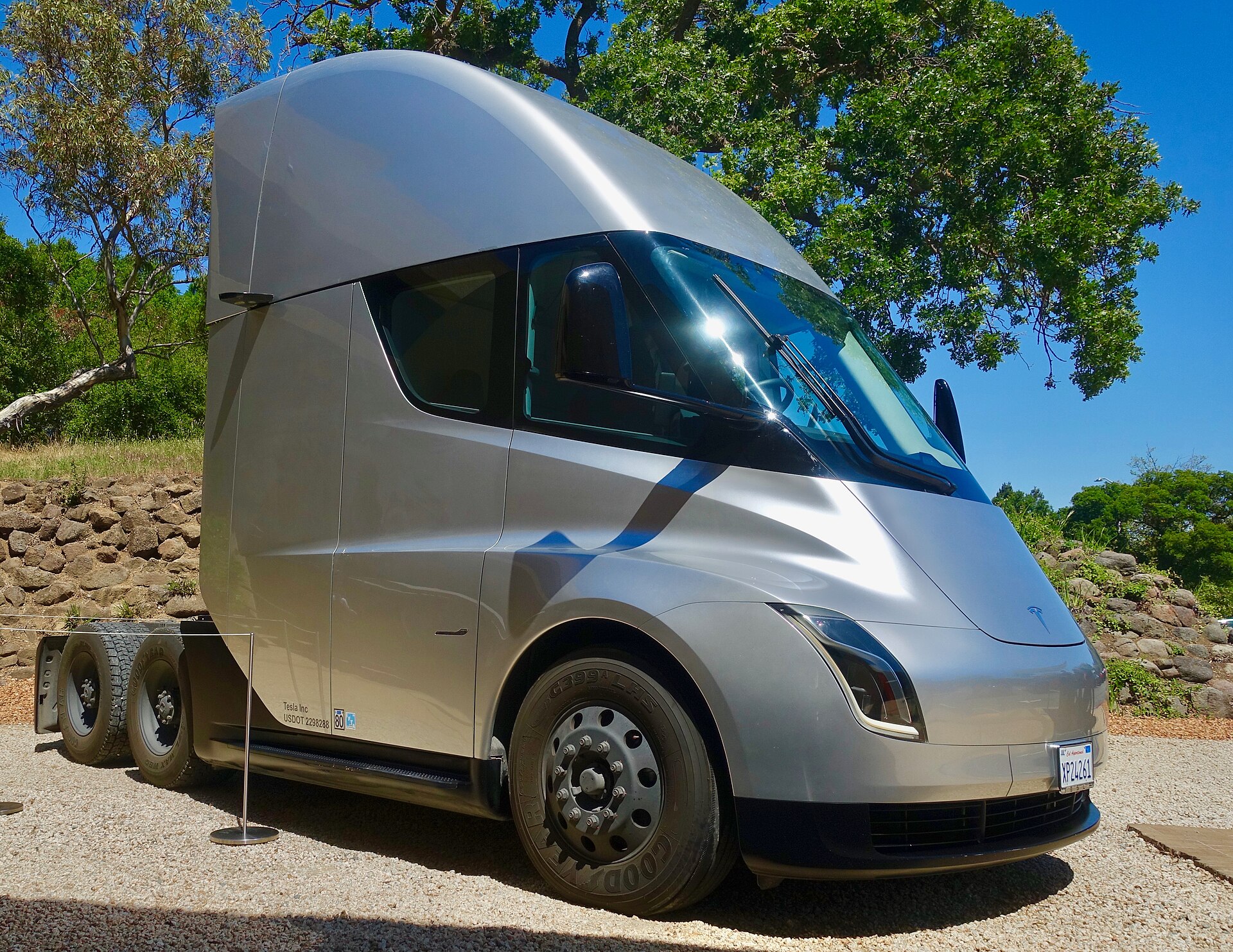
A Class 8 truck is the heaviest category of goods vehicle, the kind that pulls a full 40-foot trailer down a highway. Getting even a handful of them to run on batteries has been hard, because a big battery is heavy and takes time to charge. So an order for 500 of them is not a press-release stunt. Einride says the rollout happens in phases over the next 24 months, starting in September 2026, and it is fully funded through third-party financing, meaning outside investors are backing the trucks rather than Einride paying cash up front. The deployment stretches across freight corridors in California, Texas, New Jersey, Illinois and Georgia.
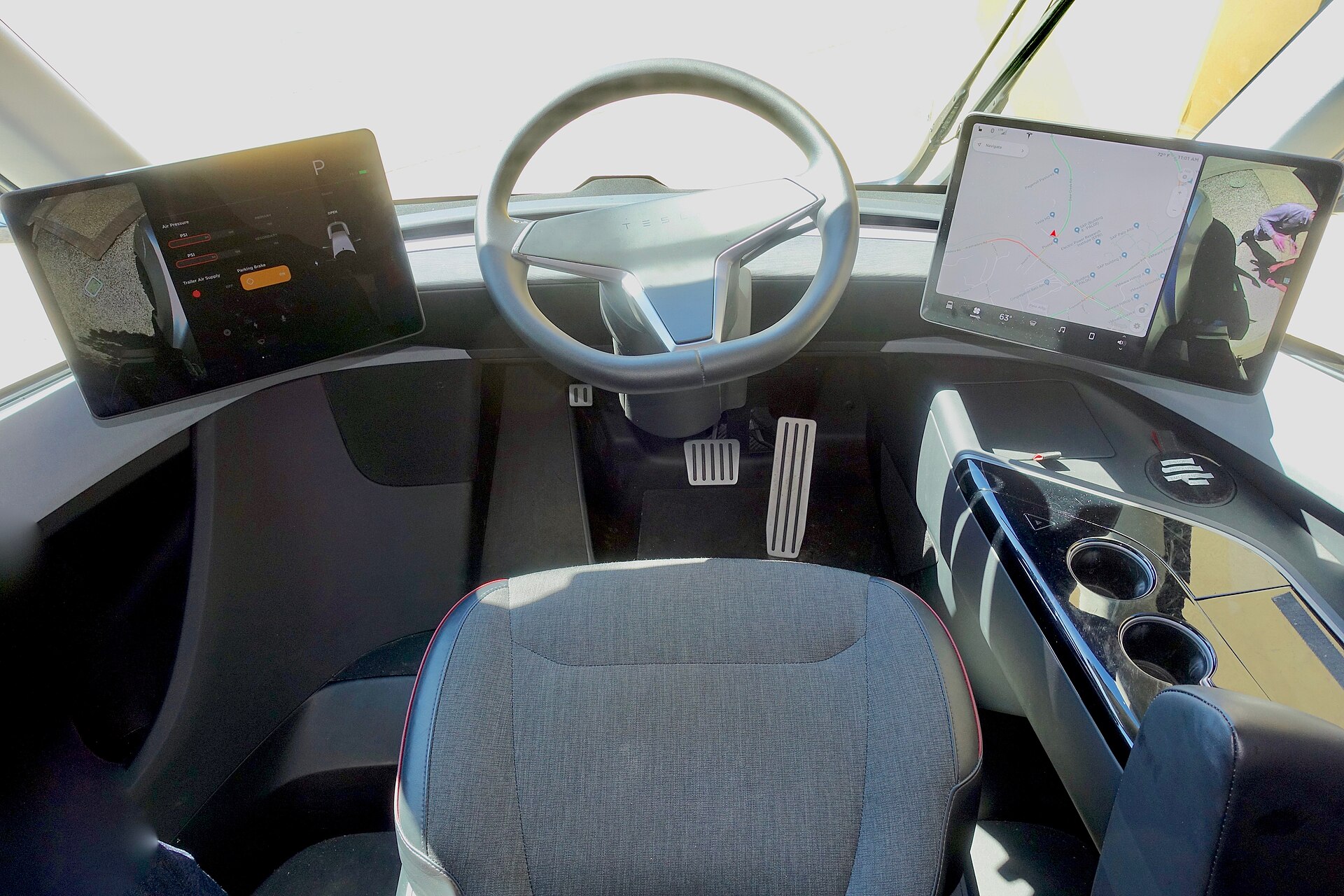
The trucks will run on Einride’s software brain called Saga AI. Think of it as an air-traffic-control system for electric trucks. It juggles the awkward bits that diesel never had to worry about, like when each truck should charge and how energy prices move through the day, and turns a pile of individual trucks into one coordinated network. Einride says Saga has already managed more than 19 million electric miles, so this is battle-tested, not a beta.
The money behind the move
Here is the part that matters for whether this actually sticks. Einride calls the deal a step toward converting roughly 800 million US dollars of potential long-term annual recurring revenue into active, revenue-generating freight capacity. In plain English: they already have contracts signed with shippers, and these trucks are how they turn those promises into trucks that earn money every day. Tesla’s Semi director Dan Priestley put the sales pitch simply, saying electric heavy trucks deliver lower cost per mile through fuel savings, less maintenance and better uptime, and that those savings grow when you run them at scale.
This deployment is yet another proof point that we can execute at the scale our customers demand, said Einride CEO Roozbeh Charli.

What it means for India watchers
India is not getting the Tesla Semi. But the logic here is exactly the one our own logistics giants are chewing on. Fleet buyers do not care about badges, they care about cost per kilometre, and a proven electric heavy truck that beats diesel on running cost is the thing that finally moves the needle. When 500 of them go into daily service for a customer as demanding as Amazon, it stops being a maybe and becomes a template. Watch the numbers that come out of these corridors over the next two years, because that data is what every fleet operator, here and abroad, will be reading. You can follow the rest of the shift over on our EVs & Future Tech hub, and dig into Tesla’s wider lineup on the Tesla brand page.


