




















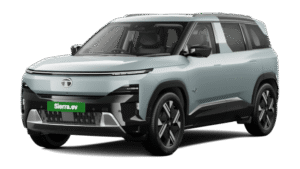









ChargeIndia went live this month with 40+ charging networks, 25,000-plus charging points and 1,200-plus cities inside one app, letting you pay any of them through UPI without preloading a separate wallet for each. That is a genuinely useful fix for a Bengaluru EV owner who told The Core he has 112 separate charging apps on his phone. What it does not fix is whether the charger your screen calls “available” is actually free when you get there.
Why India’s EV Owners Are Buried in Charging Apps
India now has more than 50 charging point operators (CPOs), and until this month there was no single layer connecting them. The Core’s reporting on this found Chintan, a Bengaluru-based owner of a Tata Nexon EV and a TVS iQube scooter, who has downloaded 112 charging apps and regularly keeps 20-25 on his phone. “Whenever I go to a new city or say if I’m travelling, every station that I go to, I’ll find a new app that I’ll have to download,” he said.
Priyans Murarka, a Delhi-based MG ZS EV owner, described the same grind on a Mumbai-Delhi run: checking separately whether the ChargeZone and Tata Power chargers along the route were actually live, because each network only reports its own status on its own app. Multiply that by 50-plus operators and you get an EV owner who spends more time app-switching than charging.

What ChargeIndia Actually Does
ChargeIndia is not a charging network. It owns no chargers. It is a technology layer, built on the Open Charge Point Interface (OCPI) standard, that plugs into other operators’ systems and shows their chargers, live status and pricing inside one app. At launch it carries Statiq, ChargeMOD and ChargeZone, with more CPOs expected to join. Founder Devbrat Hariyani framed the pitch simply: “EV charging should work like any other essential service; consumers should be able to use it without having to understand which network sits behind it.”
| What | Detail |
| Model | Aggregator app, OCPI-based, owns no chargers |
| Networks at launch | Statiq, ChargeMOD, ChargeZone (40+ CPOs claimed total) |
| Coverage claimed | 25,000+ charging points, 1,200+ cities |
| Payment | Direct UPI per session, no CPO-specific prepaid wallet |
| Platforms | Android and iOS |
| Founder | Devbrat Hariyani |
Claimed Numbers vs What Is Actually Confirmed
The 40+ networks and 1,200+ cities figures come from ChargeIndia itself, echoed by trade outlets EVreporter and electrive.com without independent verification of live accuracy. Separately, EVreporter’s own tracking put India’s total public charging stations at 52,718 as of July 2026, of which only 16,561 are DC fast chargers for cars. So even a fully working aggregator only shows a slice of a network that is itself thin outside big cities.
| Claimed by ChargeIndia | Independently confirmed |
| 40+ charging networks integrated | 3 named at launch: Statiq, ChargeMOD, ChargeZone |
| 25,000+ charging points reachable | Not verified against a live count; India’s total public network was 52,718 stations as of July 2026 per EVreporter |
| Real-time availability | No independent test has checked whether ChargeIndia’s live status is more accurate than the source app it pulls from |
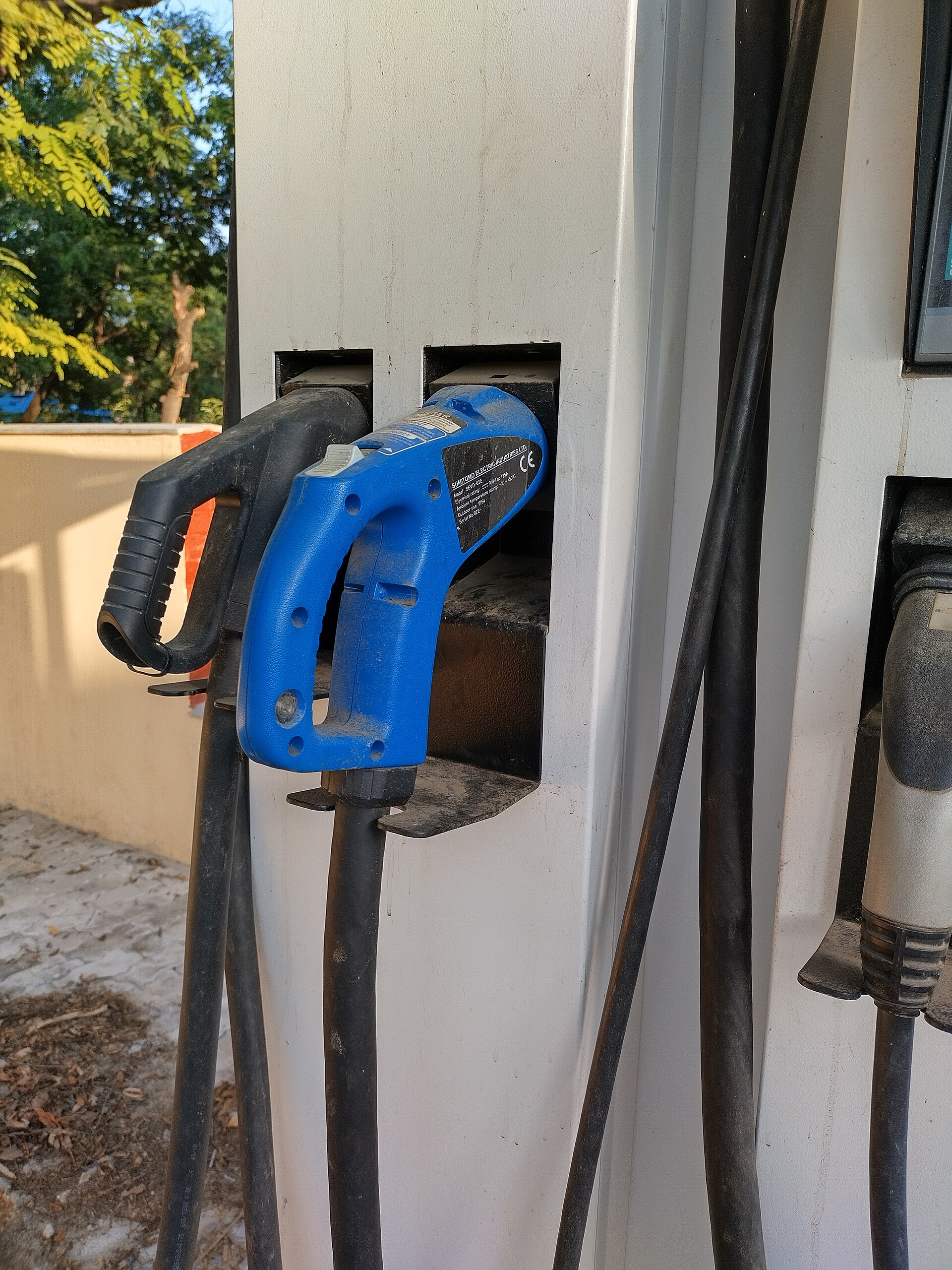
ChargeIndia Isn’t the Only One Trying This
A second startup, SOLOev, is building the same idea, a single scan-to-charge account across 40+ networks, and pitches itself as the “BharatPe of EV charging.” The difference is that SOLOev is still in waitlist mode with a Bengaluru, Delhi and Mumbai rollout planned, while ChargeIndia is already live on both app stores. Two separate teams chasing the same fix at the same time tells you the app-fatigue problem is real, not marketing spin from either one.
What This Means on the Highway
Aggregation matters most on intercity runs, where you are least likely to already have the right app installed. Tata Power’s own EZ Charge network, India’s largest single operator with 6,700+ public and captive points, commissioned a 240 kW ultra-fast DC station on the Bengaluru-Chittoor-Tirupati/Chennai highway this week. Whether EZ Charge is inside ChargeIndia’s 40+ network list has not been confirmed by either company, worth checking before you plan a route around it. If you own a Tata Nexon EV, the car Chintan uses to test this exact problem, or you are cross-shopping it against the newer Curvv EV, this is exactly the kind of network gap that decides whether a Bengaluru-Chennai trip needs range anxiety or not.

ChargeIndia removes the wallet-top-up tax on every new charging network. It does not, and cannot by itself, guarantee the plug at the other end actually works.
Should You Delete Your Other Charging Apps?
Not yet. Keep your home network’s own app, since that is where your billing history and support tickets live. Use ChargeIndia for unfamiliar cities and highway stretches where you would otherwise be downloading a fifth or sixth app mid-trip. India’s EV registrations are already up 48.6% year-on-year to roughly 22 lakh units between January and August 2026, per Vahan data, so this fragmentation problem was only getting worse without a fix like this, however incomplete it still is on day one.
Frequently Asked Questions
Does ChargeIndia cost extra to use over paying the charging network directly?
Neither ChargeIndia nor the outlets covering its launch have disclosed a markup or convenience fee, so confirm the per-session price in the app before you charge, since this has not been independently verified either way.
Is Tata Power’s EZ Charge network part of ChargeIndia?
It has not been confirmed. Only Statiq, ChargeMOD and ChargeZone were named as launch partners, so do not assume EZ Charge stations show up inside ChargeIndia yet.
Do I still need a separate RFID card for charging?
Not for the three confirmed launch partners, since payment routes through UPI in the app. For any network not yet integrated, you will still need that network’s own app or card.


