































Five electric cars start under ₹15 lakh in India, and Autocar India has independently range-tested every one of them. Four fall 90 to 165 km short of their claimed range once you add real traffic, AC and highway speed.
The MG Windsor EV does not. Its 38kWh pack landed just 24 km short of its own claim, the smallest gap in the group by a wide margin. That one number should decide more of this shortlist than any brochure spec.
The five cars: Tata Tiago EV, Tata Punch EV, Citroën eC3, Tata Nexon EV in its cheaper Medium Range trim, and the MG Windsor EV. Every badge line starts below ₹15 lakh, though a couple of the specific variants whose range numbers get quoted most often actually sell above that line. We flag it wherever that happens.
Price, Battery and Claimed Range
| Model | Ex-Showroom Price | Battery | ARAI/MIDC Claimed Range |
| Tata Tiago EV | ₹6.99–10.09 lakh | 19.2 / 24 kWh | Up to 293 km |
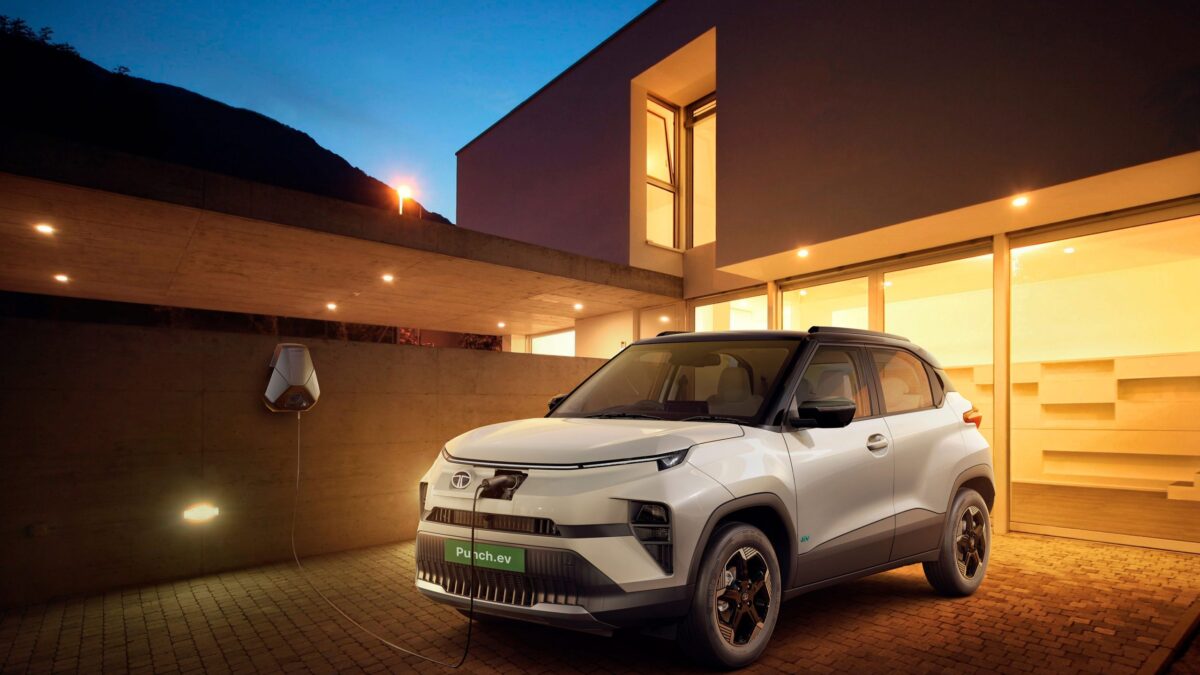
| Tata Punch EV | ₹9.69–12.69 lakh | 30 / 40 kWh | Up to 468 km |
| Citroën eC3 | ₹10.25–13.36 lakh | 29.2 kWh | 320 km |
| Tata Nexon EV (MR) | ₹12.49 lakh onwards | 30 kWh | 325 km |
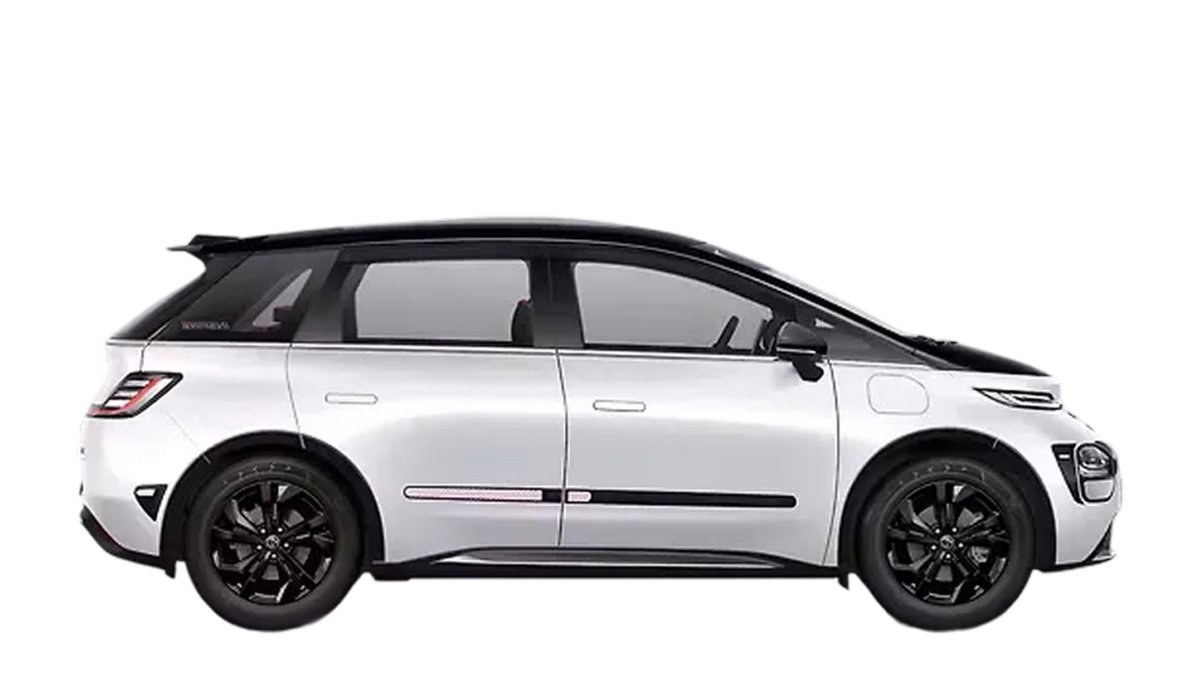
| MG Windsor EV (Excite) | ₹14.70 lakh | 38 kWh | 332 km |
The Tiago EV and Punch EV also sell under Battery-as-a-Service (BaaS): buy the car without the battery, rent it by the kilometre instead. Entry prices drop to ₹4.69 lakh and ₹6.49 lakh, at roughly ₹2.60 per km.
It looks cheap on a showroom floor. Run your actual monthly kilometres through the math before picking BaaS over an outright purchase and a normal loan.

Claimed vs Real-World Range: What Autocar India Actually Measured
Brochure range comes from a lab cycle. None of the real-world numbers below are from The Spec’d’s own testing; we don’t run a test fleet. They’re Autocar India’s own instrumented city-and-highway loop, run with the AC in auto mode, the closest thing to an independent number that exists for all five of these cars.
| Model | Claimed Range | Autocar India Tested Range | Shortfall |
| Tata Tiago EV (24kWh) | 293 km | 187 km combined | -106 km (36%) |
| Tata Punch EV (40kWh) | 468 km | 304 km combined (317 city / 291 highway) | -164 km (35%) |
| Citroën eC3 | 320 km | 228 km combined | -92 km (29%) |
| Tata Nexon EV (45kWh Long Range) | 489 km | 350 km combined | -139 km (28%) |
| MG Windsor EV (38kWh) | 332 km | 308 km combined (327 city / 289 highway) | -24 km (7%) |
One honesty flag: the Nexon EV row is for the 45kWh Long Range car, which starts closer to ₹17 lakh once you pick a usable trim. Nobody has independently tested the cheaper 30kWh Medium Range Nexon EV that actually fits ₹15 lakh. Treat its 325 km claim as exactly that, a claim.
The MG Windsor EV is the only car here whose ARAI number you can almost trust. Every other electric car under ₹15 lakh loses a quarter to a third of its claimed range the moment you turn on the AC and join real traffic.
Which Variant Is Actually Worth Booking
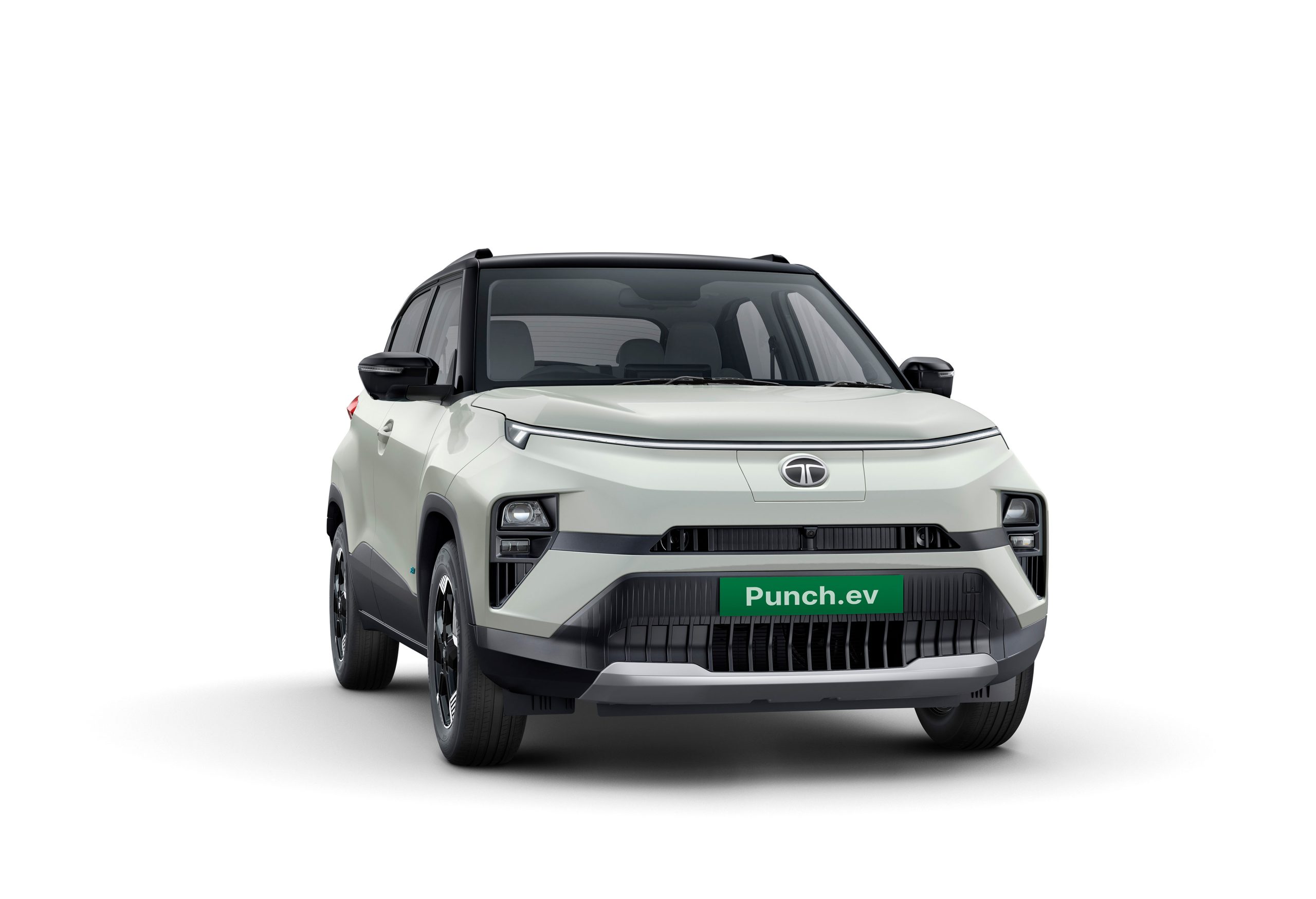
Buy the Tata Punch EV Empowered with the 40kWh pack, priced around ₹12.3 lakh ex-showroom. It has the second-best tested real-world range here at 304 km, undercuts the Nexon EV Long Range by roughly ₹5 lakh, and its SUV stance suits Indian roads better than the low-slung eC3 or Tiago EV.
Skip the base 30kWh Smart and Smart+ trims unless your driving stays strictly inside city limits. The smaller pack’s real-world range hasn’t been independently tested, and the 40kWh jump costs a sensible ₹2-3 lakh for genuine highway usability.
Full specs and images of the Tata Punch EV are on its detail page, including an EMI calculator for what ₹12.3 lakh costs monthly. Wondering how much of that premium over the cheaper Tiago EV is worth paying? Compare the Punch EV and Tiago EV side by side.
Where Each One Actually Falls Short
The Tiago EV’s 187 km real-world figure suits a short city commute and little else, and that’s on the bigger 24kWh pack; the base 19.2kWh version will be worse.
The Citroën eC3 tests weaker still in absolute terms (228 km) while costing nearly as much as a well-specced Punch EV, making it the weakest value here.
The Windsor EV’s honest range comes with two catches: its cheapest outright price already sits at the top of this budget, and the BaaS route that gets it under ₹10 lakh adds a ₹3.99 per km battery rental, among the steepest of any car here.
The Nexon EV MR is the only one on this list nobody has independently range-tested yet.
Which electric car under ₹15 lakh has the best real-world range?
By Autocar India’s testing, the Tata Nexon EV’s 45kWh Long Range managed 350 km combined, the highest figure here. But that trim starts near ₹17 lakh. Among cars that genuinely stay under ₹15 lakh, the MG Windsor EV’s 308 km tested range is the best.
Is the MG Windsor EV’s Battery-as-a-Service worth it?
Only if you drive very little. BaaS drops the upfront price to ₹9.99 lakh but charges ₹3.99 per km for the battery, so anyone doing a normal 1,000-1,500 km a month pays back the difference in under two years. Buying the battery outright at ₹14.70 lakh suits most owners better.
Should I buy the Tata Nexon EV Medium Range or wait for a longer-range variant?
The MR’s 325 km claimed range hasn’t been independently verified, and Autocar India’s tested 350 km figure belongs to the pricier 45kWh car. If real-world range matters more than badge, the tested and cheaper Punch EV or Windsor EV are the safer bets for now.