






























A Chinese battery just went from 10% to 97% charge in 8 minutes and 3 seconds, in a lab test that beat BYD’s current best. Here’s what it actually means, and what it doesn’t.
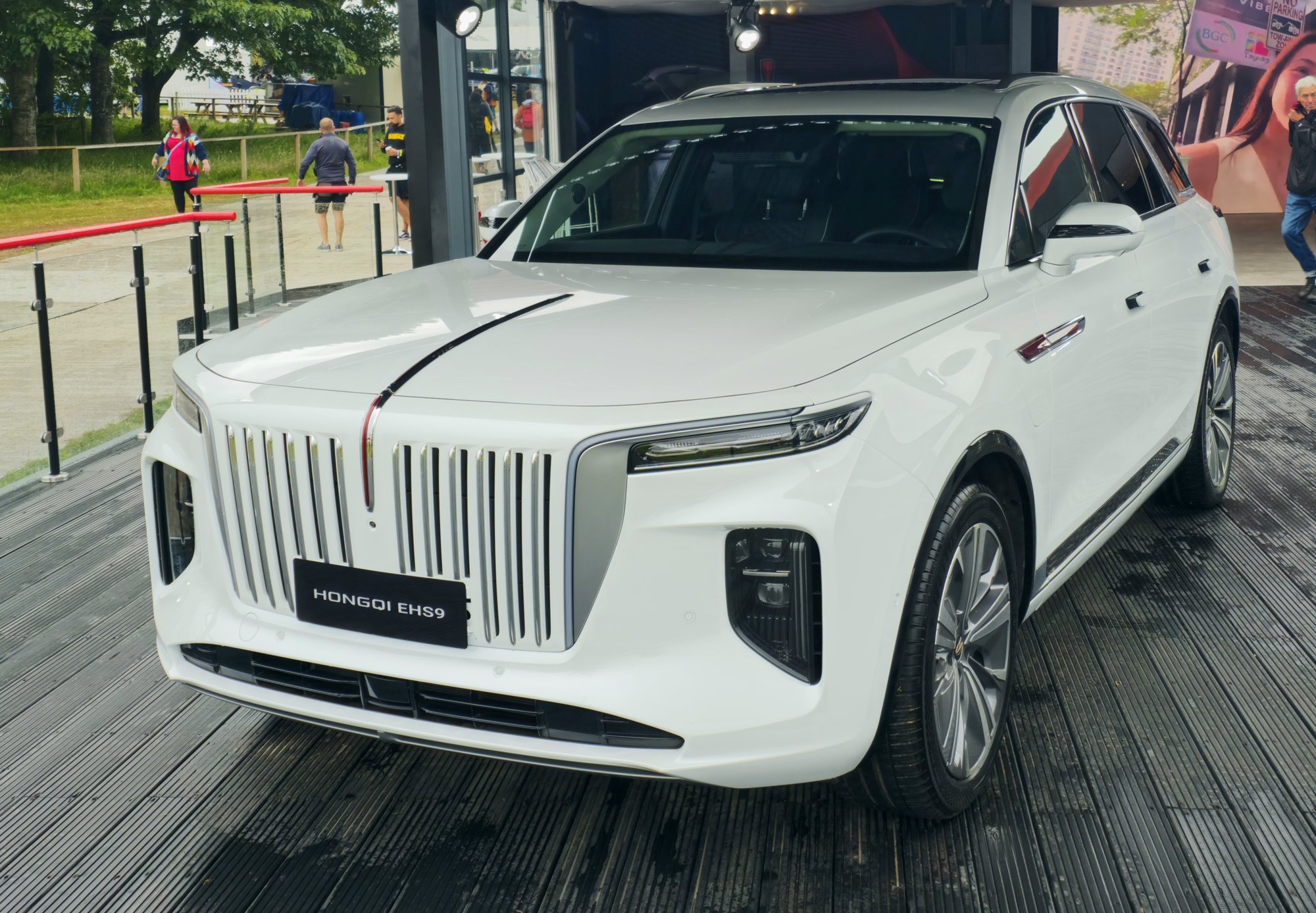
If you’ve ever stood next to a charger for 40 minutes wondering why your EV can’t just fill up like a petrol tank, this is the story you want to read. Hongqi, the luxury EV brand owned by China’s state-run FAW Group, has just run a battery test that puts the entire fast charging race into a new gear. Working with Lishen Battery and FAW’s own battery research arm, Hongqi took a battery from 10% state of charge to 70% in just 3 minutes and 41 seconds, and all the way to 97% in 8 minutes 3 seconds. That’s quicker than most people spend deciding what to order at a drive through.
How they did it
The headline number here is what engineers call the charging rate, measured in “C”. Think of 1C as a battery that takes roughly an hour to fill up fully. Hongqi’s test battery peaked at 12C, meaning it can, in theory, accept charge twelve times faster than that baseline. To survive that kind of power without cooking itself, the team redesigned the anode (the part of the battery that stores lithium while charging), paired it with a new electrolyte formula to help lithium ions move faster, and added a coating process that Hongqi says cuts internal resistance, the thing that generates heat, by around 15%. A liquid cooling system then kept temperature swings across the whole pack under 3 degrees Celsius during the test.
How that stacks up against the competition
BYD, the world’s biggest EV maker, currently holds the benchmark that everyone in China is chasing with its second-generation Blade Battery, which needs about 5 minutes for a 10-70% top up and roughly 9 minutes to hit 97%. On paper, Hongqi’s lab numbers beat that on both counts.
| Battery | 10% to 70% | 10% to 97% |
| Hongqi experimental (12C) | 3 min 41 sec | 8 min 3 sec |
| BYD Blade Battery (2nd-gen) | ~5 min | ~9 min |
That’s a genuinely big deal in a market where charging speed has become the number one bragging right for EV makers, since it’s the biggest reason people still hesitate to go electric.
The catch you shouldn’t skip
Here’s the part that matters more than the headline number. This was a one-off battery tested in a controlled lab at 25 degrees Celsius, not a car driving up to a public charger. Hongqi hasn’t revealed the battery’s actual capacity, its peak charging power in kilowatts, or even its exact chemistry. There’s no production vehicle timeline yet, and unlike BYD, which already runs thousands of chargers powerful enough to actually deliver on its claims in the real world, Hongqi hasn’t shown this battery charging in an actual car at an actual charging station.
The verdict: this is a genuine engineering breakthrough on paper, and a preview of where charging speeds are headed, but treat it as a lab result, not a showroom promise, until Hongqi puts it in a real car.
Why should you care in India, where you won’t see a Hongqi anytime soon? Because this is exactly the kind of research that eventually trickles down into the batteries and charging networks that global brands bring here. India’s own public fast chargers are still mostly stuck well below the power levels needed to use tech like this, so even if a battery this fast lands in a car sold here, the charger on your highway pit stop needs to catch up first. For now, file this under technology to watch, not technology to expect at your local charging point next year.


