


























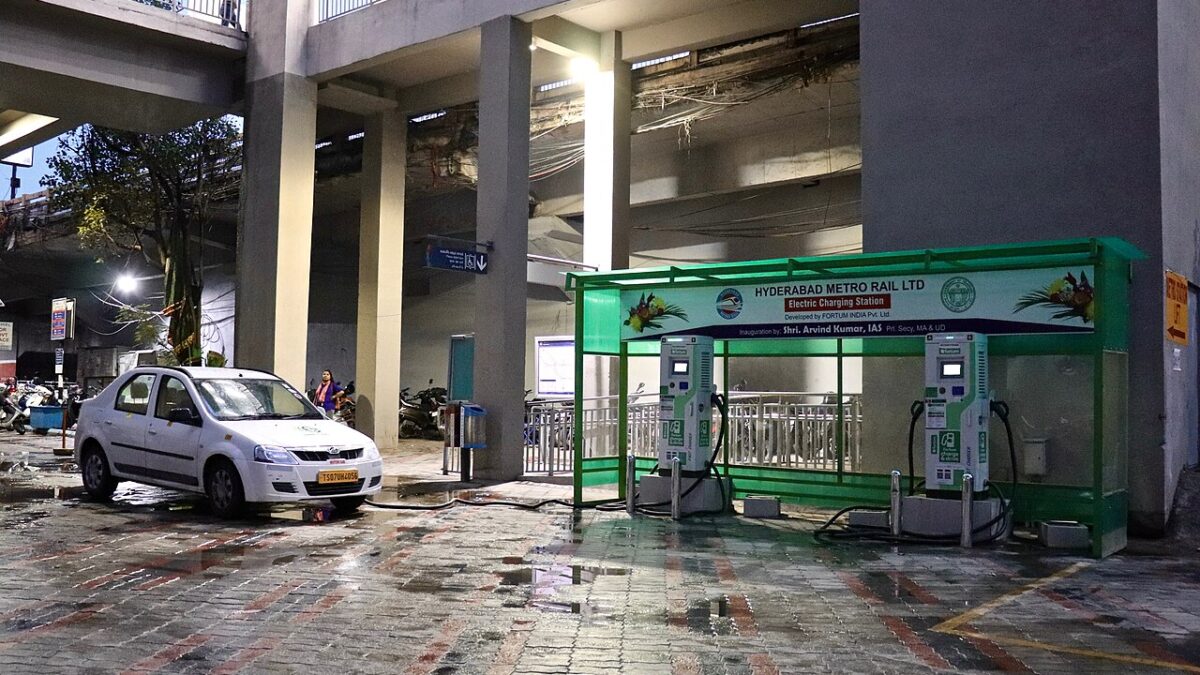
Here’s a number that should make any EV shopper feel good: India now has 67,657 public EV chargers, including 1,139 battery-swap points, as of August 7, 2026. Here’s the number that should make you pause before you count on the government to add more anytime soon: the flagship scheme meant to fund thousands of new chargers has switched on exactly zero of them so far. If you’re cross-shopping an electric car or scooter right now, both numbers matter to how you plan your charging.
The good news is real, and it’s not new money
The 67,657 figure comes straight from the Ministry of Heavy Industries, given in a written reply in Parliament. It covers everything already installed nationwide: government-backed FAME-II stations, state programmes, and the private charge point operators (Tata Power EZ Charge, Statiq, ChargeZone, and the rest) that have quietly built out most of what you actually see on the highway today. The older FAME-II scheme alone had installed 9,583 public chargers by July 1, 2026, which is the backbone this whole network still runs on.
Two policy moves back this up. GST on electric vehicles and on EV chargers has been cut to 5%, and the Ministry of Road Transport & Highways has confirmed that battery-powered vehicles get green number plates and skip the permit requirement altogether. Both make owning and running an EV, whether it’s a Tata Nexon EV or a Maruti e Vitara, cheaper than it looks on paper.

PM E-DRIVE: big budget, zero chargers live
Now the catch. PM E-DRIVE, the ₹10,900 crore scheme that replaced FAME-II from October 2024 through March 2028, has ₹2,000 crore of that budget earmarked purely for new public charging infrastructure. In a Lok Sabha reply, the government confirmed that 6,562 public chargers have been approved under the scheme, with Karnataka leading at 1,571. As of that same reply, dated August 4, 2026, not one of those approved chargers has actually been installed.
| Scheme | Chargers approved | Chargers installed |
| FAME-II (2019–2024, closed) | N/A | 9,583 (as of July 1, 2026) |
| PM E-DRIVE (2024–2028, active) | 6,562 | 0 (as of Aug 4, 2026) |
| National total, all sources | N/A | 67,657 (as of Aug 7, 2026) |
That’s not a small gap. It means every public charger you’ll actually plug into today was built under the old scheme, by a state government, or by a private operator, not by the programme currently sitting on a ₹2,000 crore allocation for exactly this job. PM E-DRIVE has done its job on the vehicle side, supporting the sale of 26.5 lakh EVs so far, mostly two-wheelers. The charging side just hasn’t caught up yet.
What this actually means if you’re buying an EV
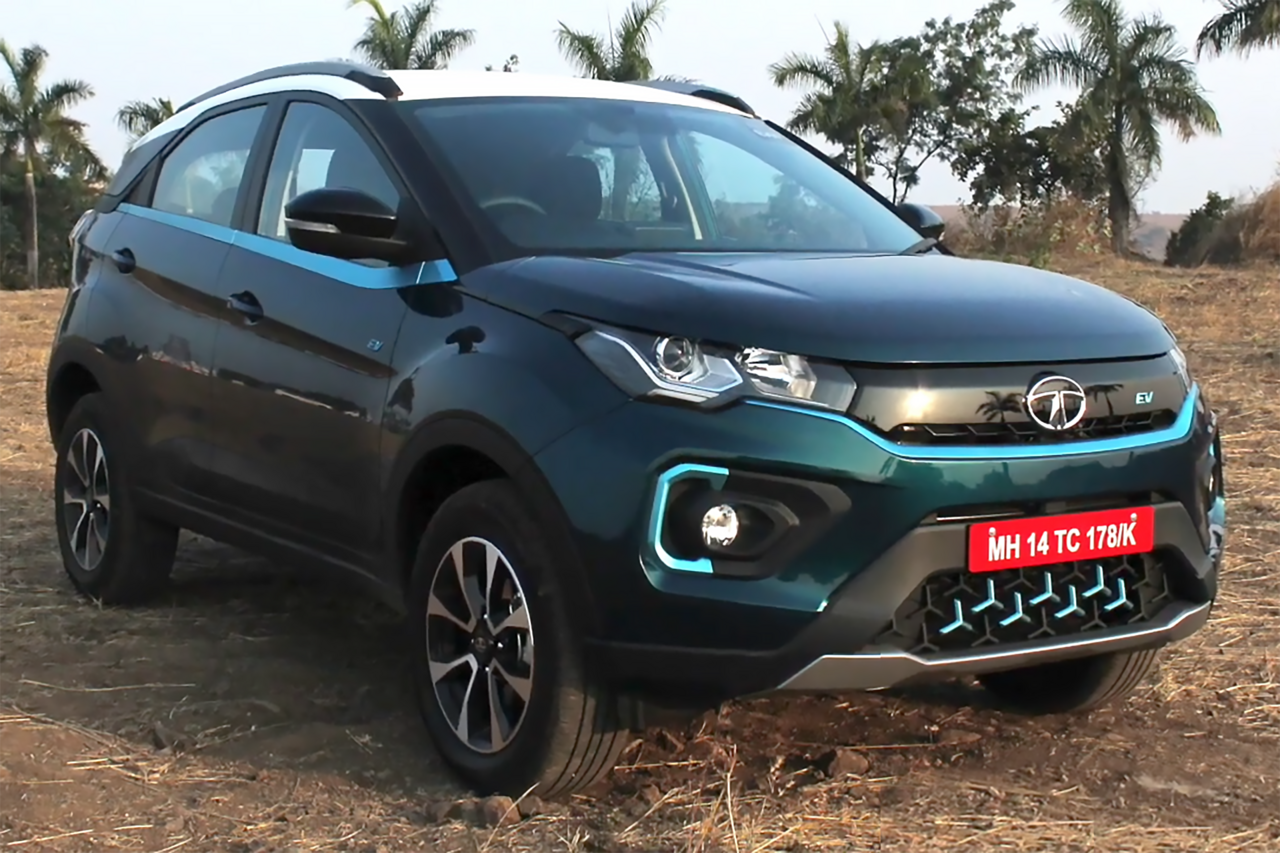
Don’t plan your purchase around chargers that don’t exist yet. If you’re looking at something like the Nexon EV, the e Vitara, or a Mahindra BE model, treat home or society charging as your daily plan and the existing 67,000-plus public network, mostly private operators and older FAME-II sites, as your highway backup. The approved-but-not-installed PM E-DRIVE stations might show up over the next year or two given the scheme runs to March 2028, but there’s no fixed rollout date attached to them yet, so don’t bank a road trip on a station that’s still a line item on a government spreadsheet.
The number that actually matters to your next road trip isn’t 6,562. It’s zero, and that’s the one worth remembering until the government proves otherwise.

For city driving, this changes nothing, your daily commute runs off a home or office socket regardless of what the government builds next. It’s the highway runs to Lonavala, Coorg, or Lansdowne this monsoon where the gap between “approved” and “installed” will actually bite. Plan those routes around chargers that exist today, not ones that are still waiting on a switch to be flipped.


