

































Mercedes-Benz just recalled more than 3.1 lakh cars in the US because a tiny corroded switch inside the driver’s door can quietly stop the parking brake from doing its job. The scary part: the car gives you no warning. If you’re shopping for a used C-Class, GLC, GLA, GLB, CLA or A-Class, this is worth five minutes of your time before you sign anything.
What Actually Went Wrong
Modern Mercedes models use an “Auto-Park” feature. The moment you open the driver’s door, the car assumes you’re getting out and automatically engages the electronic parking brake, the small button-operated brake that replaced the old handbrake lever. It relies on a microswitch built into the door lock to sense that the door has opened.
On the recalled cars, moisture has been getting into that switch housing over time. Once it corrodes, the car can no longer tell the door is open, so the parking brake never engages. Mercedes says it hasn’t confirmed any crashes or rollaway incidents yet, but the risk is exactly what it sounds like: an unattended car quietly rolling away on a slope.

Which Models Are Affected
According to the recall filed with US safety regulator NHTSA (campaign number 26V481000), the fault covers 310,667 vehicles built between 2019 and 2026. Here’s the model and year spread, confirmed consistently across multiple outlets including Forbes, Motor1 and Cars.com:
| A-Class | 2019 to 2022 |
| CLA | 2020 to 2021 |
| C-Class | 2022 to 2023 |
| CLE | 2024 |
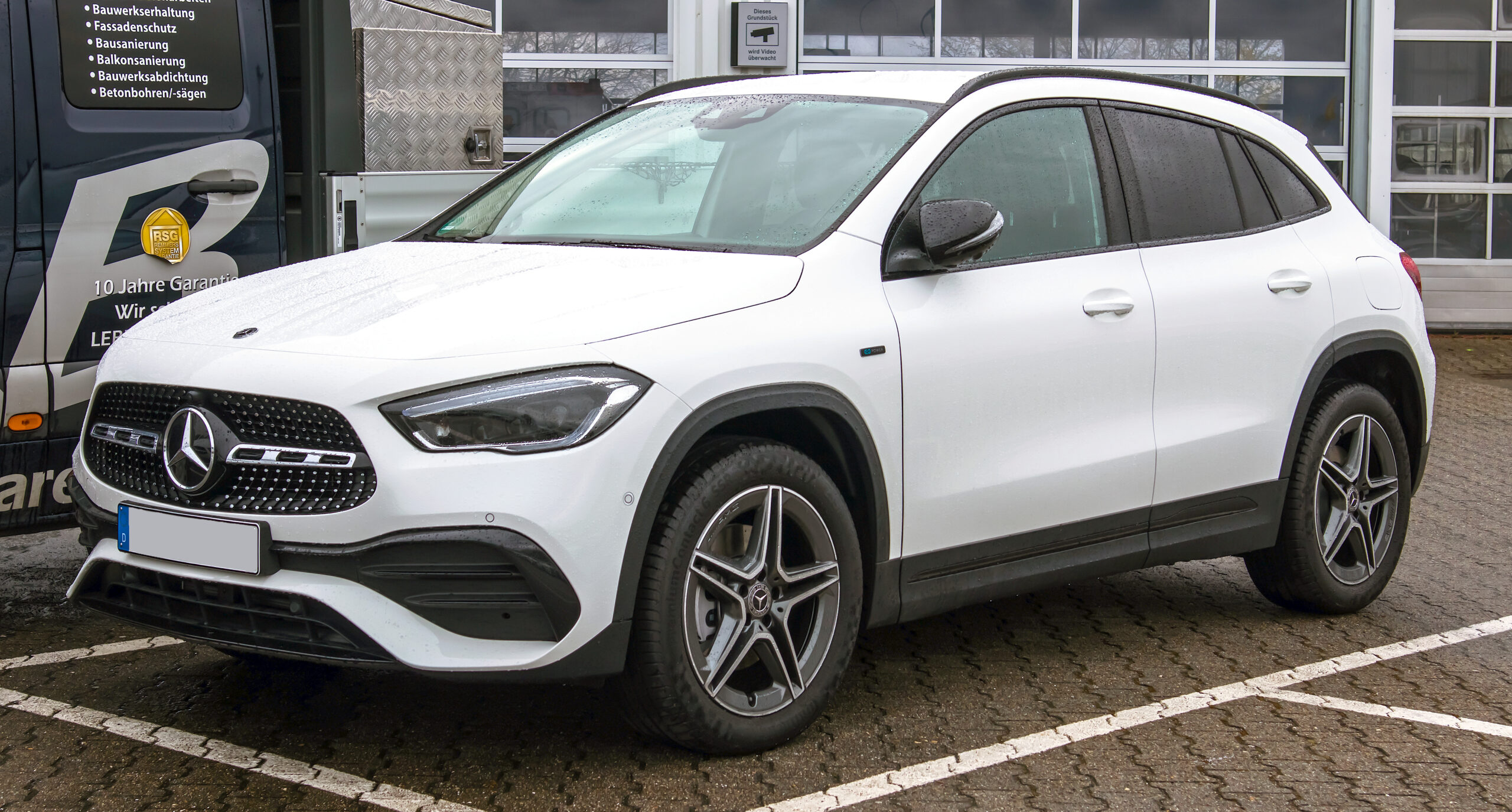
| GLA | 2020 to 2026 |
| GLB | 2020 to 2026 |
| GLC | 2023 to 2024 |
The fix itself is simple and free: dealers replace the driver’s door lock assembly. In the US, Mercedes is mailing owner notification letters starting September 18, 2026.
Does This Apply to Cars in India?
Here’s the honest answer: as of now, this is a US-market recall, filed with US regulators for cars sold there. Mercedes-Benz India has not announced a matching recall for locally sold C-Class, GLC, GLA, GLB or CLA models. That said, these are the same global model generations, built on shared platforms, and it’s common for a part-level fix like this to eventually get extended to other markets once the root cause is confirmed. It’s not confirmed that India-spec cars use the identical door lock component, so don’t panic, but it is worth being an informed buyer.
If you’re buying any of these models used, whether in India or anywhere else, ask the dealer directly whether a parking brake or door lock service action applies to that specific car, and get it in writing.
What to Actually Do About It
A few practical steps if you own or are about to buy one of these models:
During a test drive, open the driver’s door with the engine off and watch the dashboard for the parking brake symbol. It should light up on its own. If it doesn’t, or if you notice the auto-park feature is inconsistent, that’s a flag to raise with the service centre before you buy, not after.
Second, ask the seller or dealer for the car’s full service history and specifically whether any door lock or parking brake related bulletin has been actioned. A clean, documented service history is always worth more than a shiny listing photo.
This isn’t a reason to avoid these cars. It’s a reason to ask one extra question before you hand over the money, which is what a good buying guide is for.