






















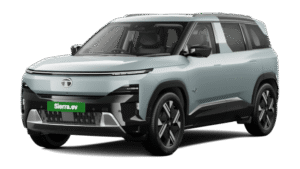


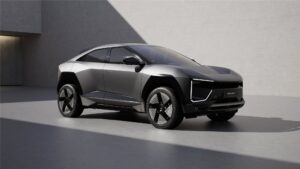




If you have ₹20 lakh to ₹25 lakh to spend on an electric SUV in 2026, two massive Indian launches dominate the conversation: the Tata Sierra EV and the Mahindra BE 6e.
Both start around the same price tag (₹18.79 lakh for the Sierra EV versus ₹18.90 lakh for the BE 6e ex-showroom), but they target completely different kinds of drivers. One is a boxy, nostalgic family cruiser built for practical comfort, while the other is a futuristic, rear-wheel-drive performance coupe designed to turn heads.
Let’s break down how they compare in the real world across space, range, speed, and overall value.
30-Second Verdict: Which One Wins?
Buy the Tata Sierra EV if: You want a spacious, comfortable family SUV with a massive 622-litre boot, upright seating for rear passengers, and the option for Quad-Wheel Drive (QWD) for winter or light off-road travel.
Buy the Mahindra BE 6e if: You want thrills behind the wheel, standout sci-fi looks, faster acceleration (0–100 km/h in 6.7 seconds), and ultra-fast highway charging in 20 minutes.
Direct Comparison: Key Specifications
| Feature | Tata Sierra EV | Mahindra BE 6e |
| Price Range (Ex-Showroom) | ₹18.79 Lakh – ₹26.49 Lakh | ₹18.90 Lakh – ₹28.49 Lakh |
| Battery Sizes | 63 kWh / 75 kWh | 59 kWh / 79 kWh |
| Power Output | 253 bhp (63 kWh) / 313 bhp (75 kWh) | 228 bhp (59 kWh) / 282 bhp (79 kWh) |
| Drive Layout | Rear-Wheel Drive (RWD) / QWD (AWD) | Rear-Wheel Drive (RWD) |
| 0–100 km/h Time | 5.8 Seconds (QWD Boost) | 6.7 Seconds (RWD) |
| Claimed Range (MIDC) | 535 km (63 kWh) / 665 km (75 kWh) | 557 km (59 kWh) / 683 km (79 kWh) |
| Real-World Expected Range | ~420 km / ~500 km | ~430 km / ~520 km |
| DC Fast Charge (20–80%) | ~25 minutes (120 kW) | ~20 minutes (140–175 kW) |
| Boot Capacity | 622 Litres + 55L Frunk | 455 Litres |
| Ground Clearance | 205 mm | 207 mm |
1. Design & Practicality: Space vs Style
This is the biggest dividing line between the two vehicles.
Tata Sierra EV (The Practical Choice)
- Rear Headroom & Glass: The upright boxy roofline and large glass windows make the cabin feel airy. Passengers in the back get generous headroom and legroom.
- Boot Space: At 622 litres, plus an additional 55-litre front trunk (frunk) under the hood, the Sierra EV holds nearly 200 litres more luggage than the Mahindra.
- Family Usability: Easier for elderly family members or tall adults to step in and out comfortably.
Mahindra BE 6e (The Style Icon)
- Coupe Silhouette: With its aggressive LED daytime running lights, flush door handles, and sloping rear glass, it draws attention wherever you park.
- Rear Seat Trade-off: The sloping roofline means rear headroom is slightly tighter for passengers over 6 feet tall, and smaller rear side windows create a cozier, darker cabin atmosphere.
2. Performance & Driving Feel: Comfort vs Thrills
How the Sierra EV Drives
The Sierra EV prioritizes smooth, effortless progress over aggressive speed. The suspension is tuned to glide over sharp potholes, speed breakers, and unpaved roads. If you pick the top-end Empowered A AWD trim, Tata’s Quad-Wheel Drive gives you extra traction on wet mountain roads, mud, or loose gravel.
How the BE 6e Drives
The BE 6e feels sportier. Its rear-wheel-drive layout and low center of gravity make it sharp around corners. Pushing the accelerator pedal delivers instant torque that pushes you back into your seat. It feels much more like a sports hatchback on stilts than a heavy SUV.
3. Battery Range & Real-World Highway Usability
Both manufacturers offer smaller entry-level battery packs (~60 kWh) and larger long-range battery packs (~75–79 kWh).
- City Range: Both vehicles easily deliver 400 km to 430 km on their smaller battery packs in daily city traffic.
- Highway Road Trips: Equipped with their larger battery packs, both deliver a dependable 500 km of real-world highway range at constant cruising speeds.
- Charging Advantage: The BE 6e supports slightly higher DC charging speeds (up to 175 kW), allowing you to top up from 20% to 80% in 20 minutes, compared to 25 minutes in the Sierra EV at a 120 kW station.
4. Interior Tech & Cockpit Layout
- Tata Sierra EV: Features an expansive dashboard with three screens on top trims (driver cluster, center touchscreen, plus a dedicated passenger screen). The vibe feels clean, calm, and lounge-like.
- Mahindra BE 6e: Features a cockpit wraparound bar that isolates the driver, twin 12.3-inch displays powered by a fast Snapdragon processor, and an illuminated steering wheel logo. It feels like pilot controls in an aircraft.
5. Final Recommendation: Which Should You Park in Your Garage?
Choose the Tata Sierra EV if:
- You regularly travel with a full family of 4 or 5 people.
- You need maximum boot space for long luggage-heavy road trips.
- You prefer an easy-riding suspension that absorbs bad road patches without shaking the cabin.
Choose the Mahindra BE 6e if:
- You drive yourself most of the time and want an exciting, fast EV.
- You love head-turning design and high-tech cabin displays.
- You want slightly faster 20-minute highway fast-charging capabilities.
Frequently Asked Questions (FAQs)
Which SUV has a bigger battery, Sierra EV or BE 6e?
The Mahindra BE 6e offers a slightly larger top-spec battery at 79 kWh compared to the 75 kWh battery in the Tata Sierra EV.
Is the Tata Sierra EV better for bad roads than the Mahindra BE 6e?
Both SUVs offer over 200 mm of ground clearance to clear high speed breakers. However, the Tata Sierra EV has a softer suspension setup that soaks up deep potholes more comfortably for rear passengers.
Does the Mahindra BE 6e have All-Wheel Drive (AWD)?
No, the Mahindra BE 6e comes exclusively in a Rear-Wheel Drive (RWD) configuration. If you need All-Wheel Drive, the top-spec Tata Sierra EV Empowered A offers a Quad-Wheel Drive (QWD) dual-motor option.

