






















Tesla started charging real fares for rides in its steering-wheel-free Cybercab on September 3, 2026, in Austin, Texas. By the end of the same business day, the National Highway Traffic Safety Administration (NHTSA), the US government body that decides whether a car is legal to sell and drive, had opened a formal investigation into whether Tesla even had the right to put the car on the road in the first place. Tesla’s stock dropped 6.5 percent the next morning while the rest of the market barely moved.
This matters even if you will never sit in a Cybercab, because it is the first real test of a question every self-driving car company will eventually face: can a manufacturer decide, on its own, that the safety rulebook written for cars with steering wheels simply does not apply to a car that has none?

What actually happened
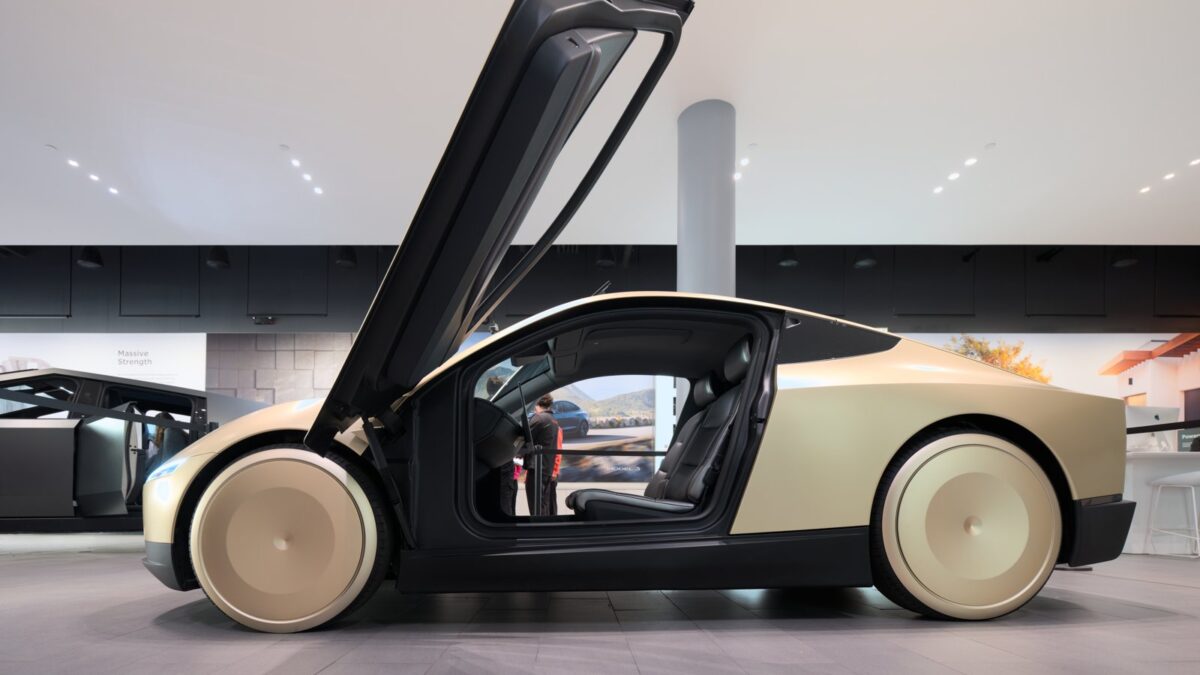
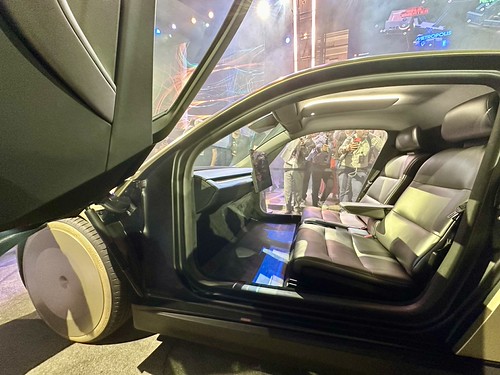
The Cybercab is a two-seat electric robotaxi with no steering wheel, no pedals, no mirrors and no way for a human to take over. It runs entirely on Tesla’s Full Self-Driving (FSD) software. Tesla began commercial rides in Austin on September 3, starting with a small, controlled rollout, roughly 45 Cybercabs were registered in Texas as of the next morning, out of the up to 5,000 the company has said it eventually wants to run in the city.
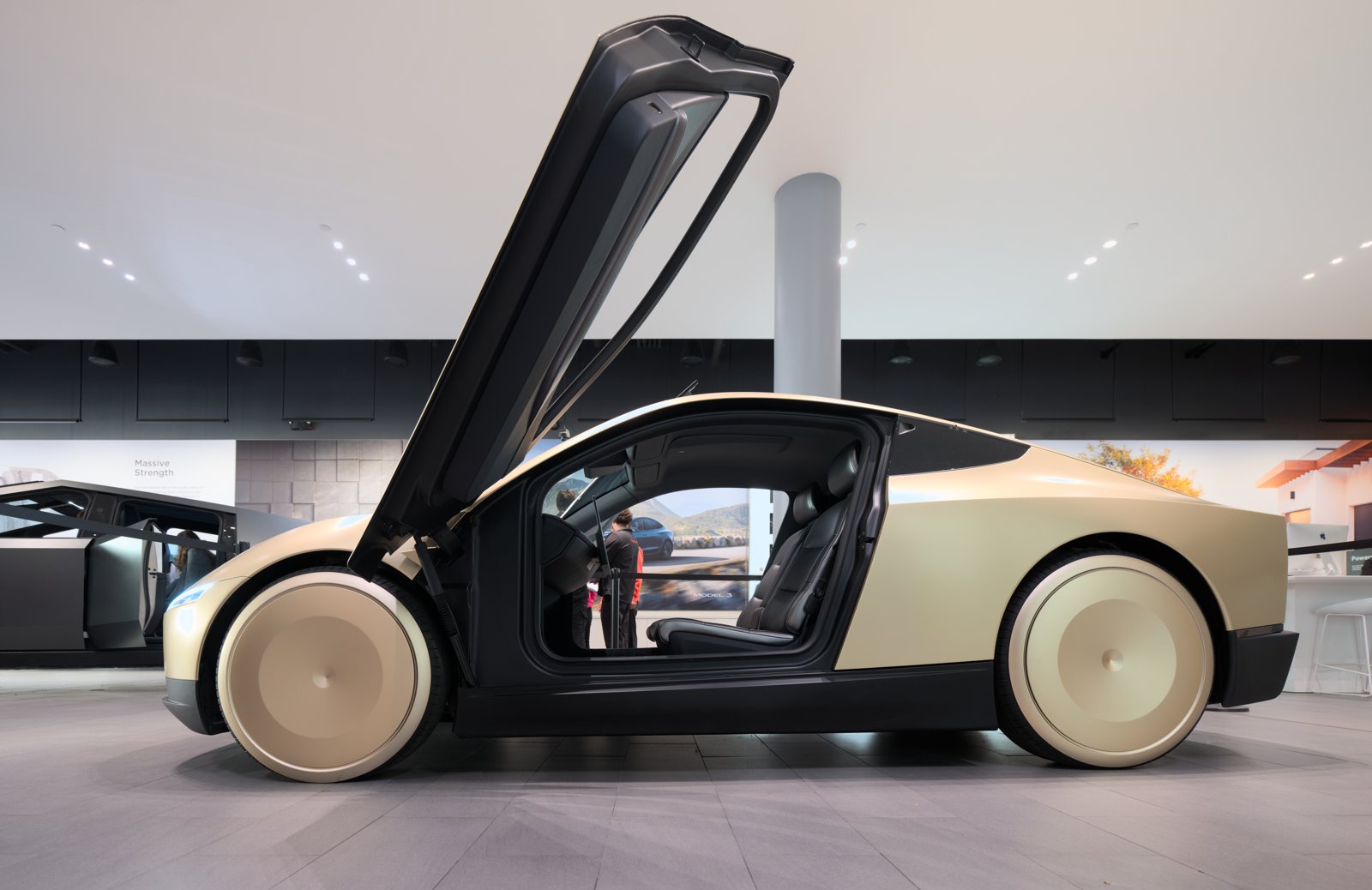
Tesla itself notified NHTSA that it had self-certified the Cybercab as meeting every applicable Federal Motor Vehicle Safety Standard (FMVSS), the US rulebook that normally requires things like a steering wheel, brake pedal and mirrors. Tesla’s argument, in effect, is that those specific rules do not apply to a car that was never designed to have a human driver at all.
NHTSA was not convinced enough to wait. The same day the Cybercab started charging fares, the agency’s Office of Defects Investigation opened Audit Query AQ26002, a formal review covering up to 1,000 Tesla vehicles. An audit query is not a recall and it is not an accusation that Tesla broke the law, it is the agency going through Tesla’s own paperwork and test data to check whether the self-certification actually holds up. NHTSA’s administrator put it plainly: “NHTSA fully supports the safe development and deployment of automated vehicles. But as the federal regulator, we need to ensure that all of our laws are followed.”
Why this is different from every robotaxi story before it
Tesla is not the first company to put a robotaxi with no manual controls on American roads. Amazon-owned Zoox got there first, and the contrast is the real story here. Zoox spent years going through NHTSA’s formal exemption process for its own steering-wheel-less robotaxi, and only started charging real fares in Las Vegas after receiving explicit federal approval in July 2026. Tesla skipped that step. It self-certified its own compliance and launched anyway, betting that its own reading of the rules would hold up to scrutiny after the fact rather than before it.
That is a materially bigger regulatory bet than it sounds. Self-certification is normal for ordinary cars, an automaker builds a sedan with a steering wheel and pedals, checks it against the rulebook written for exactly that kind of car, and signs off. The Cybercab does not fit that rulebook at all, which is why Zoox asked for permission first. Tesla deciding the rules simply do not apply to it, without asking, is the part regulators are now poking at.
| Company | Regulatory path | Launch city | Fleet size |
| Zoox (Amazon) | Formal NHTSA exemption, approved July 2026 | Las Vegas | Ramping gradually |
| Tesla | Self-certified compliance, no exemption sought | Austin | ~45 at launch, up to 5,000 planned |
The timing also puts the Cybercab under a brighter spotlight than it might otherwise get. NHTSA is already running two other live investigations into Tesla: a much larger probe into Full Self-Driving software across 3.2 million vehicles over visibility-related crashes, and a separate look into a July 2026 crash involving a Tesla robotaxi under remote operator control. AQ26002 does not accuse Tesla of anything new, but it lands on a regulator that is already watching the company closely.
What happens next
An audit query gives NHTSA the power to demand Tesla’s engineering data, testing records and the internal reasoning behind its self-certification. There is no fixed deadline in what has been made public so far, and outcomes from here range widely: NHTSA could accept Tesla’s certification as valid and close the file, it could force Tesla to add hardware or software changes, or in a worst case it could challenge Tesla’s right to operate the Cybercab commercially at all until it goes through the same exemption process Zoox did. None of those outcomes are likely to land quickly. Regulatory reviews like this typically run for months, not weeks.
For Tesla, the bigger risk is not this one audit, it is precedent. If NHTSA decides self-certification does not hold up for a car with zero manual controls, every other company building a similar vehicle, and Tesla itself as it tries to scale the Cybercab fleet toward that 5,000-unit ceiling, will need to go through the same slower, formal approval process Zoox already completed. That would hand Zoox a real head start in the one part of the robotaxi race that cannot be sped up with more factories or more software updates: getting the government to actually sign off.
The Cybercab did not fail a safety test. It skipped the line, and the government just called it back to check its ticket.
There is no India dimension to this one. The Cybercab is not sold, tested or planned for Indian roads, and Tesla has not linked any part of this launch to its India plans. Worth knowing anyway: this is the fight that will decide how fast steering-wheel-free robotaxis show up anywhere, including here eventually, because every regulator watching this case, India’s included, will be taking notes on how the US handles a company that asked forgiveness instead of permission.


