






















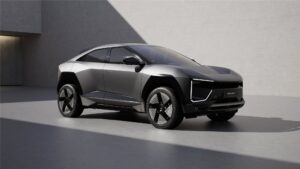



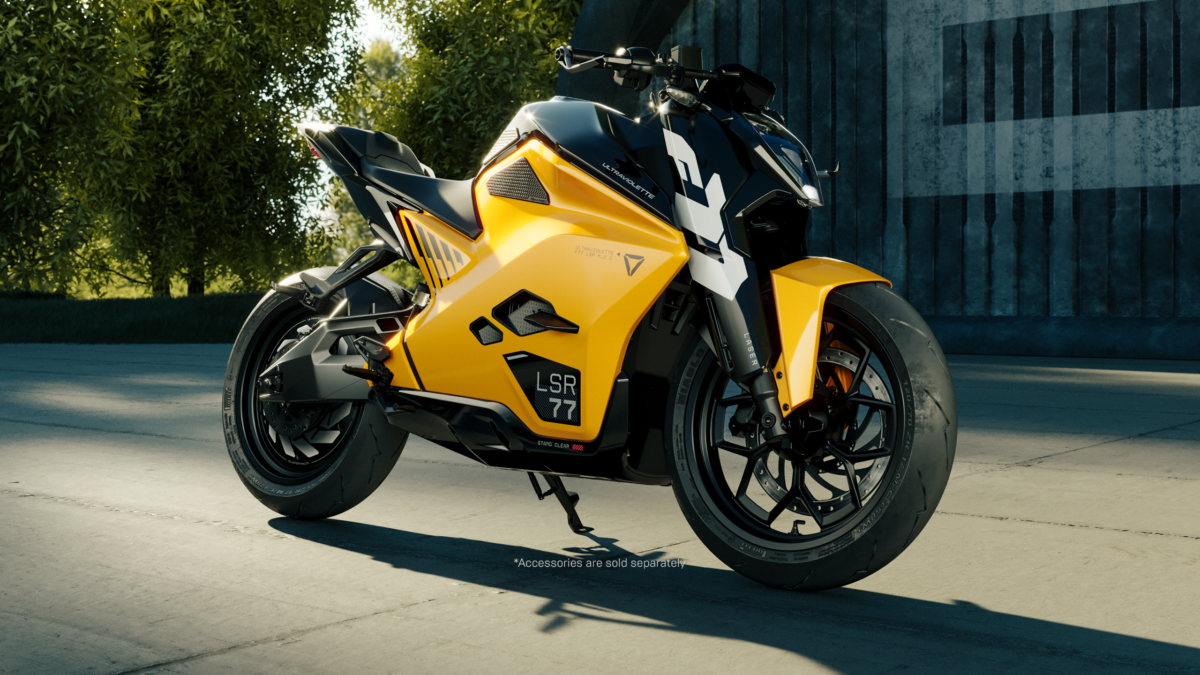
Ultraviolette has pushed both the Shockwave motorcycle and the Tesseract scooter to Q1 2027, the Tesseract’s third delay since its March 2025 unveiling, and neither has a confirmed India price today. The reason is a new 100V electrical platform the Bengaluru EV maker says is worth the wait. Here is what actually changes, and what to buy instead if you are done waiting.
On September 29, 2026, Ultraviolette confirmed that neither of its two unreleased electric two-wheelers will reach Indian customers this year. The Shockwave, an off-road capable adventure motorcycle, and the Tesseract, a scooter with over 70,000 reservations against it, are both moving to a new 100V electrical architecture, and both now carry a January-to-March 2027 launch window.
What Got Delayed, and Since When
This is not a first slip. Both were unveiled together at Ultraviolette’s Fast Forward India event in March 2025. The Tesseract has now been pushed back three times; the Shockwave twice.
| Model | Unveiled | Original Promise | Revised Once To | Now Targeting |
| Ultraviolette Tesseract (scooter) | March 2025 | 2026 deliveries | Mid-2026, then later 2026 | January 2027 (third delay) |
| Ultraviolette Shockwave (adventure motorcycle) | March 2025 | Q1 2026 deliveries | July 2026 | Q1 2027 (second delay) |

What Is 100V Architecture, and Does It Justify Another Wait?
Most Indian electric two-wheelers run their motor and battery electronics at roughly 48 to 60 volts. Ultraviolette is moving the Tesseract and Shockwave to a 100-volt system instead, the first in an Indian electric scooter according to the company. In plain terms: a higher voltage needs less current to deliver the same power, so the motor controller, wiring and charger can shrink while running cooler. Ultraviolette claims three times the power headroom, twice the charging speed, and better sustained performance on a long climb or overtake.
None of that is independently verified, because neither vehicle has shipped to a customer yet. These are the company’s own engineering claims, not road-test figures. On the Tesseract, Ultraviolette says the redesign also fixed a floorboard early testers flagged as impractical, and reworked the motor controller and thermal management to hit its promised 15 kW (20.1 bhp) peak reliably on the road, not just on a bench.
Three Delays on One Product Is a Pattern, Not Bad Luck
A single delay is normal for a new vehicle platform; even established manufacturers slip by months. Three delays on the same scooter, with over 70,000 reservations unfulfilled since March 2025, is a different thing. Existing bookings keep their original price, but a buyer who paid a token amount in 2025 has now sat through three revised dates with no firm one beyond a quarter. Treat “Q1 2027” as a direction, not a deadline, going by this company’s own record.
| Claim | Status |
| Tesseract: 15 kW motor, up to 261 km claimed range, 125 km/h top speed | Company-claimed, pre-production; no independent test exists yet |
| Shockwave: off-road capability, 120 km/h claimed top speed | Company-claimed, pre-production; no independent test exists yet |
| F77 Mach 2 Recon: 323 km claimed (IDC) range | Shipping today; no independent real-world range test has been published yet |
If You Want an Ultraviolette Today, Buy This Instead
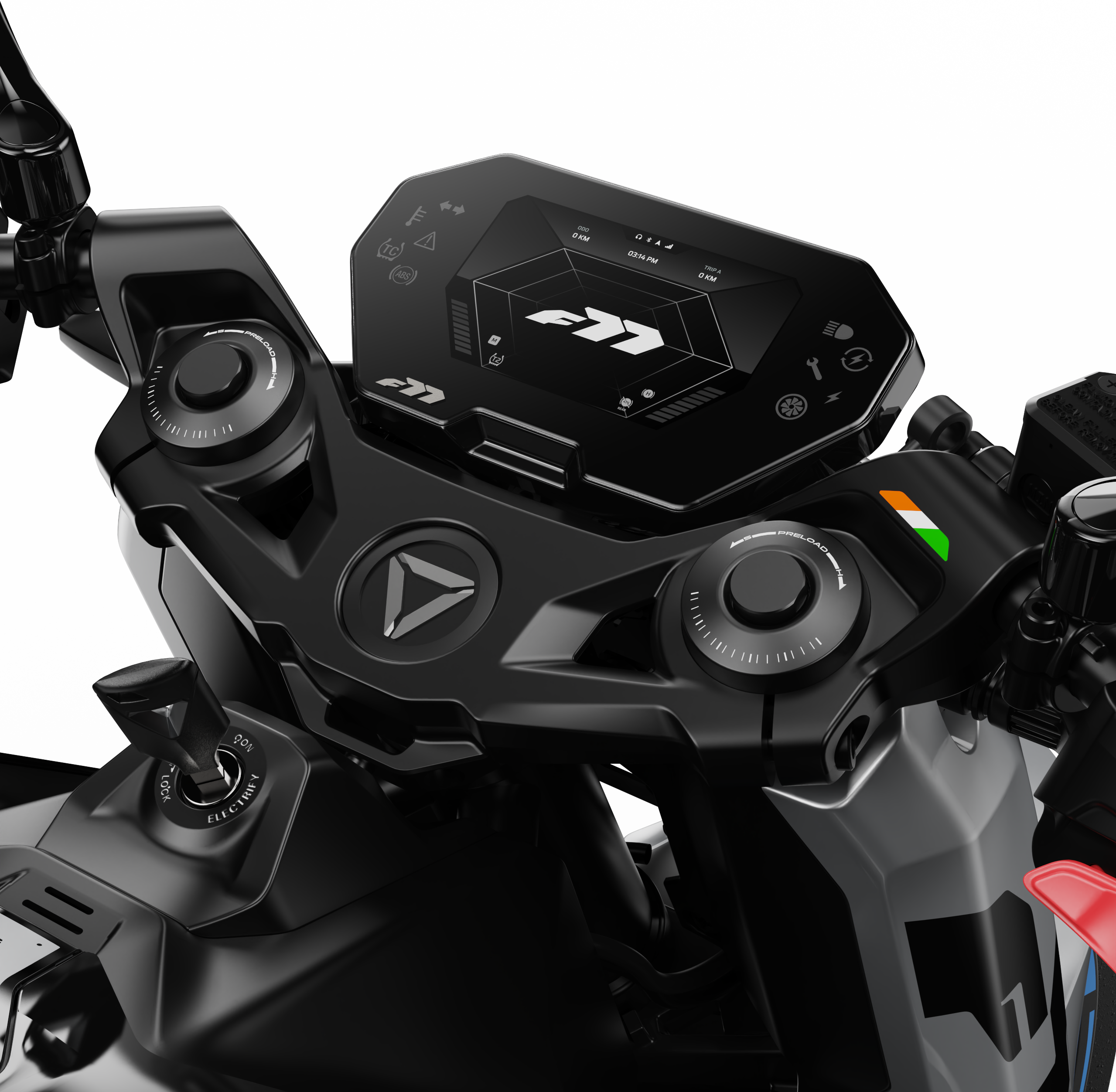
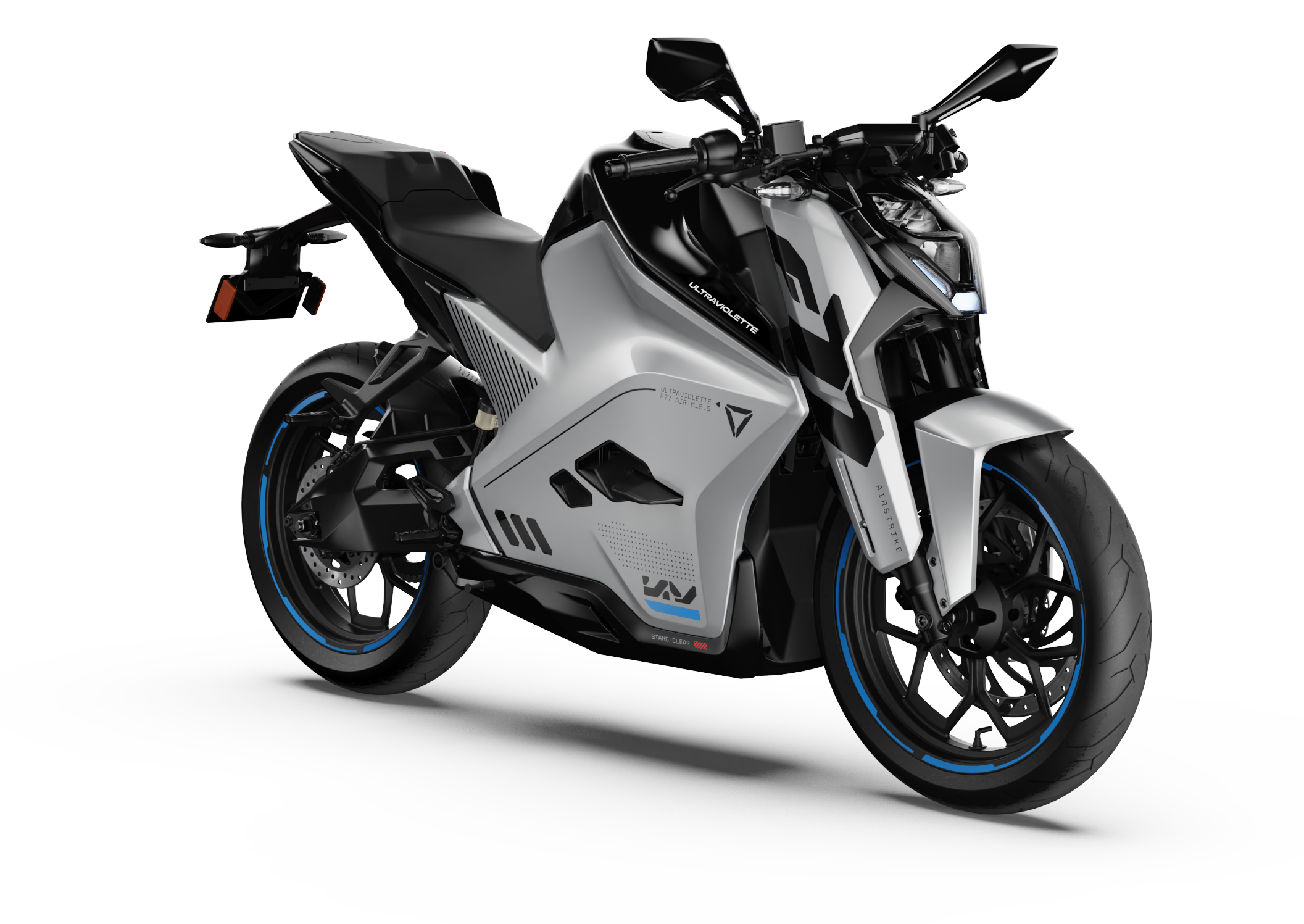
Everything else Ultraviolette sells is unaffected by this delay and already on sale. The F77 Mach 2 is the brand’s quickest product, and the X-47 is its more affordable crossover motorcycle.
| Model | Price (ex-showroom) | Claimed Range | Notes |
| X-47 (base) | ₹2.49 lakh | 211 km | Cheapest way into the brand; Battery Flex plan drops this to ₹1.49 lakh plus ₹2,499/month |
| X-47 Desert Wing | ₹4.59 lakh | 323 km | Adds radar-based rider aids and touring kit most commuters won’t use daily |
| F77 Mach 2 Original | ₹3.09 lakh | 211 km | Best-value pick: 0-60 km/h in 2.9s, dual-channel ABS, hill hold as standard |
| F77 Mach 2 Recon | ₹4.24 lakh | 323 km | Adds 4-level traction control and 10-level regen for ₹1.15 lakh more |
For most riders, the F77 Mach 2 Original at ₹3.09 lakh is the one to buy: it already has the dual-channel Bosch ABS and hill-hold that matter in daily traffic, and the Recon’s extra range suits a weekend canyon run more than a city commute. Nothing here replaces the Tesseract’s scooter practicality and low entry price, so if that is what you booked it for, an Ather 450X vs Ola S1 Pro comparison is a fairer place to look while you wait, since both ship today with years of delivery history behind them.
How Ultraviolette Actually Stacks Up in India’s EV Motorcycle Market
Context matters here. Ultraviolette posted its best month yet in July 2026, 694 units retailed per Vahan data reported by Autocar Pro, up 406% year-on-year, taking its January-to-July total to roughly 3,200 units. That is real momentum, but it still trails India’s electric motorcycle volume leaders: Revolt Motors at roughly 6,876 units and Oben Electric at roughly 3,347 over the same stretch. Ultraviolette is the premium, lower-volume player chasing enthusiasts, exactly the buyer most likely to have booked a Tesseract and now be waiting a third time.
The 100V architecture may well make the Tesseract and Shockwave better machines in 2027 than they would have been in 2026. It does not change the fact that this is the third broken date on the same scooter, and anyone still holding a 2025 reservation deserves to weigh that track record before waiting again.
When will the Ultraviolette Tesseract actually launch in India?
Ultraviolette is now targeting January 2027, its third revised date since the scooter was unveiled in March 2025. Given that history, treat this as a quarter-wide target rather than a fixed date until the company confirms a firm on-sale date closer to launch.
Will my Tesseract booking price change because of the delay?
No. Ultraviolette has said existing reservations keep the pricing that applied when they were booked. The delay affects the delivery date, not what you pay.
What does 100V architecture actually mean for an electric scooter?
It is the voltage the motor, battery and electronics run at. A higher voltage needs less current for the same power, letting the motor controller and charger shrink while delivering more power and faster charging, Ultraviolette says. These are the company’s claims; no independent test exists yet since neither vehicle has shipped.


