


























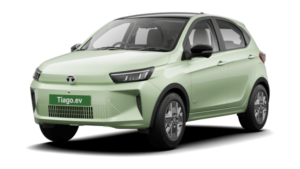





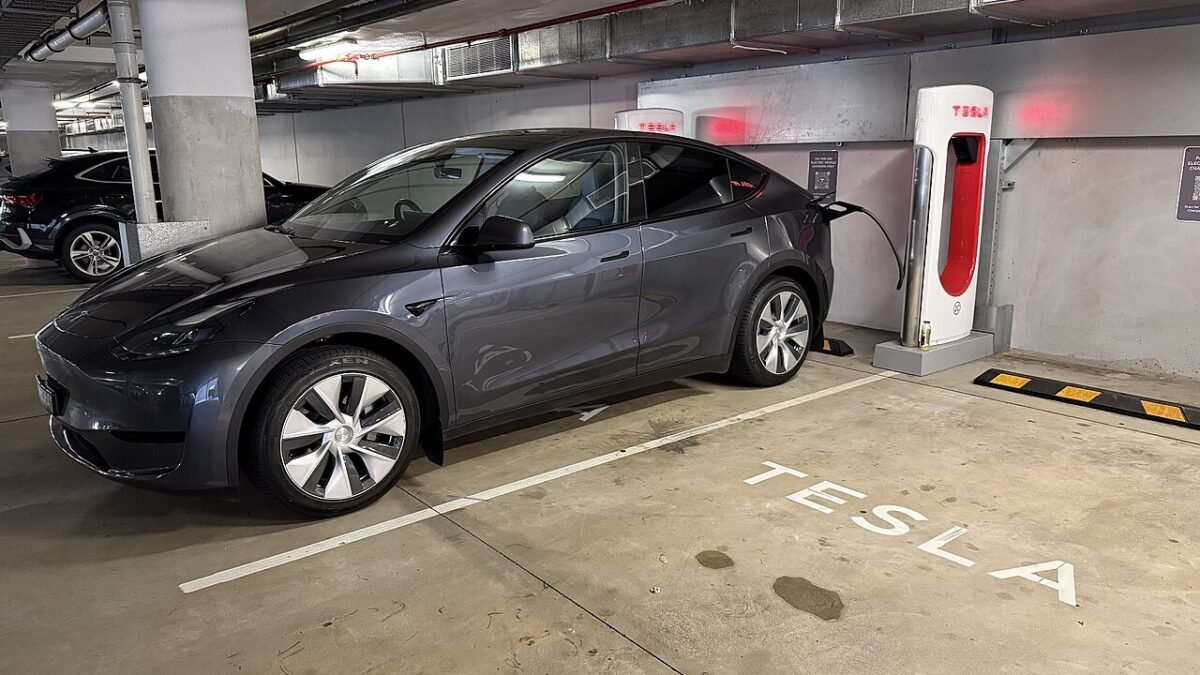
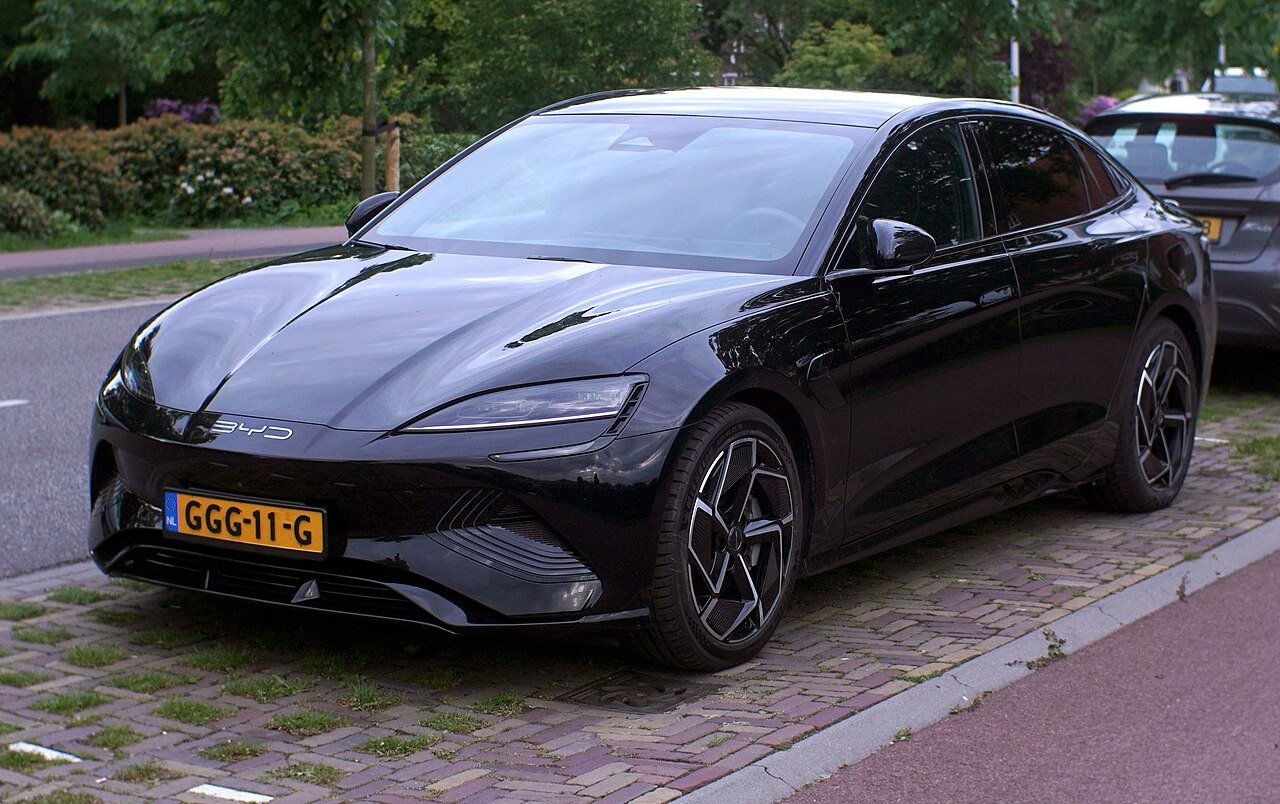
Tesla delivered 486,532 cars worldwide in the third quarter of 2026. On the same day, BYD reported selling 762,478 battery-electric vehicles, pure EVs only, no hybrids counted. That is a gap of 275,946 cars in BYD’s favour, and it is nearly four times wider than it was just three months ago. If you have been wondering who is actually winning the global EV race, the numbers that landed on October 2 answer it more clearly than anything else this year.
Both companies release this data every quarter, and normally it is a spreadsheet story. This quarter it is not, because the gap did not just grow, it blew open. In Q2 2026, BYD was ahead of Tesla by about 76,964 units, a 16 percent lead. In Q3, that lead jumped to 56.7 percent. A trend became a trend line, and the direction only points one way.
The numbers, side by side
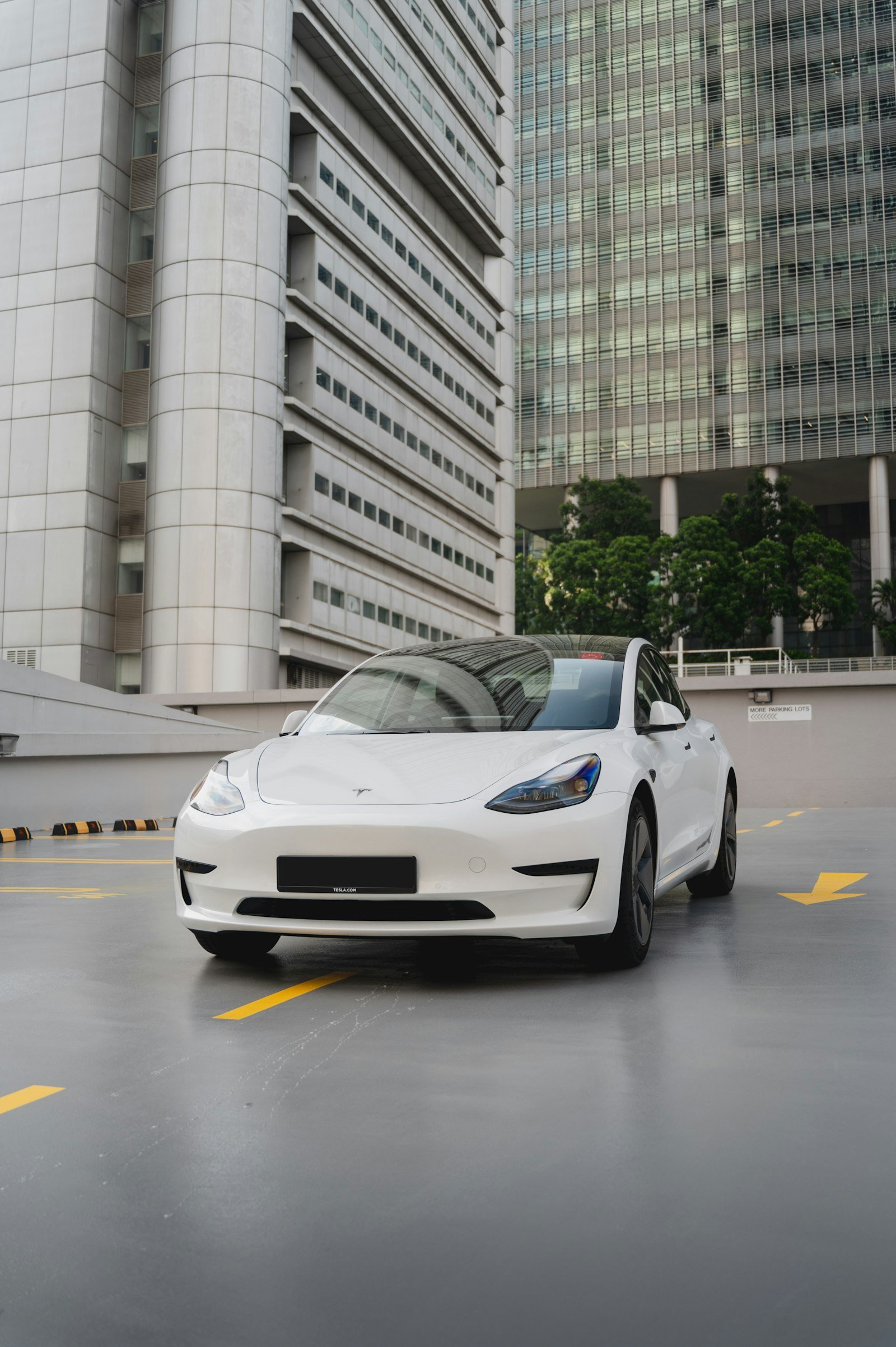
Tesla’s 486,532 deliveries were actually a beat against Wall Street, which expected around 461,974 cars. But measured against Tesla’s own history, it is a 2.1 percent drop from the 497,099 cars it delivered in the same quarter last year. The company produced 464,391 vehicles and delivered more than it built, which means it sold off stock sitting in inventory rather than building fresh demand.
| Metric | Tesla Q3 2026 | BYD Q3 2026 (BEV only) |
| Units | 486,532 delivered | 762,478 sold |
| Year-on-year change | Down 2.1% | Up 30.9% |
| Quarter-on-quarter change | Roughly flat | Up 36.9% |
| Nine-month 2026 total | 1,324,681 (up 8.8%) | 1,629,957 (up 1.5%) |
Look closely at that last row and the story gets more interesting. Tesla is actually growing faster than BYD on a nine-month basis, 8.8 percent against 1.5 percent. BYD’s lead is not built on blistering growth all year, it is built on one enormous quarter. Something specific happened between July and September, and it happened mostly outside China.
Why Tesla slipped
Tesla’s dip is largely a comparison problem. The US federal EV tax credit expired at the end of September 2025, and buyers who wanted the discount rushed to take delivery before the deadline, which inflated Tesla’s Q3 2025 number artificially. A year later, that incentive is gone and so is the rush, so this quarter looks weak next to an unusually strong one. Tesla’s underlying demand in its two biggest markets, the US and China, also cooled through the quarter, and the Model 3/Y duo still does almost all the heavy lifting: 478,237 of the 486,532 deliveries, with Cybertruck, Semi and the ageing S/X lineup making up the rest.
Why BYD surged
Earlier in 2026, Beijing cracked down hard on China’s EV price wars, pushing automakers toward what regulators called “value-based competition” instead of endless discounting. That briefly hurt BYD, which had built its dominance partly on aggressive pricing, and Tesla actually edged back ahead in China for a stretch around Q1. BYD’s answer was to stop fighting that battle at home and take the fight abroad instead. The company now runs its own fleet of car-carrier ships with a combined capacity of over a million vehicles a year, and its EVs are landing in ports from Santander in Spain to Santos in Brazil in real volume. Management had already said it was targeting 1.5 million overseas sales for the year, and Q3’s 37 percent quarter-on-quarter jump suggests that bet is paying off faster than expected.
The headline number is BYD selling more EVs than Tesla. The real story is BYD proving it can win outside China too, not just at home where it has the regulator’s attention and a home-turf cost advantage.
What this means next
For the industry, this is the clearest evidence yet that the center of gravity in EVs has shifted. BYD closed 2025 as the world’s largest seller of battery-electric cars, and nine months into 2026 its BEV total of 1,629,957 units is still comfortably ahead of Tesla’s 1,324,681. Every legacy automaker watching this fight, from Volkswagen to Hyundai, now has to plan around a market where the fastest-growing competitor is not Tesla anymore, it is a Chinese company that can build, ship and undercut at a scale nobody else has matched.
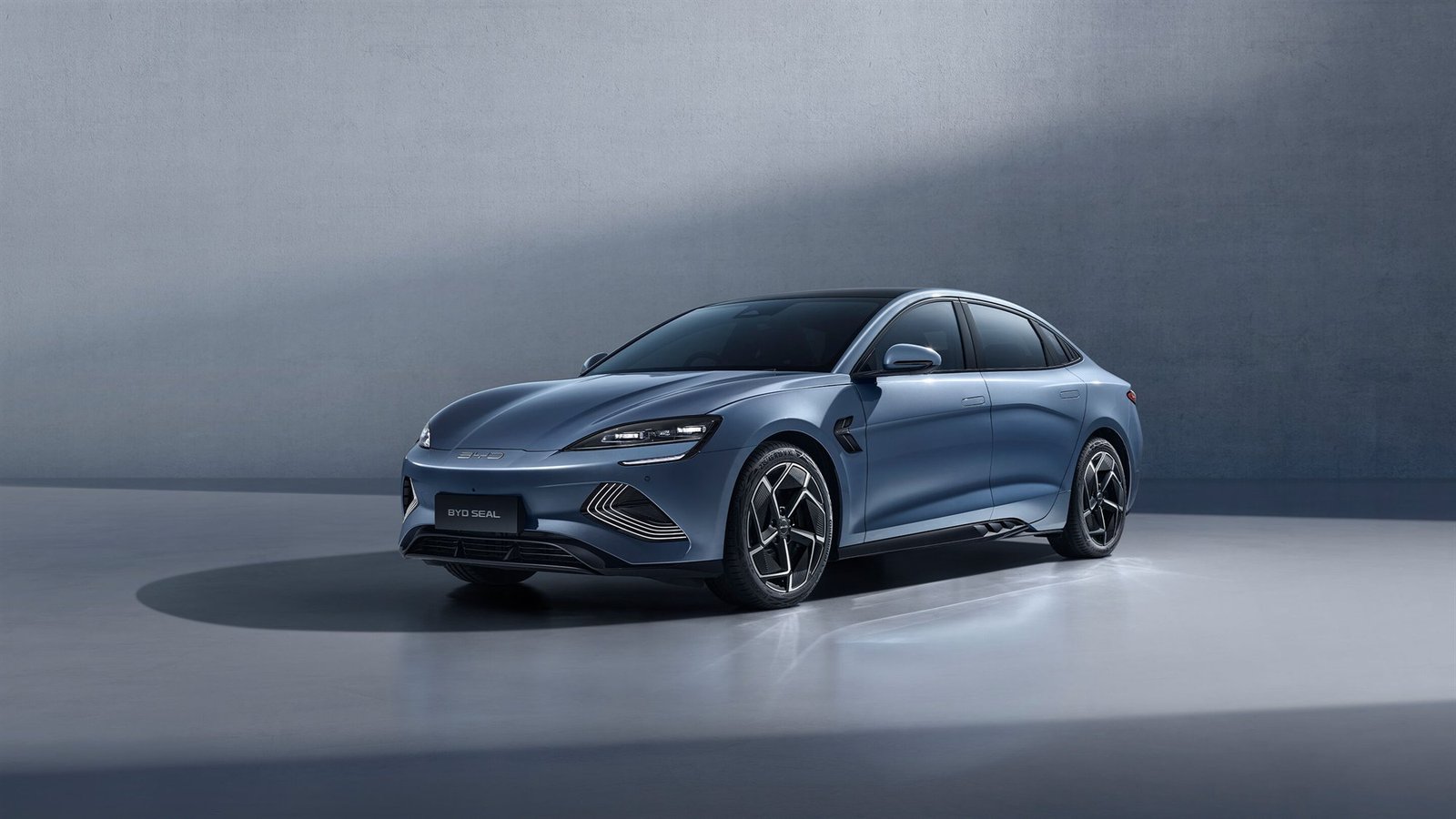
For buyers, more competition usually means more choice and sharper pricing eventually, though that takes time to reach every market. Both companies already sell in India, where the numbers are tiny next to their global totals but the products are real: Tesla’s Model Y starts at ₹50.89 lakh here, while BYD’s Seal undercuts it at ₹41.50 lakh onward, alongside the Atto 3 and Sealion 7. Neither brand sells in volume in India yet, held back by import duties and a thin charging network, so this quarter’s numbers will not move Indian showroom prices tomorrow. But the global scale BYD is now proving it can hit is exactly what will eventually let it undercut Tesla here too, the same way it already has almost everywhere else. Anyone shopping the broader electric car segment in India is watching the same company reshape the rules that will eventually reach this market.
Tesla is not disappearing. It still beat Wall Street’s estimates this quarter, and its own nine-month growth rate is healthier than BYD’s. But the company that used to set the pace for the entire EV industry is now the one playing catch-up on raw volume, and the gap it is chasing just got a lot bigger.