






































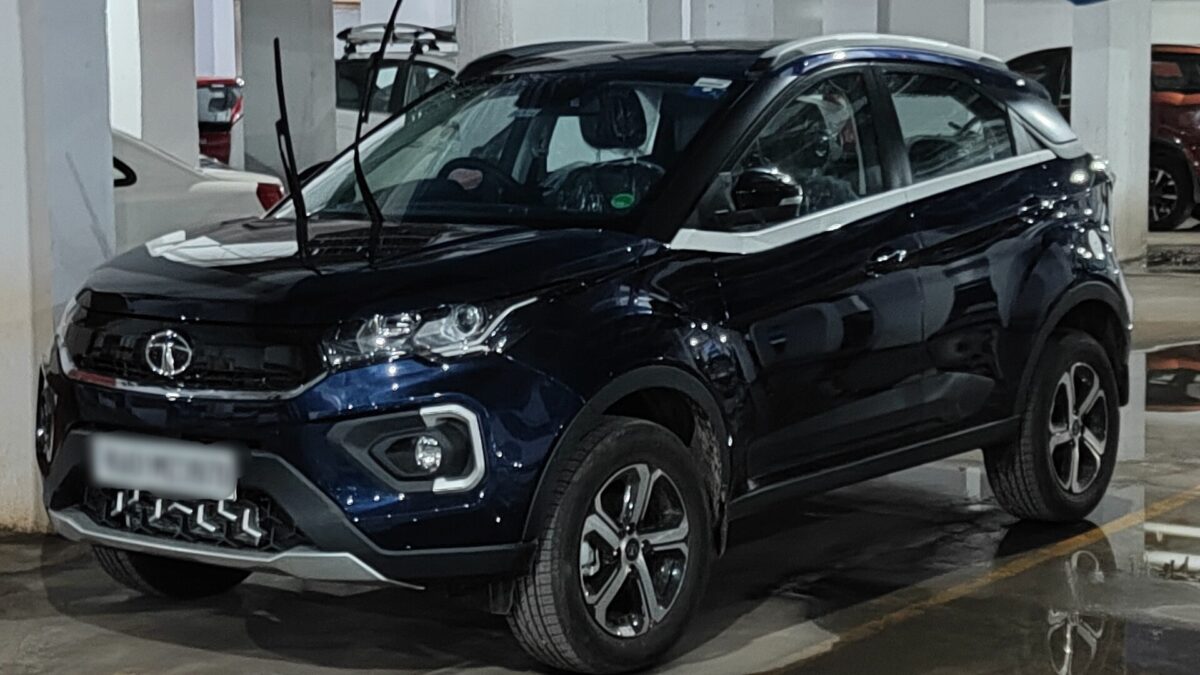
India’s passenger vehicle dealers are already sitting on 43 to 45 days of unsold stock, more than double the 21-day level the Federation of Automobile Dealers Associations (FADA) considers healthy, with Dhanteras still four weeks away. That overstock is the real answer to the question every festive buyer is Googling right now: book now for an auspicious Dhanteras delivery, or hold out for a bigger discount. FADA’s own president has already said, on the record, where the real cash cut shows up, and it isn’t during the festival.
Dhanteras falls on November 6 this year, two days before Diwali on November 8. Between now and then, showrooms will see their busiest footfall of the year, and that is exactly why Dhanteras is the worst week to expect a straight price cut.
What FADA’s Own September Numbers Show
FADA’s September 2026 retail release, the most recent one out, recorded the best September ever for passenger vehicle retail: 4,27,213 units, up 32.10% year on year. But growth and stock built up together. Inventory has been climbing for three straight months, and it is still climbing into the festive season, not clearing out of it.
| Month (2026) | PV dealer inventory | Vs FADA’s 21-day norm |
| July | 33-35 days | +12-14 days |
| August | 38-40 days | +17-19 days |
| September | 43-45 days | +22-24 days |
FADA also said 60% of its passenger vehicle dealers reported higher stock than the month before, heading into Navratri, Dussehra, Dhanteras and Diwali. That is not a sign dealers are desperate for your business this week. It is a sign they are counting on this week to bail them out, and cultural demand for an auspicious delivery date gives them the pricing power to do it on their terms.
“The only red flag is that it cannot go beyond the festivity,” FADA president Sai Giridhar said of the inventory build-up, adding that he expects stock to fall back to a more normal 27-30 days once the festive season ends.
Why Dhanteras Itself Gives the Dealer the Upper Hand
If the auspicious date matters to your family, that is a real reason to buy this week. But go in knowing what you are trading. Dealers facing guaranteed festival footfall have less reason to cut the sticker price and more reason to bundle in accessory kits, free insurance add-ons and subsidised financing, because those cost the dealer less than matching a cash discount does. None of that lowers the on-road price; it just adds stuff you may not have asked for.
Ask for the straight cash discount and the accessory or financing bundle as two separate line items before you sign anything. If a dealer won’t break out the cash number on its own, that is itself useful information about how firm their position is.
What a Festive Favourite Actually Costs Right Now
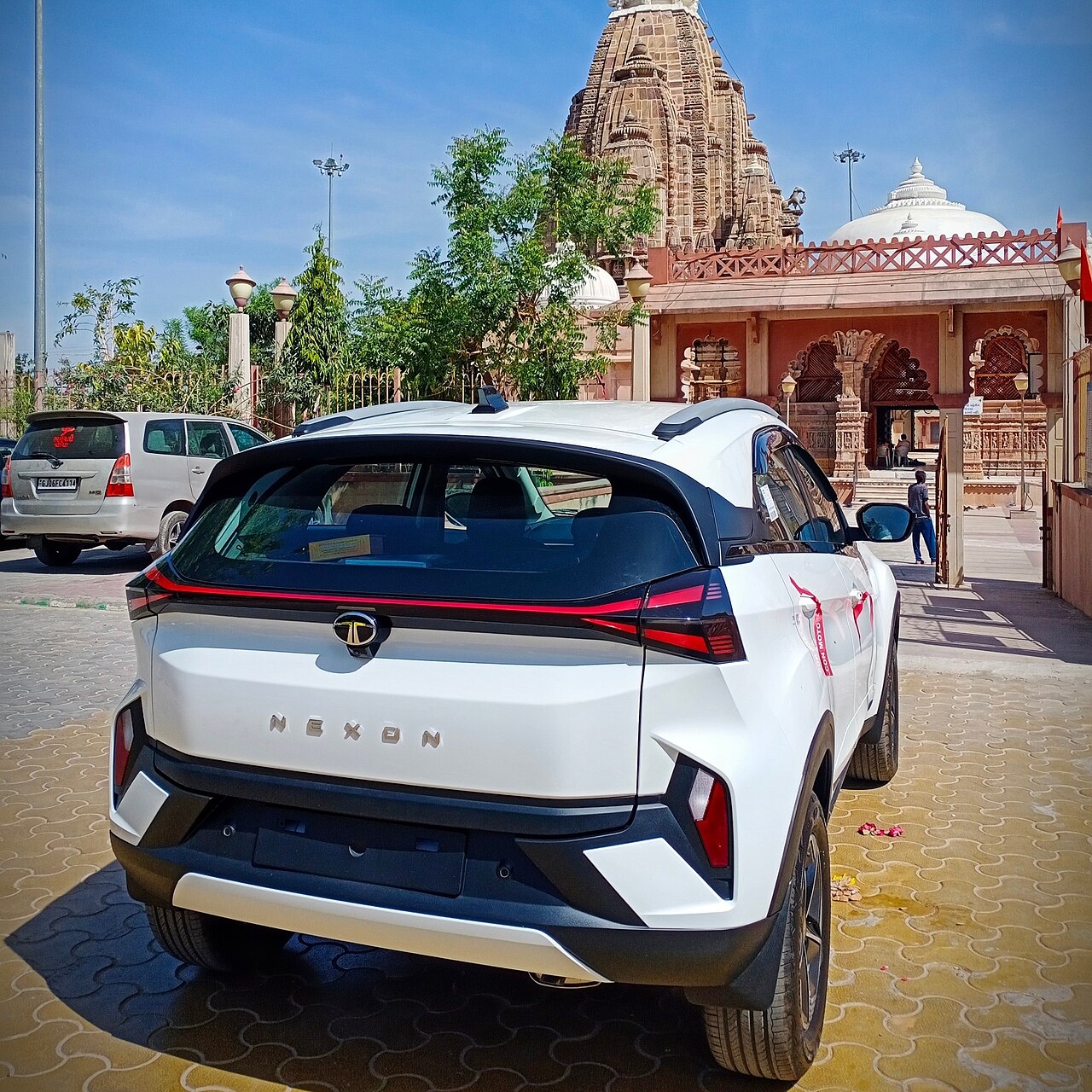
Take the Tata Nexon, one of the models that moves heaviest in this window. On The Spec’s on-road price page for Mumbai, the base Smart Petrol MT comes to about ₹8.62 lakh on the road, and a 20%-down, 5-year loan at 9.5% works out to roughly ₹14,489 a month. That on-road number moves by city: the same variant comes to about ₹8.33 lakh on the road in Delhi and ₹8.86 lakh in Bengaluru, a ₹53,000 gap driven mostly by each state’s road tax, not the car itself.
| Nexon variant (Mumbai) | On-road price | Ex-showroom |
| Smart Petrol MT (base) | ₹8.62 Lakh | ₹7.4 Lakh |
| Smart+ Petrol MT | ₹9.56 Lakh | ₹8.22 Lakh |
| Smart+ Petrol AMT (cheapest automatic) | ₹10.37 Lakh | ₹8.92 Lakh |
| Smart+ Diesel MT | ₹10.95 Lakh | ₹9.27 Lakh |
The diesel costs about ₹1.39 lakh more than the equivalent Smart+ Petrol MT at the same trim, and the cheapest automatic adds about ₹81,000 over the equivalent manual. These are The Spec’s own estimated on-road figures, not a dealer quote, so treat them as a starting point to negotiate from rather than the final number. If you are cross-shopping, the Nexon vs Punch comparison is worth a look before you commit to either, and if your budget caps out around this price band, The Spec’s list of every car under ₹10 lakh is a useful shortlist to work from.
So, Buy Now or Wait?
If the auspicious date is non-negotiable, buy this week, but negotiate the cash discount and the bundle as two separate items and get quotes from at least two dealers in writing. If you can wait three to four weeks, FADA’s own data points toward the better cash deal landing after Diwali, once dealers race to work inventory back from 43-45 days toward the association’s 27-30 day comfort zone, and again in the last week of any month when they are chasing targets. No 2026 figure yet confirms how much deeper that post-Diwali discount runs, so treat “bigger” as directionally true until the November numbers are out.

Is Dhanteras a good day to buy a car in India?
Culturally, yes, and many buyers specifically want delivery that week. Financially, it is one of the weaker weeks of the year to negotiate a straight cash discount, because dealers get guaranteed footfall from buyers who need that date regardless of price.
Will car prices actually drop after Diwali 2026?
FADA’s own president has said dealer stock, already 43-45 days deep against a 21-day norm, needs to fall back to 27-30 days once the festive season ends, and that clearing it will likely mean more offers to buyers. No 2026 figure yet confirms by how much, but the direction favours patient buyers.
Does GST 2.0 affect festive car discounts this year?
Yes, indirectly. GST 2.0’s lower rates on smaller cars already cut the effective tax rate well before any festive discount is applied, so any Dhanteras or Diwali offer this year sits on a lower base price than it would have in 2025.


