




























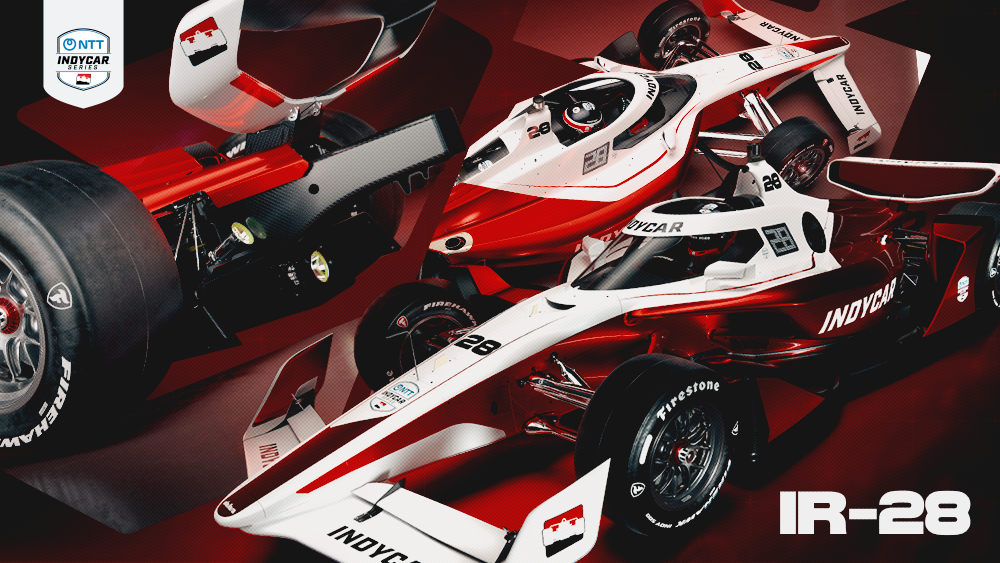
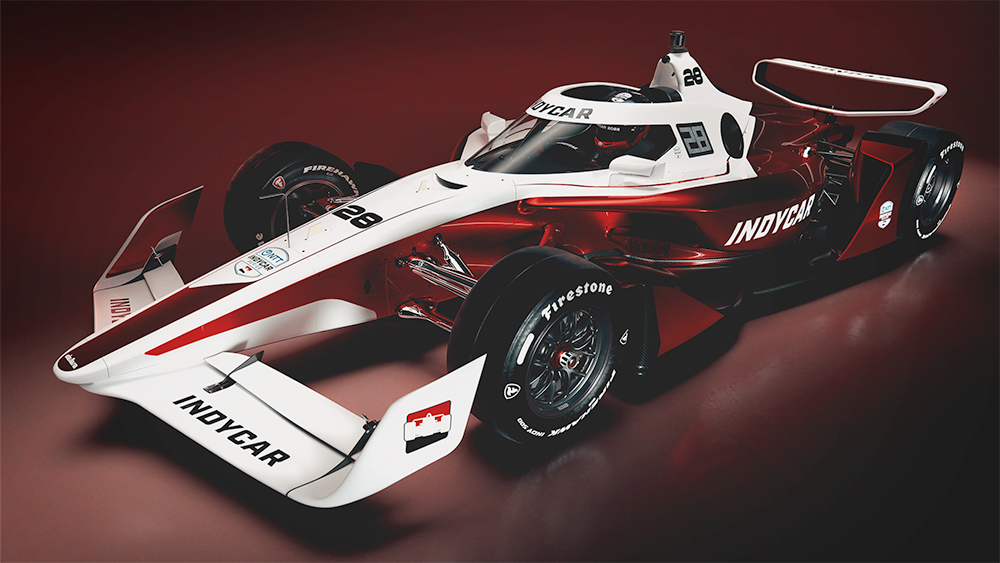
INDYCAR just showed off its first clean-sheet race car in 14 years, and it’s not a small refresh. The IR-28 is lighter, carries a new hybrid battery system, and is built to let cars actually race wheel to wheel again instead of getting stuck in each other’s dirty air. If you care about where high-performance hybrid tech eventually lands on the road, and not just in Formula 1 or WEC, this is worth your attention.
A Chassis Overhaul 14 Years in the Making
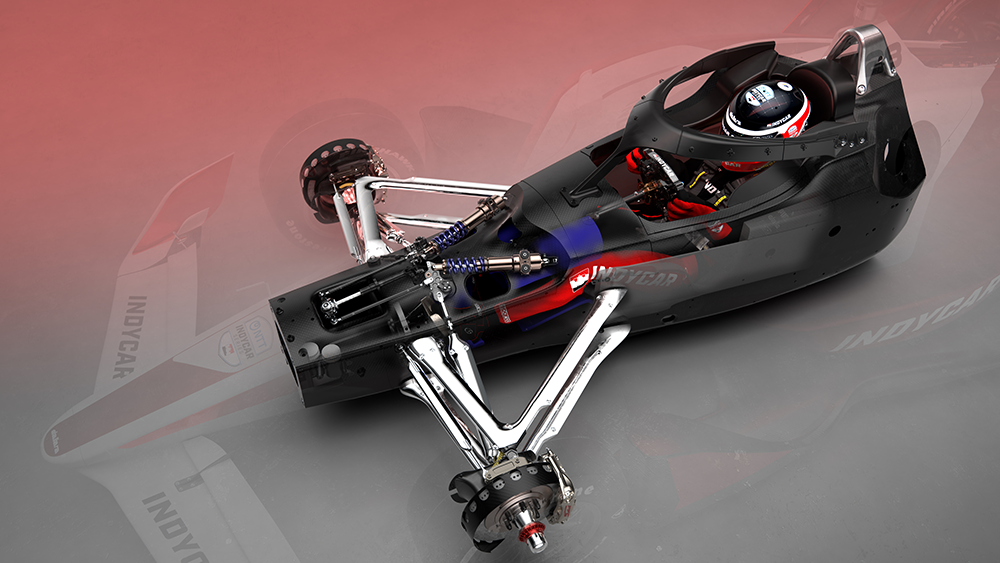
The current INDYCAR chassis, known as the DW12, has raced since 2012. The IR-28, built again with longtime partner Dallara, is around 100 pounds (about 45 kg) lighter than that car. The gearbox alone drops 25 pounds and the hybrid unit drops 20 pounds. There’s also a redesigned aeroscreen, the curved windshield-like shield that protects a driver’s head from flying debris, which INDYCAR says is now lighter and blends into the bodywork instead of sitting on top of it like an add-on.
The cockpit itself is wider too, built to fit a broader range of driver sizes, and the steering wheel now houses controls that used to sit near the driver’s arms and legs, reducing the chance of an injury in a crash.
The Hybrid System Gets a Real Upgrade
Here’s the genuinely new part: INDYCAR is moving to a battery-based Energy Storage System (ESS), essentially a proper battery pack instead of the supercapacitor setup the cars have used since hybrid power arrived in 2024. INDYCAR says the new pack holds 14 times more energy than the outgoing supercapacitor, which means drivers get far more flexibility in when and how they deploy the extra power during a race, similar in spirit to how an F1 driver manages battery deployment lap by lap.
Powering the car is a 2.4-litre twin-turbo V6 (up slightly from 2.2 litres) built by both Chevrolet and Honda, INDYCAR’s two engine suppliers, making up to 760 horsepower. Combined with the weight loss, that should mean quicker lap times without making the cars any less safe.
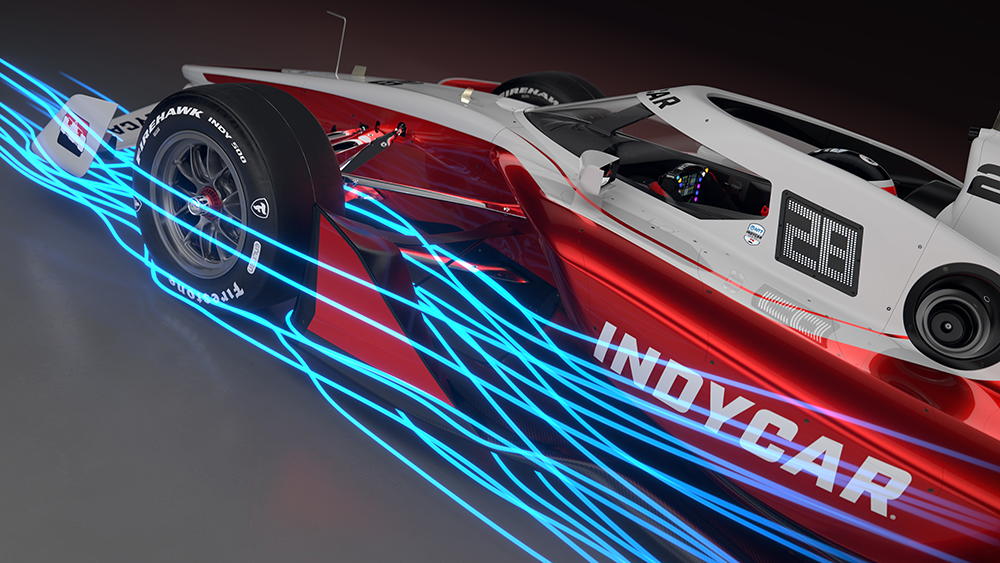
“This new car is going to provide our fans with enhanced wheel-to-wheel competition, faster speeds and new benchmarks in safety,” said INDYCAR president Doug Boles, crediting the close work between Dallara, Chevrolet, Honda, tyre partner Firestone and fuel partner Shell.
When You’ll Actually See It Race
Validation testing began on 28 July 2026 at the Indianapolis Motor Speedway road course, with Chevrolet and Honda each fielding a car for INDYCAR to gather setup data with current drivers and engineers. Full production is scheduled to start in early 2027 at Dallara’s factory in Varano, Italy, with teams getting their first cars that spring. Race one for the IR-28 is the 2028 INDYCAR season.
IndyCar doesn’t get the airtime here that F1 or MotoGP does, but it’s worth tracking anyway. Every major series right now, from Formula 1 to WEC to IndyCar, is quietly running its own version of this same experiment: how much hybrid battery power can you cram into a race car without making it heavier or less safe. The answers these series land on tend to show up in road-going hybrids a few years later.


