



























After a rebrand that nearly halved its sales, Jaguar’s first production EV is finally real: three motors, an 850-volt platform and a 720km range claim.
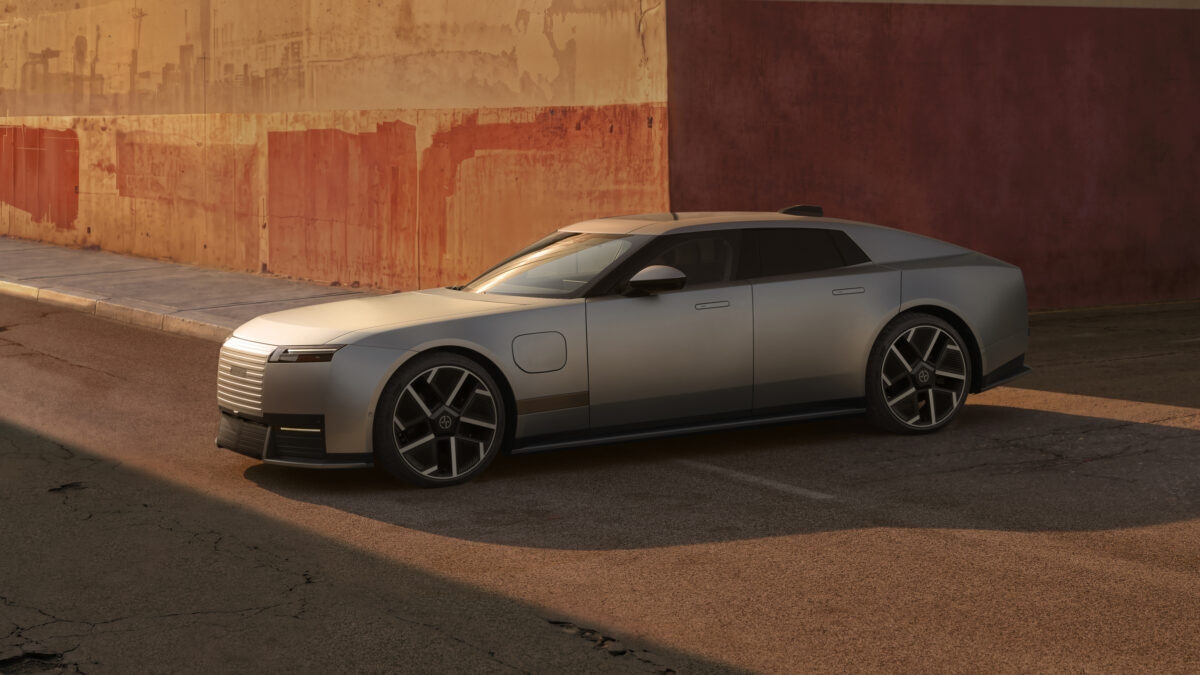
Jaguar just showed the car its entire future depends on. The Type 01, the brand’s first all-new model since it torched its old logo and nearly halved its sales doing it, had its full production reveal in New York on October 6, 2026. The numbers are now locked: £130,000 to start (around ₹1.66 crore), three electric motors making more than 1,030PS, an 850-volt electrical system, and a claimed range of 720km on the WLTP test cycle, the lab-style standard most of the world uses to rate EV range. Orders open in early 2027, with the first cars reaching customers in the second half of that year.
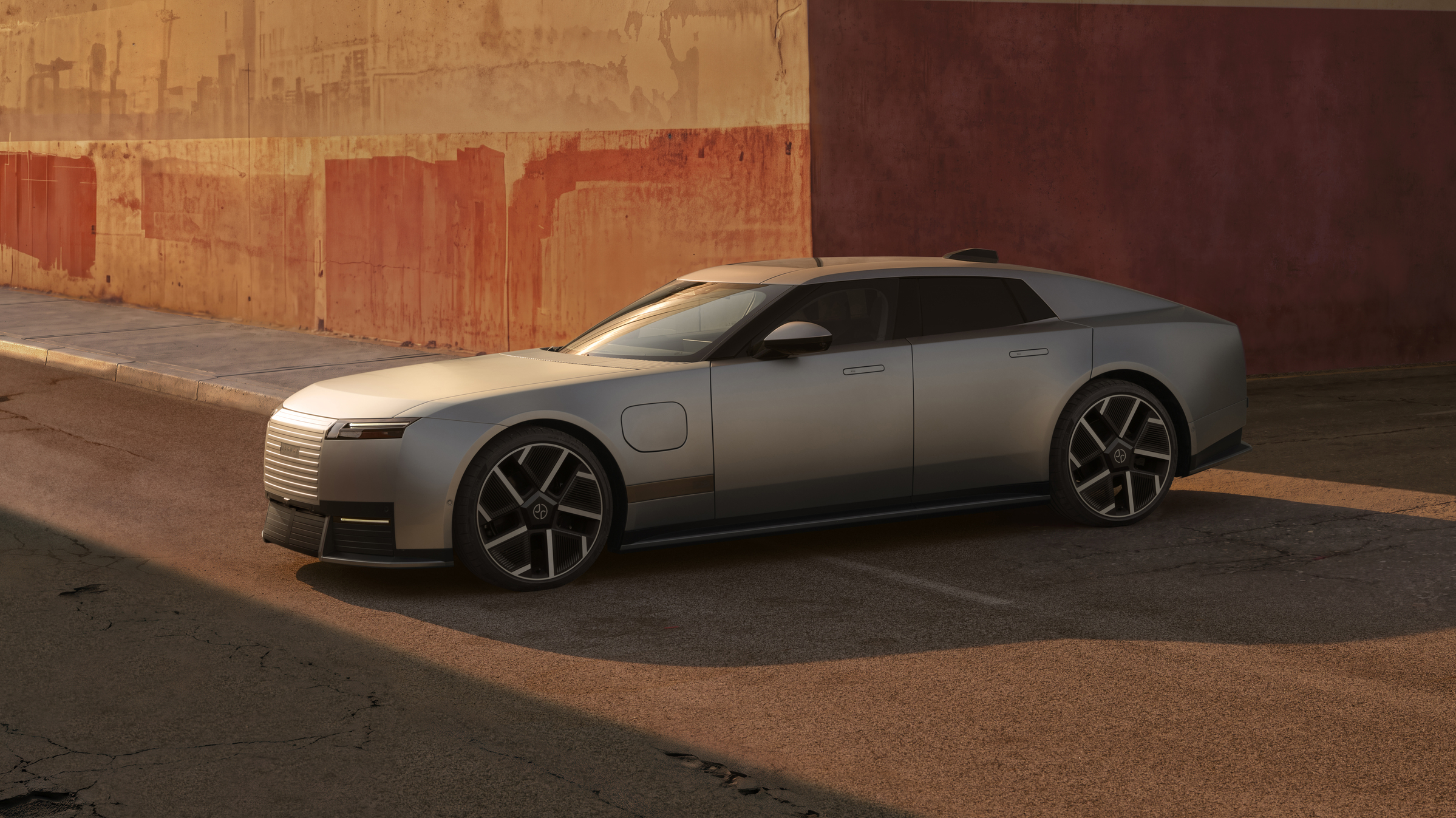
This isn’t a concept or a teaser. It’s the production-ready car, built on Jaguar’s new JEA (Jaguar Electric Architecture) platform, and it’s heading to Jaguar’s own factory floor. We already showed you the Type 01’s window-less, screen-heavy interior back in August when Jaguar previewed it early. This is the rest of the car: the exterior, the drivetrain, and crucially, the price.
The Numbers That Matter
Three motors (one up front, two at the rear) send power to all four wheels and get the Type 01 from 0 to 100km/h in 3.2 seconds, Jaguar says, making it quicker than most petrol supercars despite weighing over two tonnes with its battery. That battery is a 120kWh pack (118kWh of it usable), plugged into an 850-volt system, roughly double the voltage of a typical family EV, which is what lets it add 321km of range in just 13 minutes on a fast enough charger (350kW DC, the kind found at motorway charging hubs, not a home socket).
| Price (UK, starting) | £130,000 (₹1.66 crore approx.) |
| Power | 1,030PS / 1,365Nm from 3 motors |
| 0-100km/h | 3.2 seconds |
| Battery | 120kWh (118kWh usable) |
| WLTP range | Up to 720km |
| Fast charging | 321km added in 13 min (350kW DC) |
| Orders open | Early 2027 |
| Deliveries begin | Second half of 2027 |
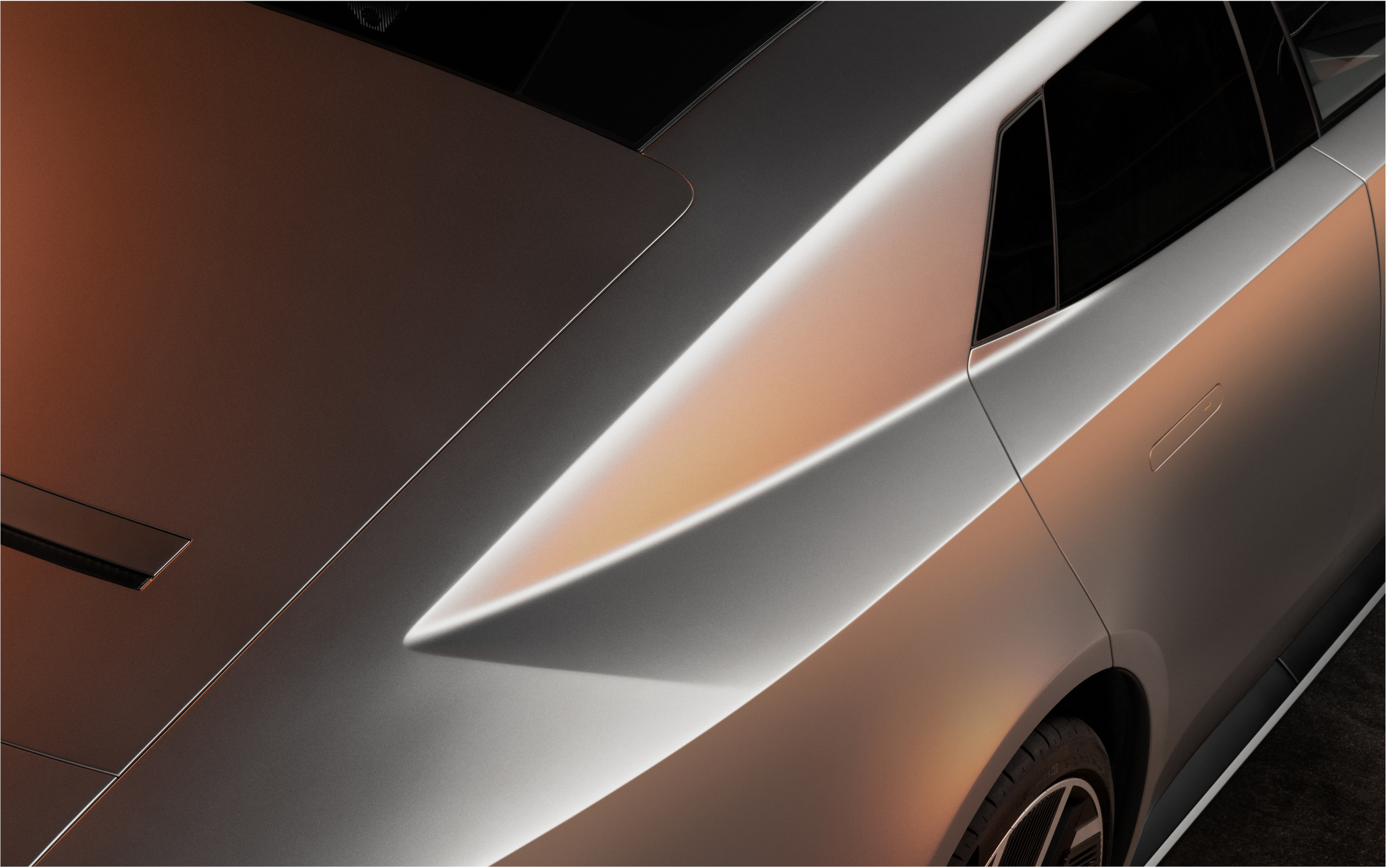
At just under 5.24 metres long and only 1.41 metres tall, the Type 01 is a low, wide four-door GT (grand tourer, a fast car built for covering long distances in comfort), not an SUV. That matters, because it puts the car up against the Porsche Taycan, the Lucid Air and Bentley’s upcoming electric models rather than the three-row electric SUVs every other luxury brand has been chasing. Jaguar is betting its comeback on a type of car the rest of the industry has largely stopped building.
Why Jaguar Needed This to Go Well
Context matters here, because this isn’t just another car launch. In November 2024, Jaguar dropped its growling cat logo, its cars, and its 100-plus year identity for a minimalist rebrand built around an ad with no vehicles in it at all. The internet mocked it mercilessly (Elon Musk’s response was simply “Do you sell cars?”), and the mockery wasn’t just noise. Jaguar’s global sales fell from roughly 61,600 cars in 2022 to about 33,300 in 2024, and by early 2025 European sales had crashed by as much as 98% year-on-year as the brand sold down its old petrol lineup with nothing new to replace it. The agency behind the ad was dropped, and Jaguar spent nearly two years with showrooms that had almost nothing to sell.
The Type 01 is the first real proof that Jaguar’s gamble produces an actual car people can order, not just another campaign.
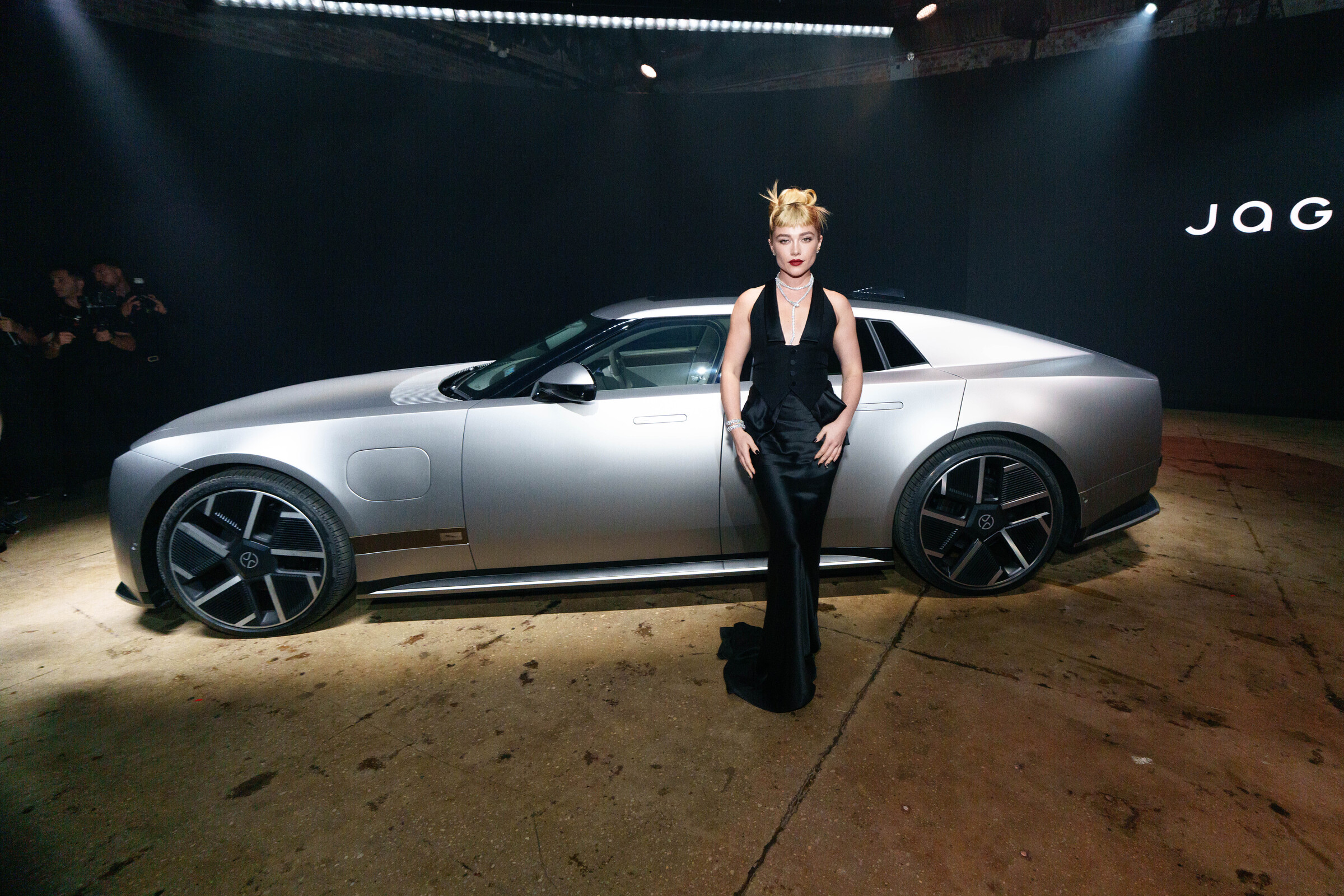
That’s what makes October 6 significant beyond the spec sheet. Jaguar’s managing director Rawdon Glover called it a car that “distils the essence of Jaguar into a luxury grand tourer for a new era,” and the company used the reveal event to name actor Florence Pugh as the brand’s first ambassador under the new identity, a deliberate pivot toward real-world star power after two years of abstract marketing.
What Happens Next
The Type 01 will be designed, engineered and built entirely in the UK, with battery packs from Jaguar Land Rover’s Wolverhampton plant and body panels pressed at Halewood before final assembly at Solihull. Order books open in early 2027, and the first deliveries are expected in the second half of that year, which gives Jaguar roughly a year to build demand before a single customer car actually leaves the factory. That’s a long runway for a brand that badly needs the momentum now, and it means the real test, whether buyers who were put off by the rebrand actually show up with deposits, is still months away.
There’s a real India angle too, though it isn’t locked down yet. Jaguar hasn’t given India a confirmed date, but industry reports point to an early-2027 arrival alongside the global rollout, with import duties and local taxes expected to push the price to somewhere between ₹2 crore and ₹3 crore. That would put it well above anything in our luxury cars list today, but it shows India is still on Jaguar’s map for this relaunch, not an afterthought.
For now, the headline is simple: Jaguar said it would build an electric-only future worth caring about, and after two years of being the industry’s punchline, it has finally produced a car to back that up. Whether 1,030PS and a 720km range are enough to make luxury buyers forget the ad with no cars in it is the question the next twelve months will answer.