





























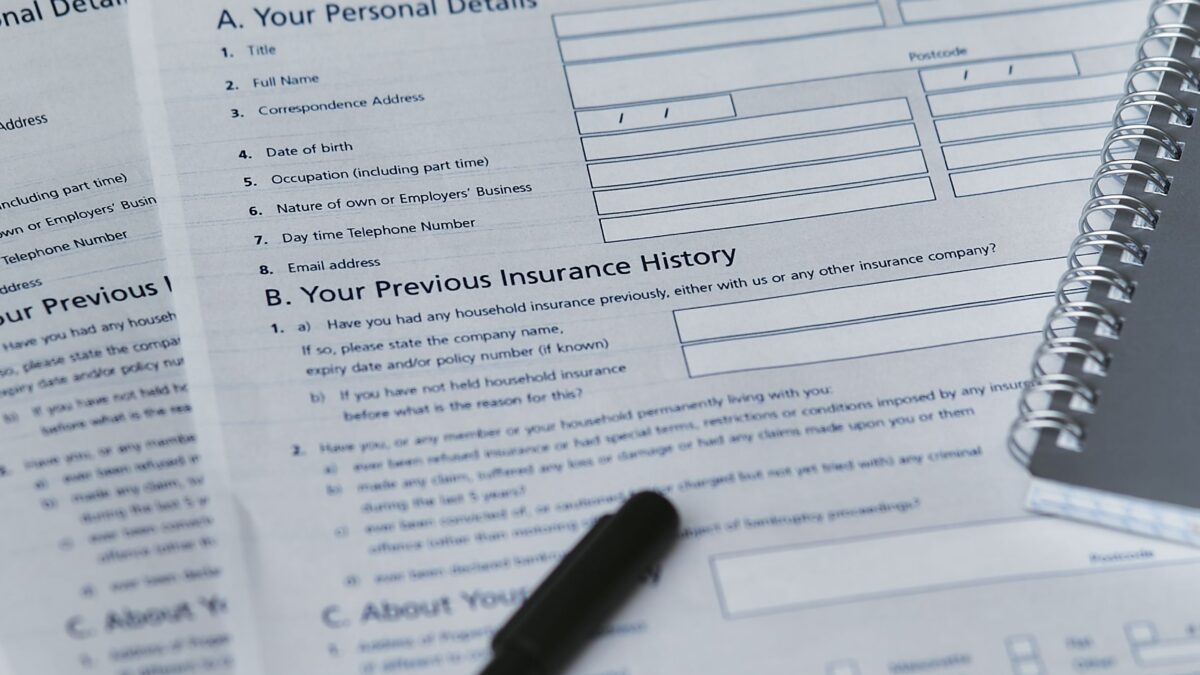
A 2-year-old Hyundai Creta with an ₹80,000 accident repair bill gets its owner back just ₹54,500 from a standard car insurance policy, the rest lost to depreciation deductions on plastic, rubber and metal parts. Add zero depreciation cover, roughly ₹2,500 to ₹3,200 a year on a Creta, and the payout jumps to ₹74,000. That single comparison, cited by insurance marketplace Insure24, is the entire case for or against the add-on, and whether it makes sense for you comes down almost entirely to how old your car is.
Most buyers hear “depreciation” once, from their agent, and assume Insured Declared Value (IDV) and zero depreciation cover are the same thing. They are not. IDV decides your premium and what you get if the car is stolen or totalled. A completely separate schedule decides what gets deducted off every dent, cracked bumper and broken headlight you actually claim for. Zero dep only touches the second one.
What Is IDV, and Why It Sets Your Premium
IDV is your car’s current market value as far as the insurer is concerned: the ex-showroom price minus a fixed, age-based depreciation percentage, plus the value of any declared accessories. It is the maximum amount you can claim in a total loss or theft, and your premium moves up or down with it. The depreciation slabs come from the India Motor Tariff 2002 (GR-8) and are published on the General Insurance Council’s own IDV calculator, matched by insurers including Tata AIG and Acko:
| Vehicle age | Depreciation applied to IDV |
| Up to 6 months | 5% |
| 6 months to 1 year | 15% |
| 1 to 2 years | 20% |
| 2 to 3 years | 30% |
| 3 to 4 years | 40% |
| 4 to 5 years | 50% |
| Beyond 5 years | Negotiated between insurer and owner |
Run that against real cars and the numbers get concrete fast. Acko’s IDV calculator lists a new Tata Punch at ₹6.92 lakh, a Maruti Swift ZXi at ₹5.55 lakh, a Tata Nexon at ₹8.12 lakh and a Hyundai Creta SX at ₹14.5 lakh in Bengaluru. A 2-year-old Creta at the 20% slab drops to roughly ₹11.6 lakh, which is why a theft or total-loss payout on a used car is always lower than what you paid for it. Under-declare the IDV to cut your premium and you cap your own payout below that; over-declare it and you pay premium on value the insurer will never hand back.
What Zero Depreciation Cover Actually Waives
The IDV schedule above has nothing to do with your repair claim. When you get into a fender-bender, the surveyor applies a second, separate depreciation table to the specific parts being replaced, and this is the one zero dep exists to cancel out. Per the standard applied by insurers such as Tata AIG:
| Part type | Standard depreciation deducted |
| Rubber, nylon, plastic parts, tyres, battery, airbags | 50% |
| Fibreglass components | 30% |
| Glass parts (windshield, windows) | Nil |
| Metal parts | Same slab as the IDV age table above |
Zero depreciation does not change your premium calculation or your total-loss payout. It only cancels the deduction on the parts you actually repair, which is a different number from IDV entirely, and conflating the two is the single most common car insurance mistake in India.
Zero Dep Premium Cost by Car: Is It Worth Buying?
Insure24 and Jio Insure both put the zero-dep add-on at 10 to 20% over your base own-damage premium, and the rupee amount scales with the car’s value and age:
| Car (age, IDV) | Approx. zero-dep premium/year |
| Maruti Swift (2 yrs, ₹5 lakh) | ₹1,400–1,800 |
| Hyundai Creta (2 yrs, ₹11 lakh) | ₹2,500–3,200 |
| Toyota Innova Crysta (3 yrs, ₹16 lakh) | ₹3,500–4,500 |
| Mahindra XUV700 (1 yr, ₹18 lakh) | ₹4,000–5,000 |
Buy it if your car is under 5 years old. That is not a rule of thumb, it is a hard cutoff most insurers apply: coverage is easiest to get up to 5 years, a handful stretch to 7 with a fresh inspection, and beyond that insurers either refuse it outright or price it high enough that the math stops working. If you are cross-shopping a Creta against a Grand Vitara before you buy, factor the insurance add-on into your first-year running cost alongside the EMI, which you can work out on The Spec’d’s calculators, not just the sticker price.
What Zero Dep Does Not Cover
Zero dep only pays out on parts damaged in an insured event, mainly accidents. It does not cover engine damage from waterlogging or an oil-leak seizure, which is exactly the claim most Indian owners need during the monsoon. That needs a separate Engine Protect add-on. A car that regularly sees flooded streets in June to September needs both covers, not one instead of the other.

Does zero depreciation cover apply to engine damage from flooding?
No. Zero dep waives the depreciation deduction on parts replaced after an accident, it does not extend the base policy to cover engine damage from water ingress or oil-leak seizure. You need a separate Engine Protect (Engine Guard) add-on for that, and insurers sell both together specifically because owners assume one covers the other.
Can I add zero depreciation cover to my policy anytime?
Generally, no. Most insurers restrict adding zero dep to the policy renewal date, not mid-term, and may require a fresh vehicle inspection depending on the car’s age and condition. If you skipped it at your last renewal, mark your calendar for the next one rather than expecting to add it after an accident.
Does a higher IDV always mean a better policy?
Not automatically. A higher IDV raises your premium in direct proportion, and it only pays off if the car is actually stolen or written off. Declaring an IDV lower than your car’s real depreciated value cuts your premium but caps what you can ever claim, so the right number is the one the standard age-based schedule actually produces, not the lowest or highest figure an agent offers you.


