































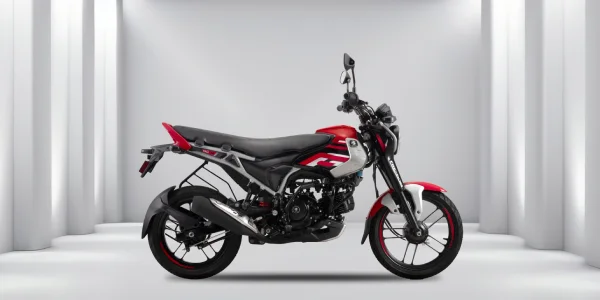
Bajaj just did something it has never done before to the Freedom 125: made it more expensive. Effective August 5, 2026, ex-showroom prices on the world’s first production CNG motorcycle are up by as much as ₹12,492 on the base variant. If you’ve been eyeing this dual-fuel commuter as your way out of rising petrol bills, here’s whether the math still holds up, and how it actually rides.
What changed on August 5
Bajaj revised prices across all three variants of the NG04-generation Freedom. The base Drum variant jumped ₹12,492 to ₹1,04,058, the Drum LED rose ₹2,982 to ₹1,07,159, and the range-topping Disc LED climbed ₹5,855 to roughly ₹1,17,500 (all ex-showroom, Delhi). That’s a 13.6% hike on the entry variant, the steepest since the bike went on sale. You can check the current specs and on-road price of the Bajaj Freedom 125 here.
| Variant | Old Price | New Price | Hike |
| NG04 Drum | ₹91,566 | ₹1,04,058 | ₹12,492 |
| NG04 Drum LED | ₹1,04,117 | ₹1,07,159 | ₹2,982 |
| NG04 Disc LED | ₹1,11,604 | ₹1,17,459 | ₹5,855 |
How it actually rides
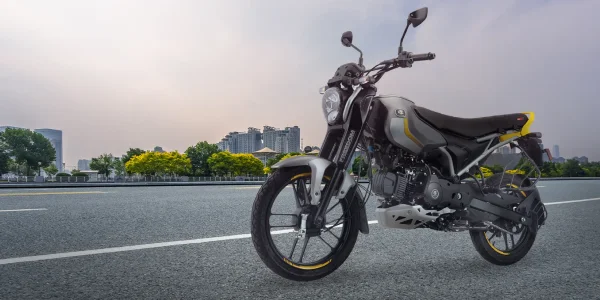
The Freedom isn’t built to impress on a spec sheet. Its 124.6cc air-cooled engine makes 9.5 PS and 9.7 Nm, which feels closer to a 100-110cc commuter than a proper 125. On CNG specifically, throttle response softens further because the engine is tuned to run leaner and cooler on gas. That said, in actual city traffic, stop-go riding to work or weaving through a market street, it never feels underpowered. The seat is genuinely the longest and most comfortable in its class, and Bajaj has boxed the CNG cylinder into a trellis subframe that keeps the ride quality and handling close to a normal commuter, nothing about it screams ‘science project’.
Does the running cost math still work
This is the entire reason the Freedom exists. On CNG it returns around 94 km/kg in the city, and Bajaj claims running costs up to 50% lower than an equivalent petrol commuter. Even after the August hike, that gap between what you pay per kilometre on CNG versus petrol hasn’t moved, only the upfront cost of the bike has. For someone doing serious daily distance (delivery riders, long commutes), the extra ₹12,000-odd on the base variant typically gets clawed back within a few months of fuel savings. For a casual rider doing under 30-40 km a day, the payback period stretches out, and the math gets less compelling. If you’re financing it, run the numbers through an EMI calculator before you commit, the difference between variants is small enough to change what makes sense on a monthly budget.
The real catch: CNG availability
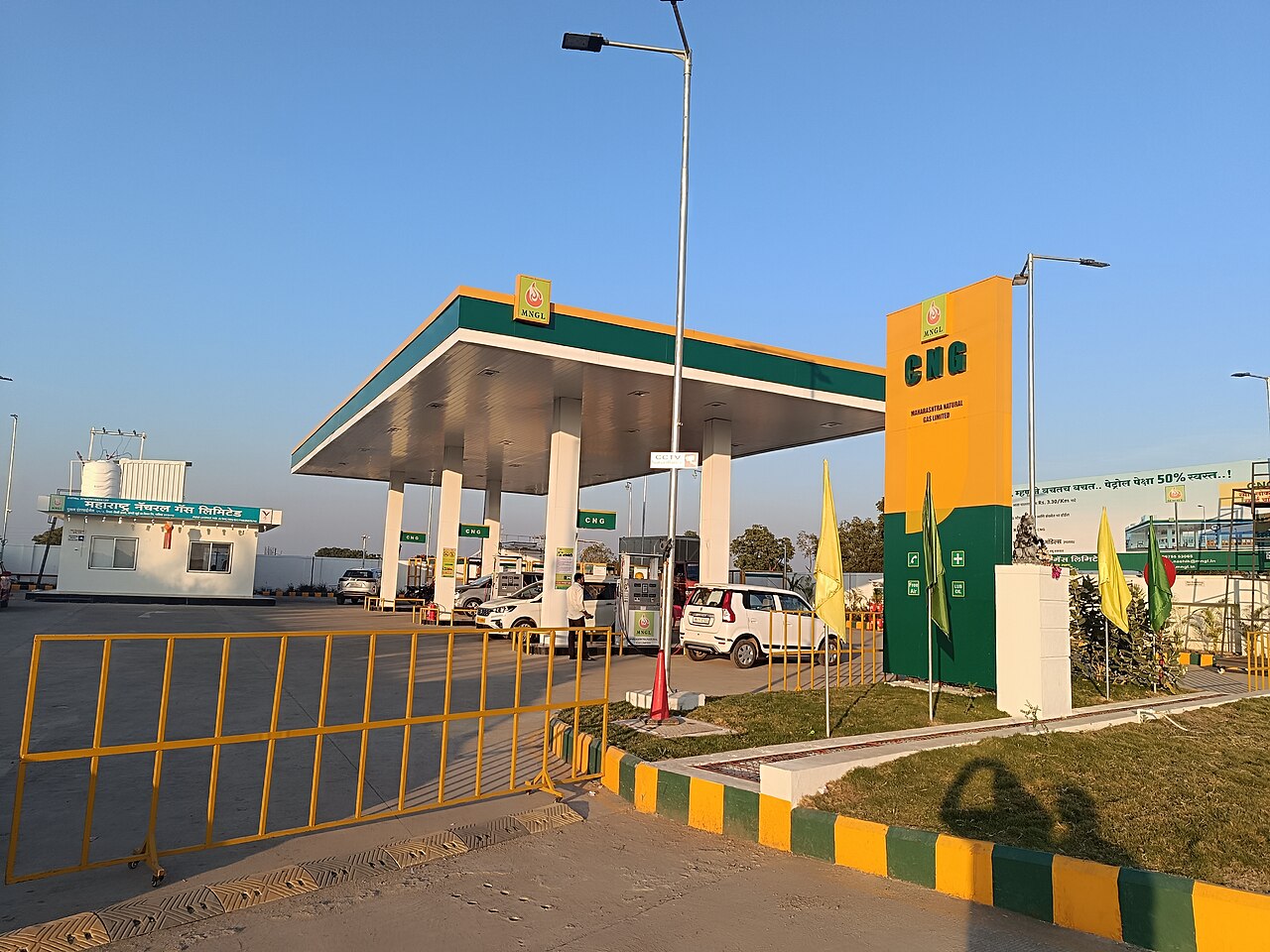
The Freedom’s biggest limitation was never the engine, it’s the fuel network. CNG pumps are dense in cities like Delhi, Mumbai, and Pune, but thin out fast once you’re outside metro belts. The bike’s 2-litre auxiliary petrol tank (good for about 130 km) exists precisely so you’re never stranded, but it does mean owners in smaller towns end up running mostly on petrol anyway, which erodes the entire value proposition. Before you book one, it’s worth mapping CNG stations on your actual daily route rather than assuming coverage.
The Freedom 125 is still the cheapest way to cut your fuel bill in half if you ride daily and live somewhere with real CNG coverage. The August price hike stings, but it doesn’t break the case for owning one.
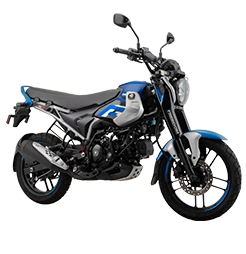
Bajaj also sells the Freedom in a few colour options beyond the launch red and white, including a blue and grey scheme that’s become one of the more popular picks at dealerships.