
























BMW Group’s China deliveries fell 24.8% in the third quarter of 2026, dropping to just 114,355 cars, a crash big enough to drag the automaker’s entire worldwide sales down 6.3% to 551,072 vehicles. For a brand that spent two decades treating China as its biggest growth story, that is not a dip. It is the clearest sign yet that the ground has shifted permanently under the world’s legacy carmakers, and BMW is now leaning harder than ever on markets like India to make up the difference.
The numbers, reported this week and confirmed in BMW’s own delivery figures, mark the third straight quarter of double-digit China declines for the brand in 2026. Q1 was down roughly 10%. Q2 was down closer to a third. Q3 landed at 24.8%, still brutal, but the pattern is now undeniable: this isn’t a bad quarter, it’s a structural retreat.
Europe and the US grew. China swallowed it whole
BMW isn’t losing everywhere. Europe deliveries rose 2.7% in Q3 to 235,628 units, and the US grew 2.5% to 106,741 units. Nine months into 2026, the Group has delivered 1,707,799 vehicles globally, down 4.9% year on year, with China down 21.8% to 376,128 units over the same stretch. The math is simple: China alone wiped out every gain BMW made everywhere else, and then some.
| Market | Q3 2026 deliveries | Change vs Q3 2025 |
| Global | 551,072 | -6.3% |
| China | 114,355 | -24.8% |
| Europe | 235,628 | +2.7% |
| United States | 106,741 | +2.5% |
There’s one bright spot buried in the data: BMW’s battery-electric vehicle (a car that runs purely on a battery, no petrol engine at all) deliveries actually rose 7.2% globally in Q3, to 110,257 units. That tells you exactly where the fight is happening, and exactly where BMW is losing it in China.
Why China specifically is falling apart for BMW
BMW’s problem in China isn’t demand for cars in general, it’s demand for the kind of cars BMW sells there. Roughly 46% of everything sold in China today is a full EV or plug-in hybrid, one of the highest electrification rates anywhere in the world. BMW’s own EV penetration in China sits at a fraction of that. Domestic rivals like BYD and Xiaomi are selling tech-loaded electric cars, with huge touchscreens, over-the-air software updates and aggressive pricing, that undercut BMW’s combustion-heavy lineup on both price and features.
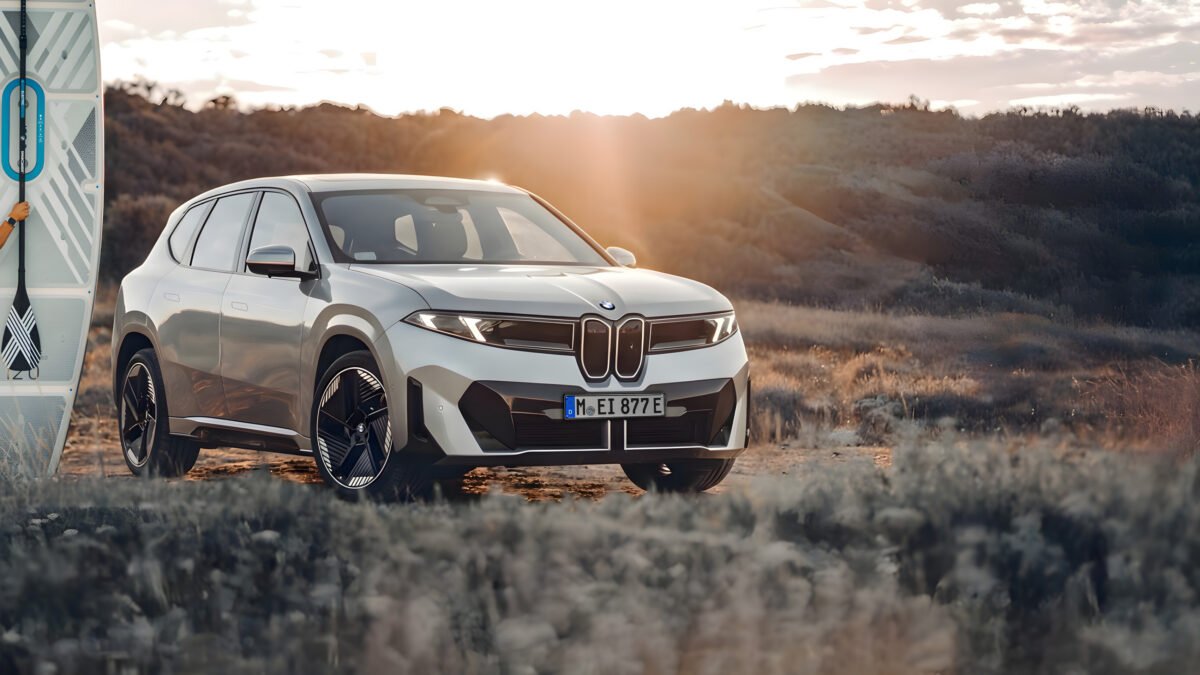
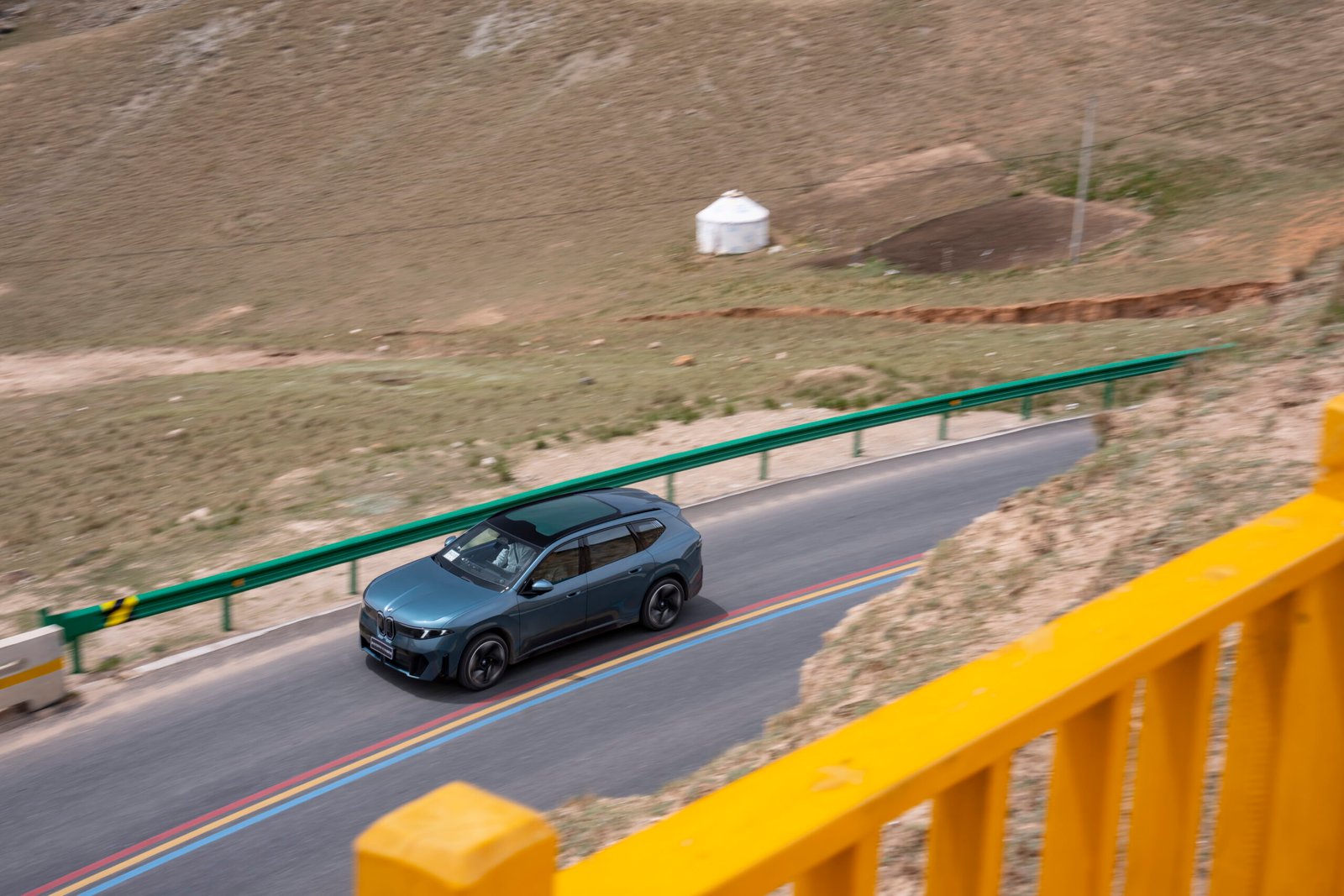
BMW has responded by cutting prices on more than two dozen models in China and leaning its recovery plan on the Neue Klasse, its new electric architecture, with the iX3 as the opening shot. A long-wheelbase version built specifically for Chinese buyers, badged iX3L, is already in testing on Chinese roads. But that’s a car still months from showrooms, fighting a China price war that domestic brands have been winning for two years running.
This quarter’s numbers also land just two weeks after BMW cut its 2028 profit margin target to just 3-5% and confirmed 8,000 German job cuts. That warning was built on exactly this trend, a shrinking China business that can no longer carry BMW’s European and American operations. The Q3 figures aren’t a new problem. They’re proof the old one is getting worse, not better.
Where BMW is hedging: markets like India
Here’s the part of this story that actually touches Indian roads. While China implodes, BMW Group India just posted its best-ever first half of a year, with deliveries up 17% and the brand claiming the top spot among luxury carmakers by retail registrations, according to Vahan data. BMW’s India CEO has said the company launched 11 models in the first half of 2026 alone, with 14 more scheduled for the second half, a product offensive far more intense than what’s happening in its home European market right now.
Electric vehicles are expected to make up around 30% of BMW India’s sales in the second half of 2026, up from 26% in the first half, and both the i5 and iX1 long-wheelbase EVs are now built locally at BMW’s Chennai plant rather than imported. None of this makes India big enough to replace China’s lost volume outright, China still sells more BMWs in a single quarter than India does in a year. But it explains why BMW is pouring so much product and local manufacturing into India specifically right now: when your biggest market turns hostile, you double down on the ones that are still growing.
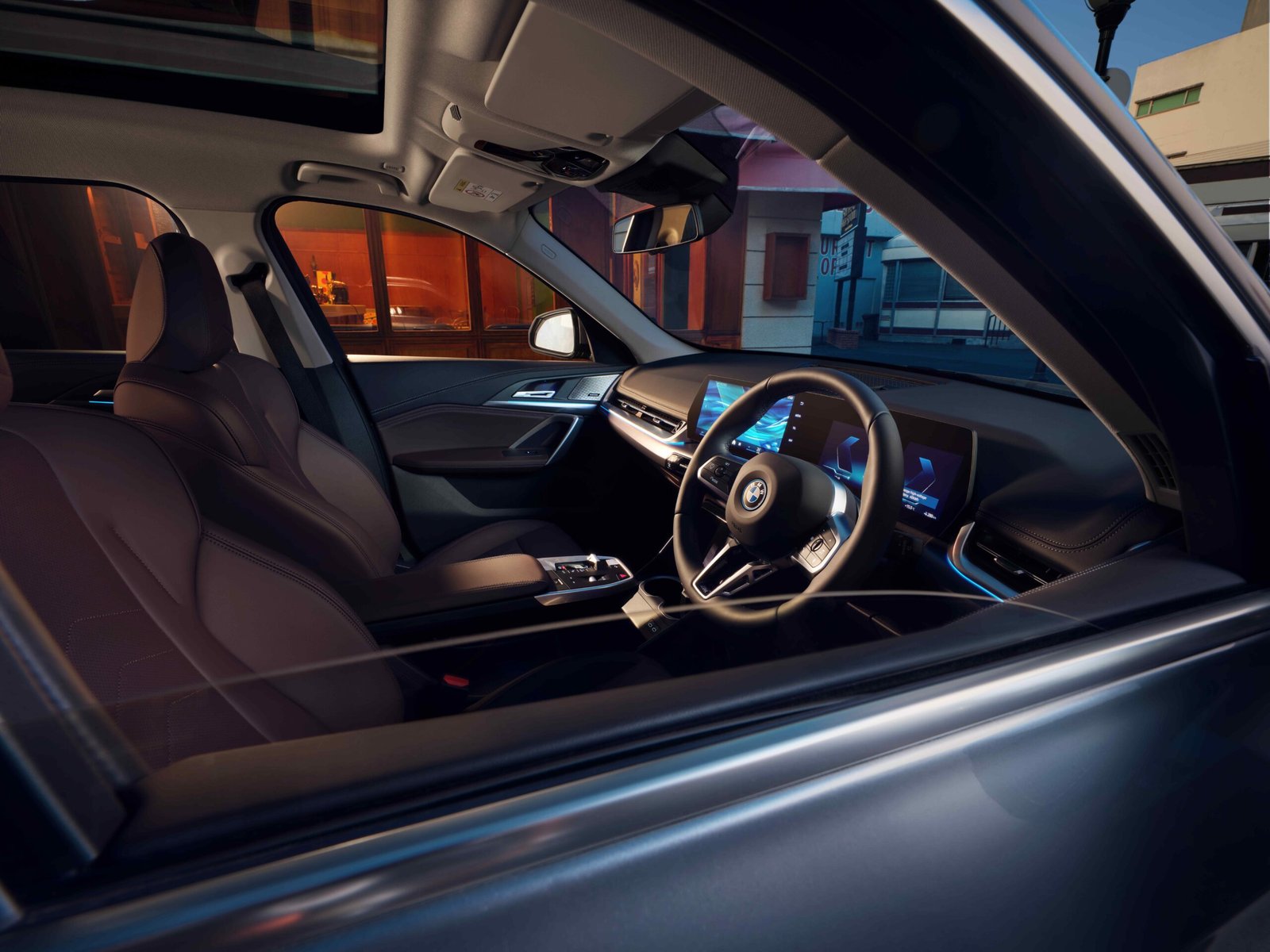
The read here isn’t that BMW is in crisis everywhere, it’s that the brand’s entire global strategy is quietly being rebalanced away from China and toward markets, India chief among them, that still want what BMW is selling.
What happens next
BMW reports full Q3 financial results later this month, and that’s when we’ll find out whether the 8,000 job cuts announced in September are enough, or whether China’s slide forces a deeper rethink. The Neue Klasse rollout, starting with the iX3 globally and the China-specific iX3L next, is the company’s clearest bet that it can win back ground with genuinely competitive EVs rather than price cuts alone. Until then, expect BMW’s product calendar to keep tilting toward electric cars and growth markets, India very much included, while it fights a defensive battle at home.