

























Delhi’s EV Policy 2026 promised to make electric the default choice for both scooters and cars. Eighty-three days of real application data show only one of those two things actually happened.
Delhi’s transport department has processed 5,678 incentive applications since the Delhi EV Policy 2026 went live on July 1, and 5,621 of them, that’s 99 out of every 100, are for electric two-wheelers. The scrappage bonus meant to pull old, polluting cars off Delhi’s roads has drawn just 52 applications in the same window. The scooter subsidy is working exactly as designed. The car incentive is being ignored, and the reason isn’t apathy, it’s that most new EV car buyers never had to apply for anything in the first place.
What the 83-Day Numbers Actually Say
The Delhi government released this data on September 21, and it was reported independently by The Tribune and ETV Bharat. Of the 5,678 total applications, only 1,664 (29%) have actually been processed and paid out, releasing ₹4.8 crore so far. The remaining 4,014 applications, 71% of everything filed, are still stuck in verification.
| Category | Applications | Paid Out | Amount Disbursed |
| Electric two-wheelers (purchase + scrapping) | 5,621 | 1,648 | ₹4.61 crore |
| Electric four-wheelers (scrapping-linked) | 52 | 16 | ₹16 lakh |
| N1 electric goods trucks | 5 | – | – |
| Total | 5,678 | 1,664 | ₹4.8 crore |
Why Two-Wheelers Are Winning and Cars Aren’t Even Trying
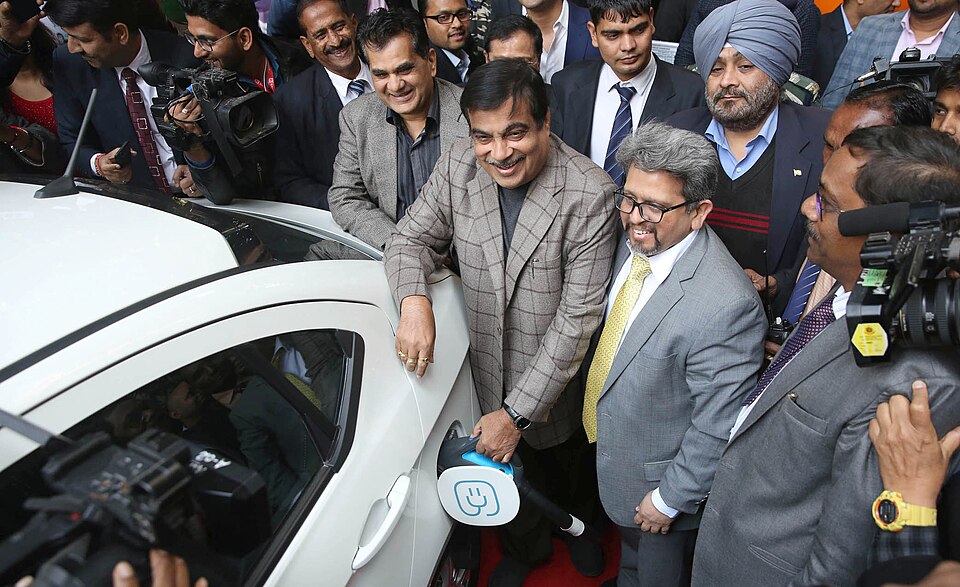
Here’s the part the raw numbers hide: this isn’t really a story about Delhi buyers rejecting electric cars. It’s a story about paperwork. The policy waives road tax and registration fees for electric cars priced up to ₹30 lakh, but that waiver is applied automatically at the RTO when you register the car. There’s no form to fill and no incentive to “claim”, so it never shows up in an application count. The 52 four-wheeler applications aren’t people buying EVs, they’re the much smaller pool of people who also scrapped an old BS-IV petrol or diesel car for an extra ₹1 lakh bonus, and that requires a trip to a registered scrapping facility with paperwork most owners just don’t bother with.
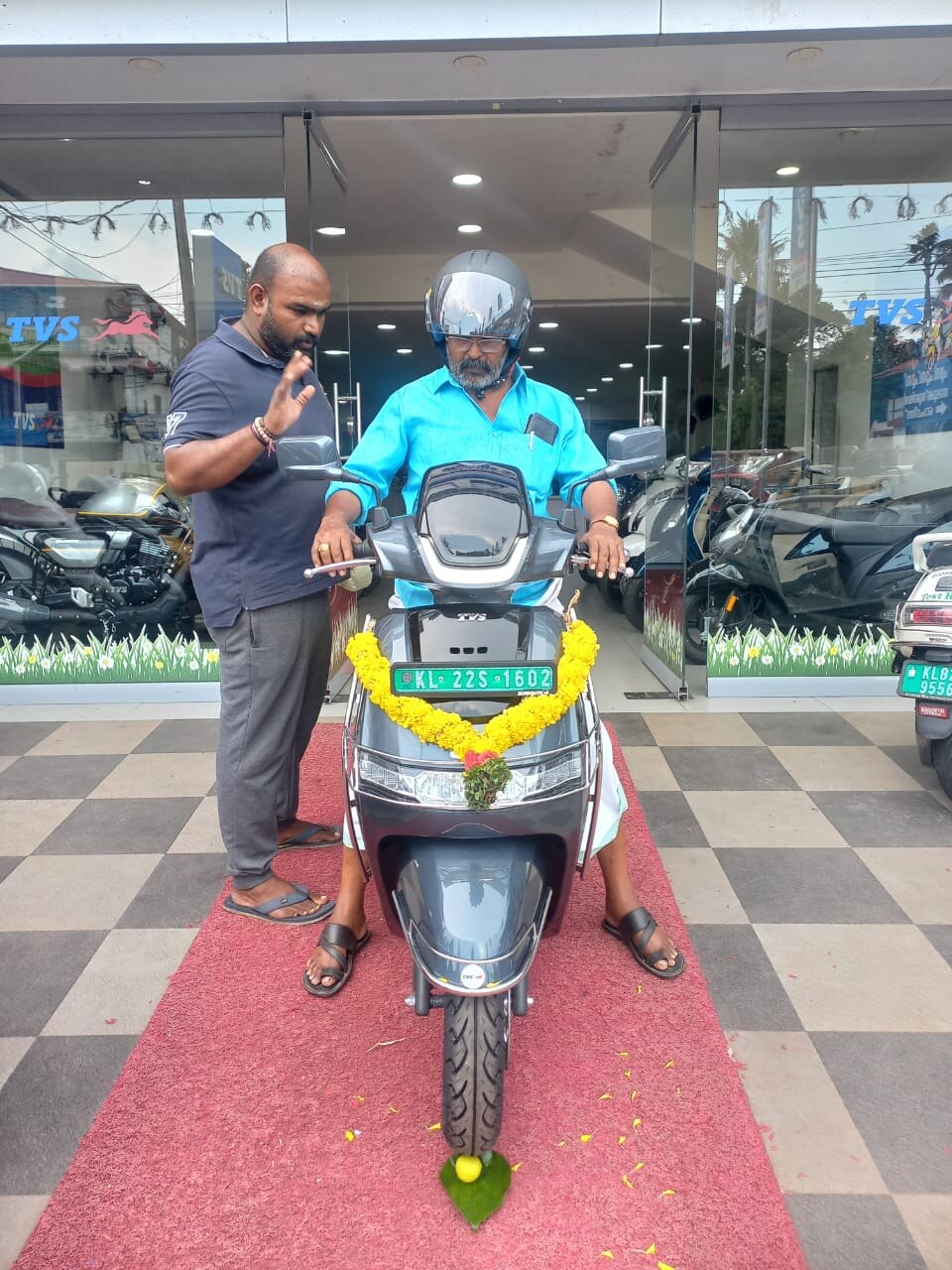
The two-wheeler subsidy works differently. Even a straightforward purchase needs an application, because the ₹10,000-per-kWh incentive (capped at ₹30,000 in year one) is credited to the buyer directly, not folded into an on-road price at the showroom. A scooter like the TVS iQube, priced around ₹1-1.5 lakh depending on variant, sees that ₹30,000 knock a genuine 20-25% off the sticker price. That’s worth the form-filling. On a ₹20-30 lakh car, the automatic tax waiver is worth more in absolute rupees, but it needs zero effort to get, so it generates zero paperwork trail.
| Two-Wheeler Subsidy Tier | Rate | Cap |
| Year 1 (2026-27) | ₹10,000/kWh | ₹30,000 |
| Year 2 (2027-28) | ₹6,600/kWh | ₹20,000 |
| Year 3 (2028-29) | ₹3,300/kWh | ₹10,000 |
The Part That Should Actually Worry You: 70% Still Unpaid
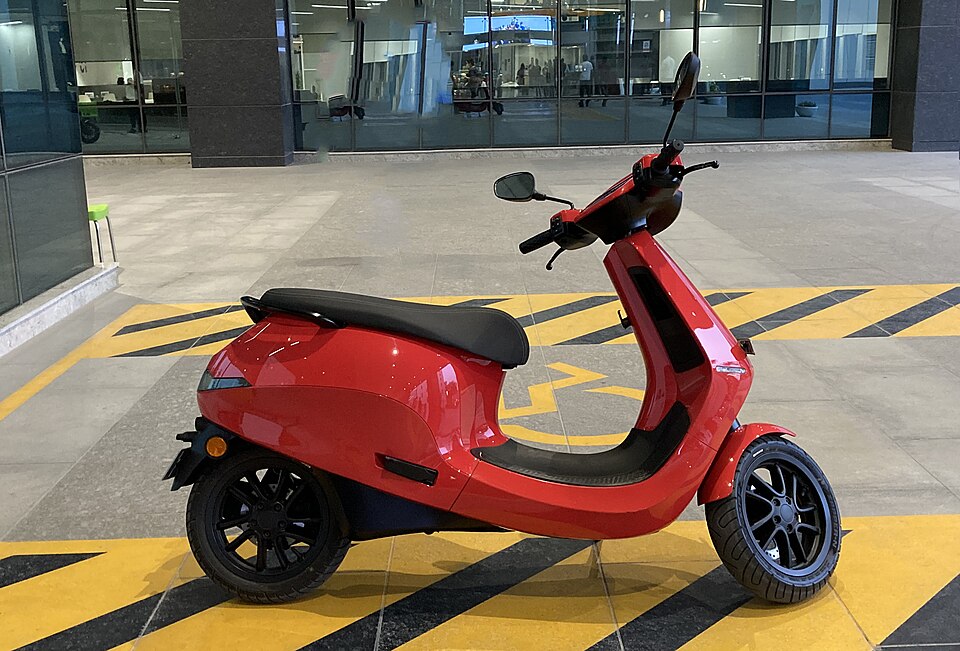
This is where The Spec’d parts ways with the polite read of this data. A 71% pending rate, 83 days into a scheme, isn’t a rounding error, it’s a warning sign for anyone banking on that subsidy showing up in their bank account on a predictable timeline. Neither Tribune nor ETV Bharat reported an official reason for the backlog, and we won’t invent one. What we will say plainly: if you’re buying an electric scooter in Delhi right now expecting the ₹30,000 credit to land inside a few weeks, the government’s own numbers say there’s roughly a 70% chance you’ll still be waiting past that window. Budget your EMI as if the subsidy is a bonus, not a certainty.
The tax waiver on your electric car happens without you lifting a finger. The scooter subsidy needs an application, and right now, seven out of ten of those applications are stuck.
Should the Scrapping Bonus Change What You Buy?
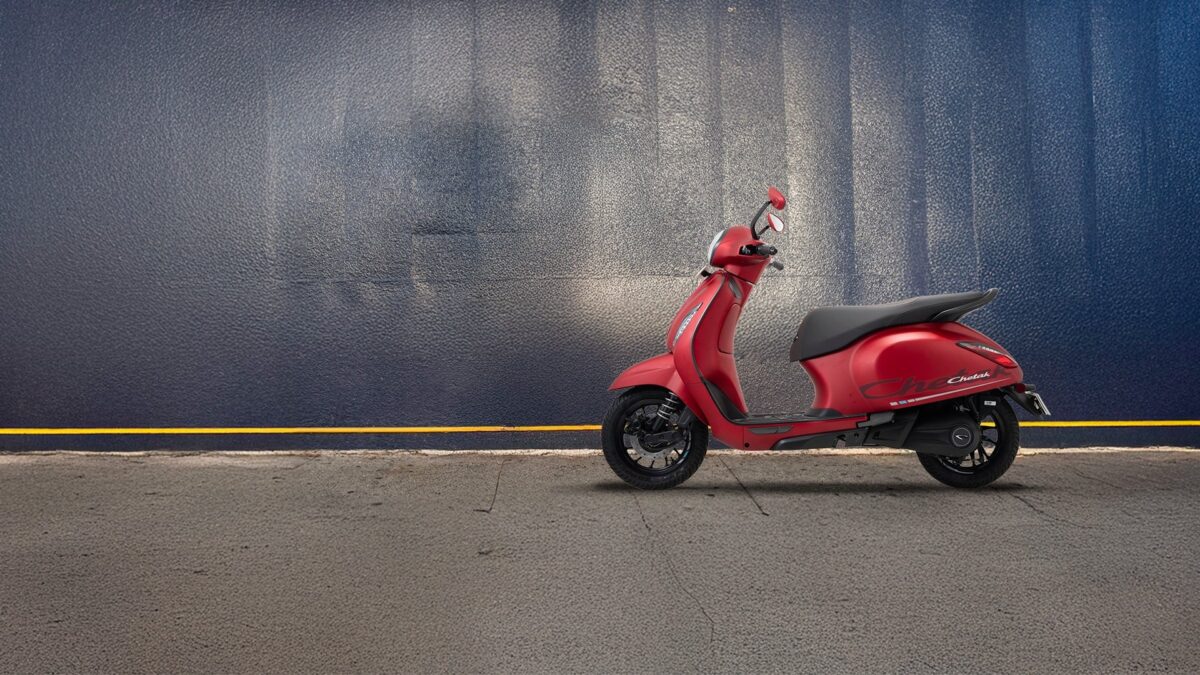
If you own a BS-IV or older car or two-wheeler and were already planning to replace it with an electric one, the scrapping bonus (₹1 lakh for cars, ₹10,000 for two-wheelers) is free money that almost nobody is claiming, which likely means less competition for slots at scrapping facilities right now compared to later in the scheme’s run to March 2030. A popular electric scooter comparison worth running before you book: the Ola S1 Pro against the Bajaj Chetak, since both sit in the price band where the full ₹30,000 year-one credit makes the real difference.

We covered the original policy announcement and its subsidy math when Delhi banned new petrol two-wheeler registrations from 2028. This is the follow-up: the first real look at whether people are actually using the incentives that policy created, and the two-wheeler side of it clearly is.
Frequently Asked Questions
Do I need to apply separately for the road tax waiver on an electric car in Delhi?
No. The waiver on registration fees and road tax for electric cars priced up to ₹30 lakh is applied automatically when the car is registered at the RTO. You don’t file a form for it, which is also why it doesn’t show up as an “application” in the government’s own data.
How long is the wait for the Delhi two-wheeler EV subsidy payout?
The government hasn’t published an official average processing time, but as of September 21, 71% of all applications filed since July 1 were still pending verification. Budget for a wait measured in months, not weeks, until the government clears the backlog.
Is the scrapping bonus worth the paperwork for a car?
If you already have a BS-IV or older car to retire, ₹1 lakh on top of the automatic tax waiver is meaningful money for a scrapping-facility visit. Only 52 people had claimed it by September 21, so it’s genuinely underused, not a sign it isn’t worth doing.


