






























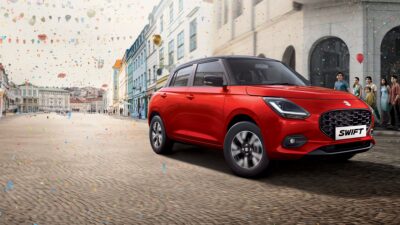

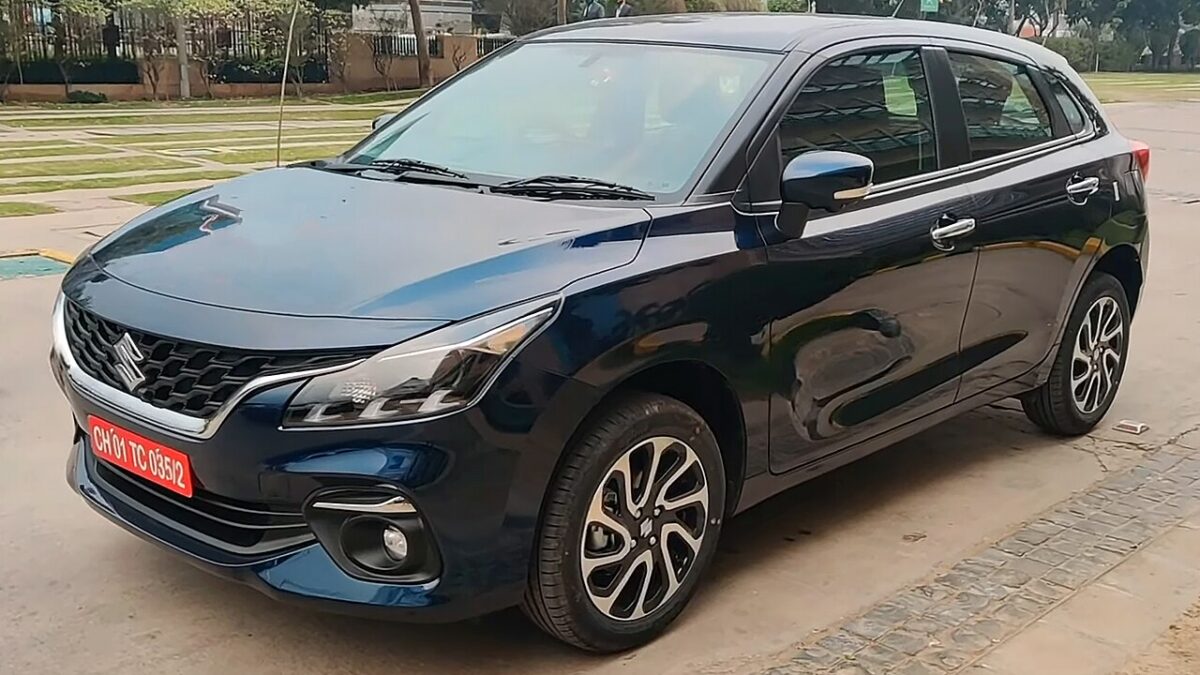
Maruti Suzuki sold 2,00,123 cars in India in a single month. No Indian passenger vehicle maker has ever crossed that mark before. It happened in July 2026, and it was not a one-off. According to fresh data from the Society of Indian Automobile Manufacturers (SIAM), the country’s entire auto industry just posted its strongest-ever July: 4,57,810 passenger vehicles, 19,23,483 two-wheelers, and 92,560 three-wheelers moved out of factories and into dealer stockyards.
If you are planning to buy a car or bike before Diwali this year, this is not just a trivia number. It tells you two things: showrooms are stocked to the ceiling right now, and the reasons behind the surge, cheaper loans, a lighter GST bill, and income tax relief, are things that directly change what you will pay.
The July numbers, segment by segment
SIAM Director General Rajesh Menon summed it up simply.
“India’s auto industry delivered its strongest-ever July sales, with robust double-digit growth across passenger vehicles, three-wheelers and two-wheelers.”
| Segment | July 2026 dispatches | YoY growth |
| Passenger Vehicles | 4,57,810 units | +34.3% |
| Two-Wheelers | 19,23,483 units | +22.6% |
| – Scooters | 7,98,190 units | +23.7% |
| – Motorcycles | 10,74,796 units | +20.7% |
| Three-Wheelers | 92,560 units | +33.4% |
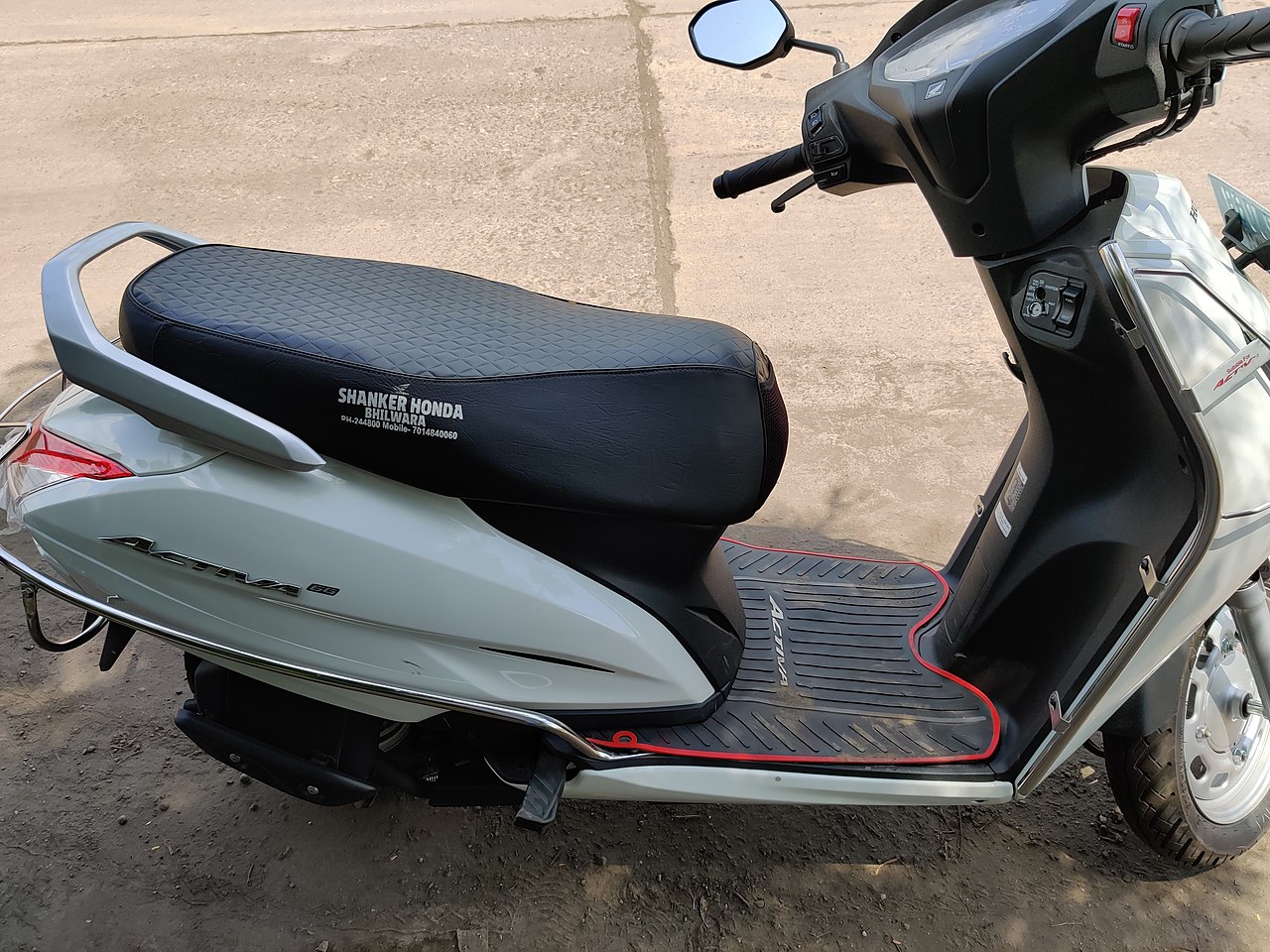
Two-wheelers still outsell cars more than four to one, a reminder of just how central the scooter and the commuter bike are to daily life in India, from weaving through city traffic to running a small business on two wheels. The Honda Activa remains the segment’s biggest name, and scooter demand alone grew nearly 24% year on year.
Maruti’s milestone, and who else is winning
Maruti Suzuki did not just grow, it became the first Indian passenger vehicle brand to cross 2 lakh units sold in a single month, up 42.4% from last July. Small cars grew 34% and SUVs 44%, which tells you Maruti’s newer SUV-leaning lineup is finally pulling its weight alongside the old hatchback and sedan favourites.
| Manufacturer | July 2026 sales | YoY growth |
| Maruti Suzuki | 2,00,123 units | +42.4% |
| Tata Motors | 62,611 units | +58.4% |
| Mahindra & Mahindra | 60,048 units | +20.4% |
| Hyundai Motor India | 54,210 units | +23.3% |
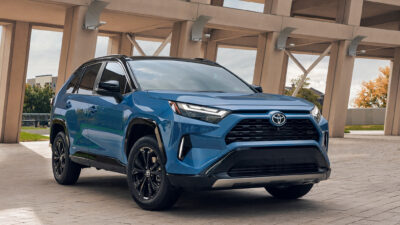
| Toyota Kirloskar Motor | 30,516 units | +4.7% |
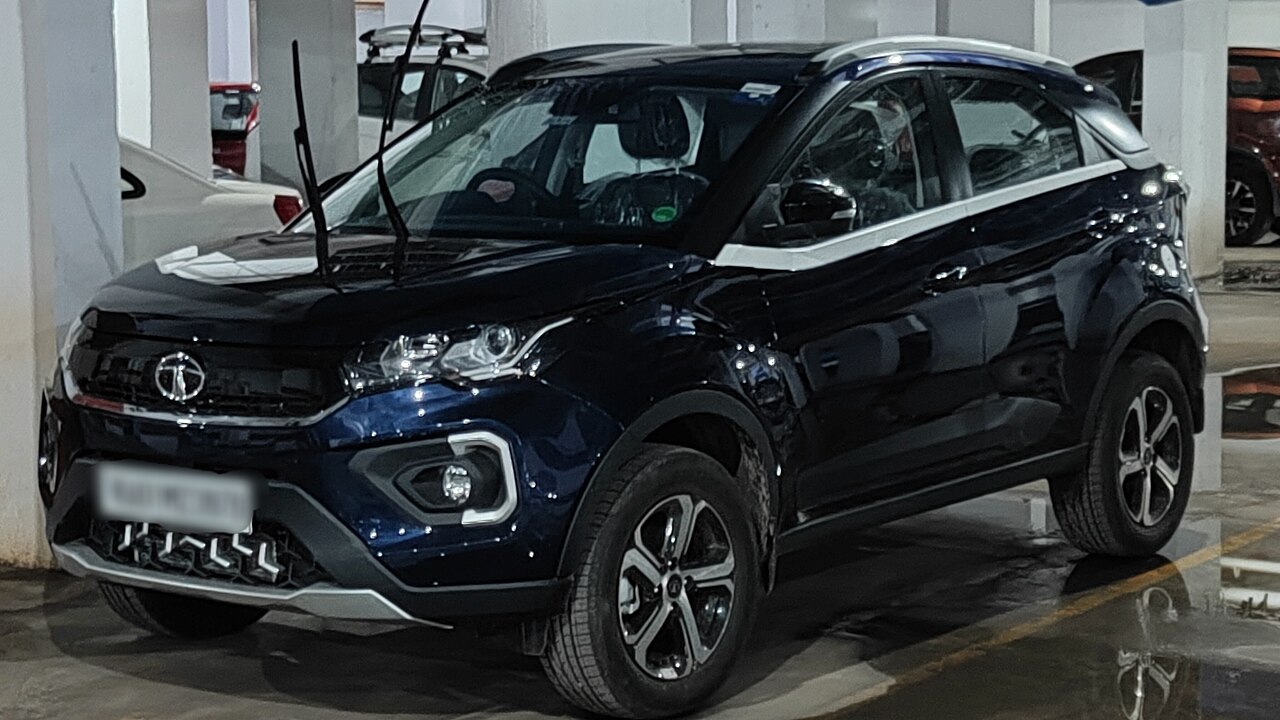
Tata’s 58.4% jump is the standout here, and SUVs are doing the heavy lifting, with the Tata Nexon continuing to be one of the brand’s biggest volume drivers. Nissan and MG posted even sharper percentage gains off smaller bases, up 218% and 22% respectively, which shows just how broad this recovery is, it is not just the two or three biggest names growing.
What is actually pushing this
This is not a random blip. A few real, traceable causes stack up together. GST rationalisation earlier this year made several vehicles cheaper on paper. The RBI has been cutting the repo rate, which lowers the interest cost on your car loan, so your EMI (the fixed monthly payment you make on a loan) drops for the same amount borrowed. Add income tax relief that leaves first-time buyers with more spare cash, and a delayed monsoon that kept dealership footfall from getting washed out, and you get a genuine, broad-based demand recovery rather than a manufacturer-side blip.
The catch worth knowing before you buy
Here is the number that should actually shape your buying decision. SIAM’s figures are wholesale dispatches, what factories ship to dealers, not what customers are actually driving home. Retail registrations for July came in lower, around 4.16 lakh passenger vehicles against SIAM’s 4.58 lakh wholesale figure. Dealers are stocking up hard for the festive season, and when wholesale runs well ahead of retail for long enough, it usually means one thing for you: heavier discounts and better negotiating room as showrooms work to clear that inventory before Dussehra and Diwali.
If a lower interest rate has you rethinking the numbers on a purchase, it is worth running your own EMI math before you walk into a showroom this festive season, our EMI calculator is a good place to start.