



































Every new vehicle buyer in India now pays for extra years of mandatory third-party cover upfront. Here’s what it actually costs you.
If you are planning to buy a new car or bike anytime soon, your on-road price just quietly went up. On August 4, 2026, the Supreme Court ordered that mandatory third-party insurance, the basic cover that pays for damage or injury you cause to someone else, must now be bought for longer periods upfront. Cars go from 3 years to 4 years. Two-wheelers go from 5 years to 6 years. You do not get a choice in this, it is baked into the purchase the moment the rule kicks in at your dealership.
The bench of Justice Sanjay Karol and Justice Prashant Kumar Mishra passed the order while hearing a compensation case, and the reasoning is blunt: roughly 56 percent of vehicles on Indian roads are running around with no valid insurance at all. That is not a small compliance gap, it is over half the country’s vehicles. The court’s fix is to lock in years of cover at the time of sale, so nobody can simply skip renewal a year or two down the line.
What changes at the showroom
| Vehicle type | Old mandatory tenure | New mandatory tenure |
| New cars | 3 years | 4 years |
| New two-wheelers | 5 years | 6 years |
Here is the important bit: your annual premium itself is not going up. What changes is how many years of that premium you pay in one shot at purchase. Insurers haven’t published final numbers yet since IRDAI (the insurance regulator) still has to issue implementation guidelines, but going by current third-party premium slabs, expect somewhere between ₹600 and ₹1,500 extra upfront on a typical two-wheeler, and a few thousand rupees more on a car, depending on engine size. Not life-changing money, but enough to nudge your final on-road price and your EMI math if you are financing the purchase.
Why this hits two-wheelers harder
Two-wheelers make up the vast majority of vehicles sold in India, and they are also the segment where insurance lapses the most, people renew a car policy without thinking twice but let a scooter’s cover slide once the first mandatory period runs out. That is exactly the gap the extra year is aimed at closing. The court also floated a “no insurance, no fuel” pilot, where fuel stations could eventually check your insurance status before filling your tank, though for now that stays a proposal, not a rule.
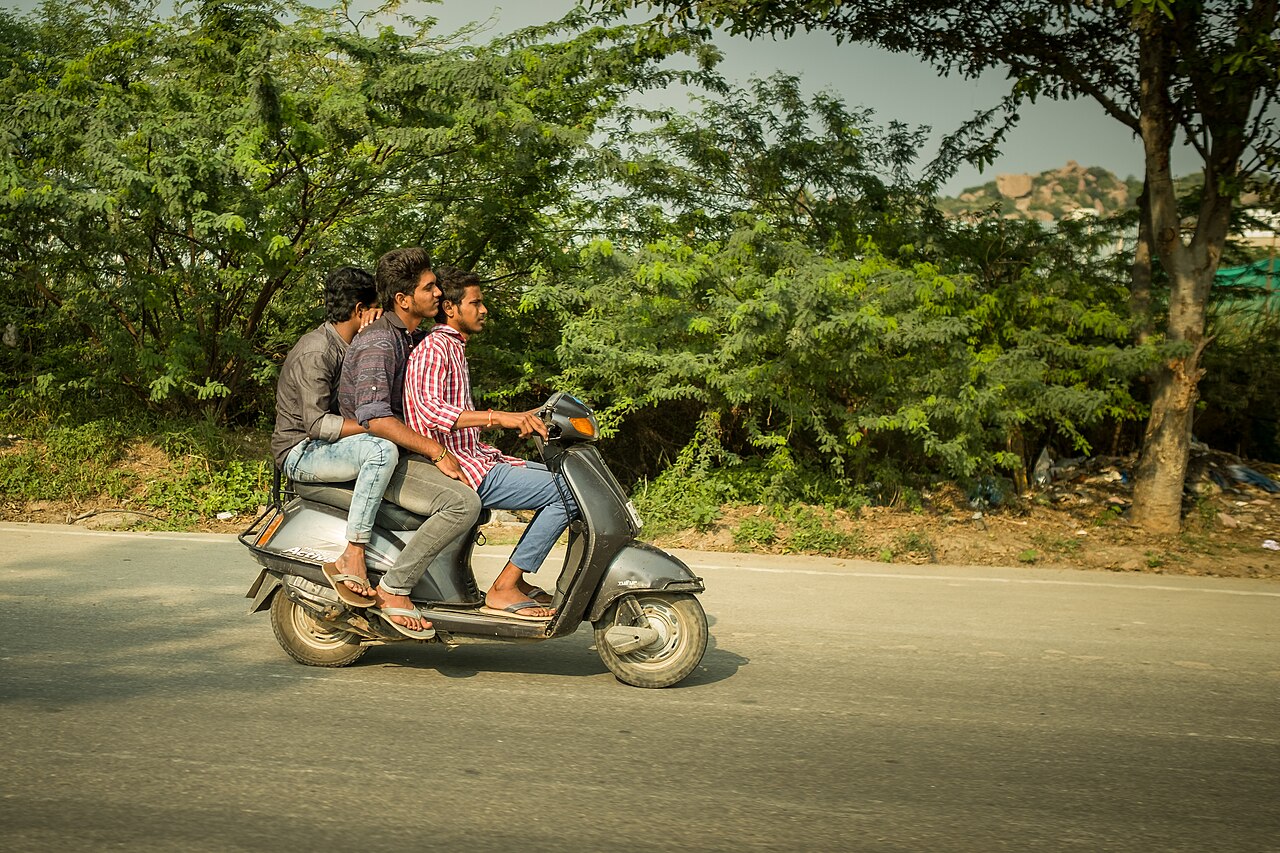
The court isn’t raising your premium, it’s just making sure you can’t quietly stop paying for cover after a year or two.
What to actually do about it
If you already own a vehicle, nothing changes for you right now, this order applies to new vehicles purchased after the directions are implemented, not existing policies. If you are shopping for a new car or bike in the coming weeks, budget for the extra upfront cost when you’re working out your down payment and EMI, and don’t be surprised if your dealer’s on-road price quote looks slightly different from what you saw last month. Ask your dealer specifically whether the quote already includes the new tenure, some showrooms will be faster to update their systems than others.


