






































Britain just sold more electric cars in a single month than ever before. Nearly 100,000 battery electric cars were registered in the UK in September, a record, and it happened in the same month official data confirmed the country is still falling well short of the electric sales target its own government set for carmakers this year. Both things are true at once, and the gap between them is about to shape how hard automakers discount EVs between now and Christmas.
The numbers come from the Society of Motor Manufacturers and Traders (SMMT), the UK car industry’s official body, published on October 2. It matters beyond Britain because the UK is one of Europe’s biggest car markets and runs one of the world’s strictest EV sales mandates, a policy other countries are watching as they set their own targets.
The Numbers That Just Landed
Total new car registrations in the UK hit 350,518 units in September, up 12.1% from a year earlier, the strongest September since 2017. September is always Britain’s biggest sales month because of a quirk unique to the market: new number plates are issued twice a year, in March and September, and the plate carries the year, so buyers rush to register before the old plate starts looking dated at resale.
Battery electric vehicles, or BEVs (cars running purely on a battery, no petrol engine at all), were the standout. 99,199 were registered in the month, up 36.3% year on year and an all-time high for any single month. Plug-in hybrids (PHEVs, which pair a battery with a petrol engine and can run on electric power alone for short trips) jumped 55.7% to a record 17% share. Here is how the month broke down by fuel type:
| Fuel Type | September 2026 | Market Share | YoY Change |
| Petrol | 131,861 | 37.6% | -6.7% |
| Battery Electric (BEV) | 99,199 | 28.3% | +36.3% |
| Plug-in Hybrid (PHEV) | 59,563 | 17.0% | +55.7% |
| Hybrid (HEV) | 45,838 | 13.1% | -4.2% |
| Diesel | 14,057 | 4.0% | +11.5% |
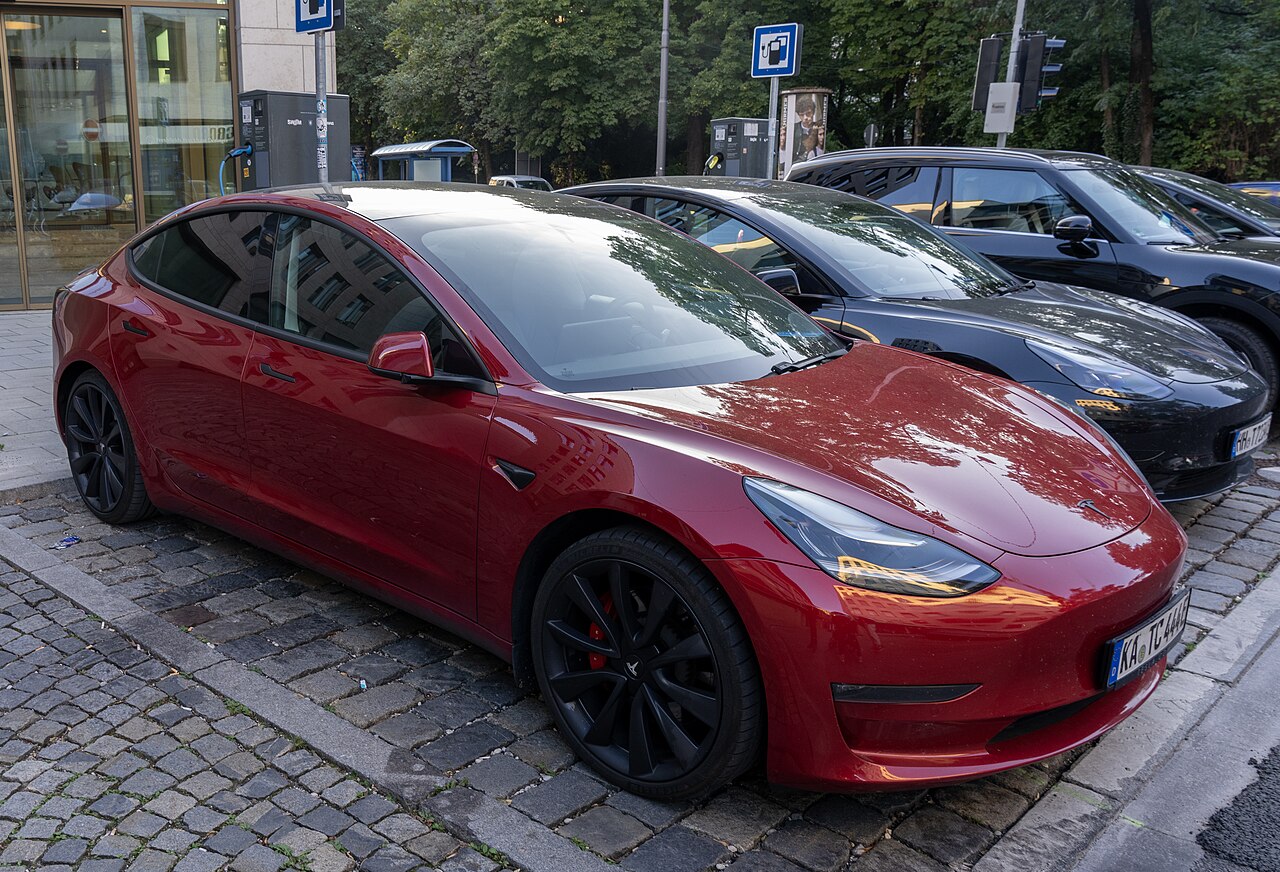
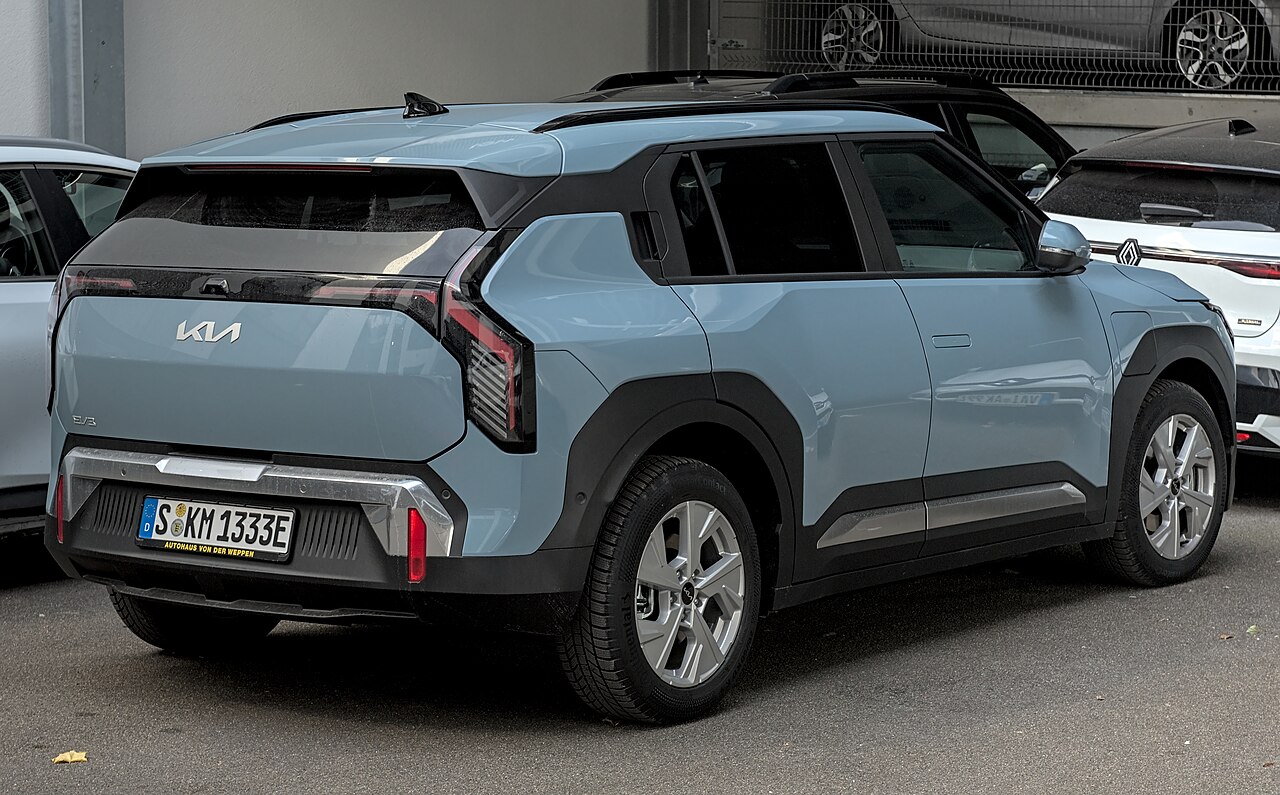
Electrified cars (BEV, PHEV and hybrid combined) took 58.4% of the entire market, also a record. Tesla’s Model 3 was the best-selling EV of the month with 9,929 units, ahead of the Tesla Model Y and two BYD models, the Sealion 7 and the Seal, with Kia’s compact EV3 rounding out the top five.
Why September Looked So Good
SMMT chief executive Mike Hawes credited a widening range of EV models and high fuel prices for pushing more drivers toward electric. “September’s record EV performance is a major achievement,” Hawes said. “Drivers are increasingly embracing the growing choice of models made available and high fuel prices are also undoubtedly giving more consumers reason to consider going electric.”
There is also a less flattering reason behind the surge: heavy manufacturer discounting. UK carmakers must hit a minimum share of zero-emission sales every year under the Zero Emission Vehicle (ZEV) Mandate, and with the year winding down, several brands have been cutting EV prices hard to close the gap before December 31, when the annual scorecard is totted up.
The Catch: Britain Is Still Behind Its Own Target
Here is the part that keeps the industry worried. The UK’s 2026 ZEV Mandate requires BEVs to make up 33% of each manufacturer’s new car sales for the full year. Year-to-date through September, BEVs sit at 26.2% of the market, which is up sharply from 20.2% at the same point in 2025, but still well short. SMMT calculates that, based on a projected full-year market of roughly 2.183 million cars, the industry needs an additional 265,000 BEV registrations in the final quarter alone just to hit the line. For comparison, that is close to the UK’s entire BEV volume for all of 2023.
Manufacturers who fall short do not necessarily write a check immediately. The government has built in flexibilities: a carmaker can “borrow” credits against future years, earn credits for cleaning up its non-electric fleet against a 2021 baseline (now extended to 2029), or trade credits between its car and van businesses. Only if a manufacturer is still short after using those tools does a fine apply, and even that has been softened, cut from an original £15,000 per missing car to £12,000. Most big brands are expected to avoid paying fines outright this year by leaning on credits and discounting instead, which is precisely why EV showroom prices have been falling all autumn.
“Despite all these factors, uptake remains behind mandated targets and, whilst flexibilities help, the UK still has the world’s toughest targets and highest energy costs,” said Hawes, adding that a government review of the mandate is “an opportunity to review those factors, to build on this momentum and support consumers but, in doing so, strengthen business viability and UK competitiveness.”
What Happens Next
Expect the discounting to intensify, not ease off, through October, November and December. Needing 265,000 more BEV sales in three months is a steep ask when September itself, the biggest month of the year, produced under 100,000. Most manufacturers will lean on the credit system rather than hit 33% through sales alone, but the pressure still pushes EV prices down for anyone shopping in the UK this quarter. The mandate is also under formal government review, and September’s numbers, a record in volume but a miss on share, make the case for both sides of that debate: EV advocates point to 36% growth as proof the market is working, while carmakers use the mandate gap to argue the targets are too aggressive for what UK buyers are actually willing to spend.
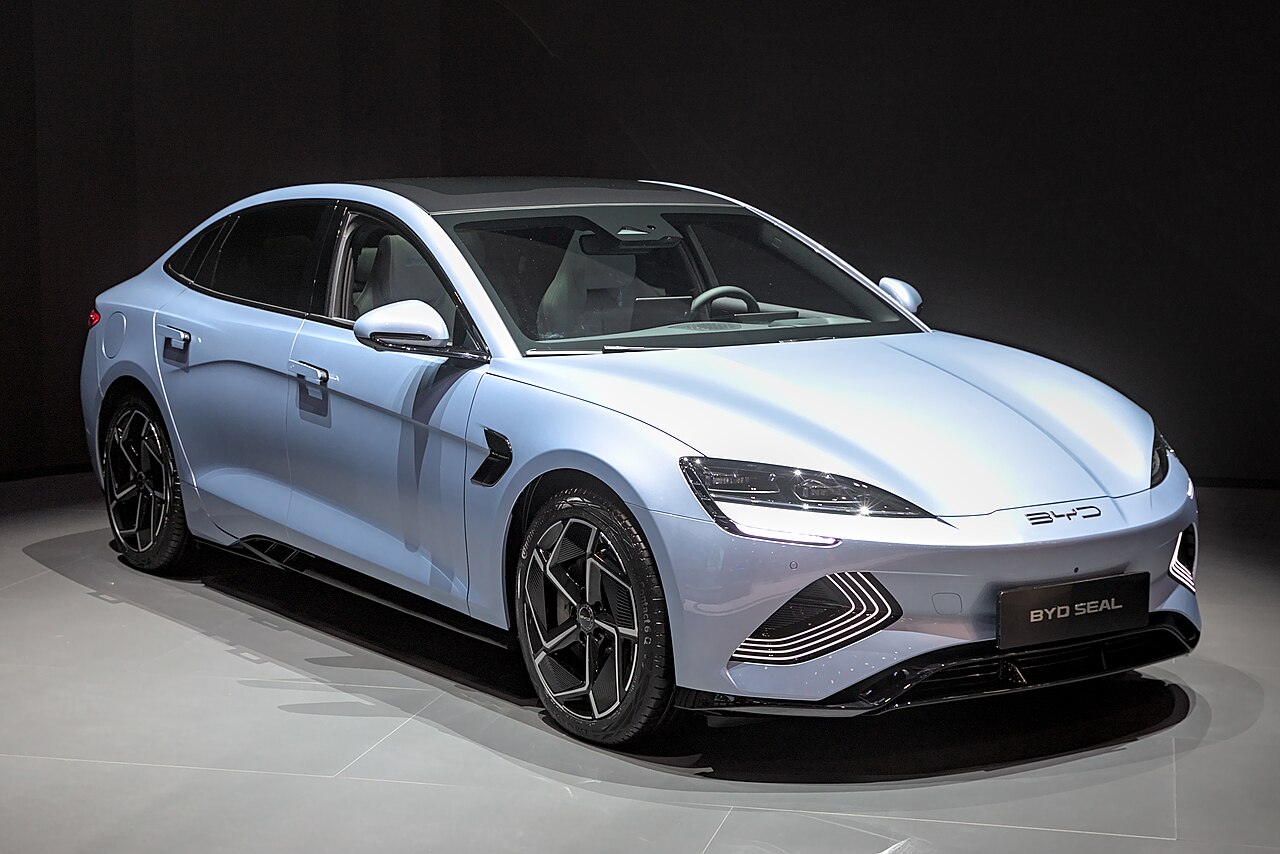
One of the cars behind September’s numbers has a direct India link: the BYD Seal, which placed among the UK’s top five electric sellers, is also sold here, a reminder of how globally BYD is now chasing Tesla. India itself has no equivalent binding sales-mix mandate forcing automakers toward a fixed EV percentage; its push has leaned on upfront subsidies and state incentives instead, and adoption here is still led by two-wheelers and autorickshaws rather than passenger cars. The UK’s experiment, record sales sitting alongside a missed target, is effectively a live test of what happens when a government sets a hard numerical line for an industry to hit.


