
































Indian car dealers are sitting on 43 to 45 days of unsold stock this Navratri, more than double the 21-day level FADA considers healthy. That is bad news for dealers and good news for you: a buyer who negotiates this week, before the Dhanteras delivery rush, has more real leverage than one who waits.
FADA (the Federation of Automobile Dealers Associations) published its September 2026 retail numbers on 6 October, and the headline is a record month. Underneath it is a dealer network that cannot move the metal it already has.
What FADA’s September Numbers Actually Show
| Metric | September 2026 |
| Total retail sales | 25,36,920 units |
| Year-on-year growth | +31.82%, called “the most base-distorted print of the year” by FADA president Sai Giridhar |
| Month-on-month growth | +4.69% over August |
| Two-wheeler retail growth | +33.08% YoY, best-ever September |
| Passenger vehicle growth | +32.10% YoY, best-ever September |
| Commercial vehicles | Crossed 1 lakh units in a September for the first time |
| Passenger vehicle dealer inventory | 43-45 days, against FADA’s recommended 21-day benchmark |
Giridhar’s own caveat matters more than the 31.82% headline: buyers delayed purchases in September 2025 ahead of the GST 2.0 rate cuts, so this September looks huge against an artificially weak base. Strip that distortion out and FADA points to roughly 17% underlying growth over the first five months of this financial year, which is strong but not record-breaking.
The number that actually affects your negotiation is the inventory figure. Passenger vehicle stock sitting on dealer forecourts is running at double the level FADA itself flags as healthy. Cars are not leaving lots fast enough, and every day they don’t move costs the dealer money in interest on the floor-plan loan that financed that stock.
Why This Changes the Dhanteras Math
We’ve written before about why Dhanteras is actually the worst single day to negotiate a car price. That argument still holds: on Dhanteras itself, every buyer wants delivery on that exact date, so dealers aren’t competing for your business, they’re just managing a delivery queue.
But that logic applies to one specific day, 6 November this year. It says nothing about the three weeks before it. Navratri (11-19 October) and the run-up to Dussehra on 20 October fall squarely inside a month where dealers are already carrying double the recommended stock, with no same-day delivery pressure forcing your hand. That is a different, and better, negotiating position than the one Dhanteras puts you in.
Which Cars Actually Have Room to Move
Inventory pileups are never even. A hot-selling trim in a popular colour clears in days; a slow-moving variant can sit for two months. The question to ask a dealer is not “what’s your best price,” it’s “how long has this specific car, this trim and this colour, been on your lot.”
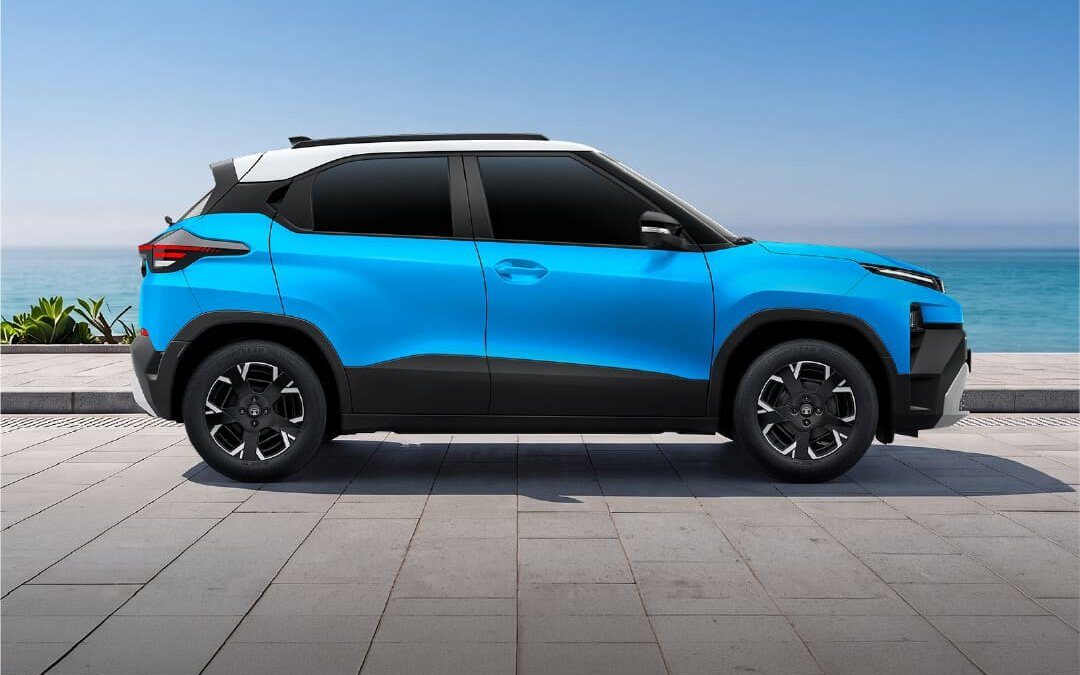
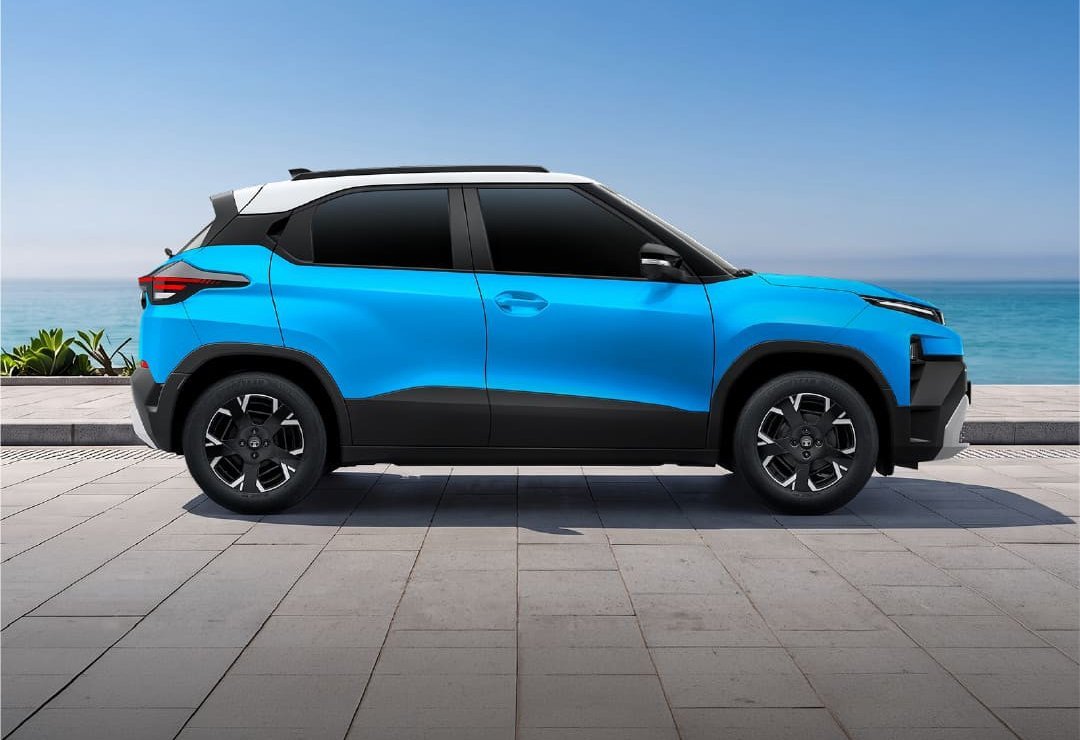
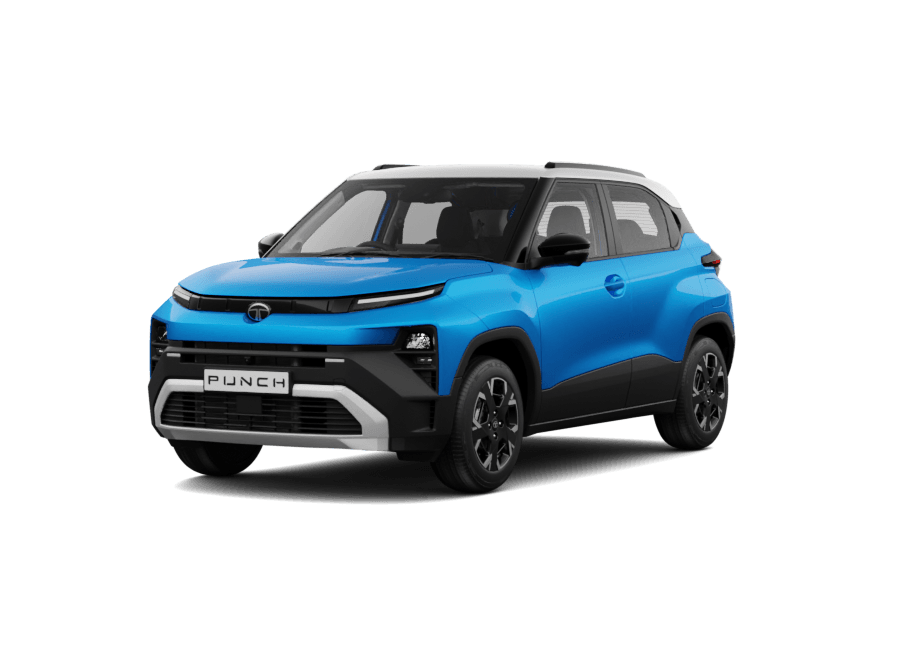
Take the Tata Punch, one of India’s best-selling compact SUVs and a genuine cross-shop against the Maruti Brezza and Hyundai Exter. Here’s what the on-road numbers actually look like right now, on The Spec’d’s own Tata Punch page:
| Variant | Ex-showroom | On-road, Mumbai | On-road, Bengaluru |
| Smart Petrol MT (base) | ₹5.75 Lakh | ₹6.73 Lakh | ₹6.92 Lakh |
| Pure+ Petrol MT (best-value pick) | ₹7.17 Lakh | ₹8.36 Lakh | ₹8.59 Lakh |
That’s a ₹19,000 gap on the identical base variant between two metros, by our Mumbai and Bengaluru on-road price pages, purely from Maharashtra’s 11% road tax against Karnataka’s 14%. On-road, insurance and EMI figures here are estimates, and the pages say so.
Which Variant Is Actually Worth Buying
Buy the Pure+ Petrol MT, not the base Smart. Tata’s own range, as listed on our Punch page, marks the Pure+ as the best-value pick of 26 versions, and the ₹1.42 lakh step over the base Smart buys you out of the stripped-down trim without pushing you into the CNG or AMT versions, which cost more and complicate the negotiation further.
On the Mumbai on-road price of ₹6.73 lakh for the base variant, our EMI calculator page works out a monthly payment of about ₹11,310 on 20% down over five years at 9.5% interest. That’s an estimate, not a lender quote, but it’s a real number to walk into a showroom with instead of trusting whatever the dealer’s finance desk offers first.
What To Actually Do This Week
Four things, in order. First, ask how long your specific trim and colour has been in stock, not the dealership’s overall inventory age. Second, compare on-road prices, not ex-showroom, if you’re near a state border; the road-tax gap alone can be worth more than a dealer’s “festive discount.” Third, stack running offers rather than assume they’re automatic: Tata’s own October scheme tops out at ₹1.25 lakh on the Curvv, and Maruti’s Nexa network has already cut its advertised offer once this month, which tells you dealers are still adjusting, not holding firm. Fourth, decide what you actually care about: if it’s price, negotiate now; if it’s an auspicious delivery date, you’ll pay for that convenience on Dhanteras itself.
Browse every car under ₹10 lakh on The Spec’d if the Punch isn’t the shape you need; the same inventory logic applies to most of that list this month.
Is Navratri a good time to buy a car in India?
For price, yes. FADA’s own September 2026 data shows dealers carrying 43-45 days of passenger vehicle stock, more than double the 21-day benchmark the body considers healthy, which gives buyers real room to negotiate before the Dhanteras delivery rush removes that leverage.
Should I wait for Dhanteras or Diwali instead?
Only if an auspicious delivery date matters more to you than price. On Dhanteras itself, every buyer wants the same delivery day, so dealers have little reason to discount further; the negotiating window is better in the weeks before it, not on the day itself.
Does more dealer inventory mean a bigger discount on every car?
No. Inventory piles up unevenly. A popular trim in a popular colour can still sell at list price, while a slow-moving variant on the same lot has been sitting for weeks. Ask about the age of the specific unit you want, not the dealership’s average.