































BMW just started building its new electric sedan. Mercedes has one too. Here’s who actually wins the spec fight, and why the numbers only tell half the story.
We told you a couple of days ago that BMW had started production on the i3, its new electric take on the 3 Series. That was the “it’s real now” story. This is the “should you actually want one” story, because the i3 doesn’t exist in a vacuum. Mercedes-Benz has already put its own electric C-Class, badged the C400, on sale to fight for the exact same buyer. Both are brand new, both are built on dedicated electric platforms instead of gas cars with batteries stuffed in, and both are aimed at people who want a proper premium sedan that happens to run on electrons.
The Numbers: BMW Wins on Paper
Start with the battery, since that’s what everything else hangs off. The i3 packs a bigger 108 kWh battery (think of kWh as the size of the fuel tank, just measured in electricity instead of litres) against the C400’s 94.5 kWh unit. That gap shows up directly in range: BMW claims 559 miles on the WLTP test cycle (the European range test, usually a bit more generous than real-world driving) against 473 miles for the Mercedes. Translate that to the stricter US EPA test and it’s roughly 440 miles for the BMW versus 400 for the Benz. Either way, you’re not range-anxious in daily use, but the BMW gives you a longer runway between charges.
Charging tells a similar story. The i3 can pull up to 400 kW from a fast charger, enough to add real range in the time it takes to grab a coffee, while the C400 tops out around 300 to 330 kW. BMW also claims the quicker 10 to 80 percent top-up. Power output is closer than you’d expect too: the C400 actually out-muscles the BMW slightly at 482 hp and 590 lb-ft of torque (torque is the twisting force that shoves you off the line, and the Benz has noticeably more of it) against the i3’s roughly 463 hp and 476 lb-ft.
| Spec | BMW i3 (Neue Klasse) | Mercedes-Benz C400 Electric |
| Battery | 108 kWh | 94.5 kWh |
| WLTP range | 559 miles | 473 miles |
| Est. EPA range | 440 miles | 400 miles |
| Power | ~463 hp | 482 hp |
| Torque | 476 lb-ft | 590 lb-ft |
| Peak DC fast charging | 400 kW | 300 to 330 kW |
Where Mercedes Fights Back
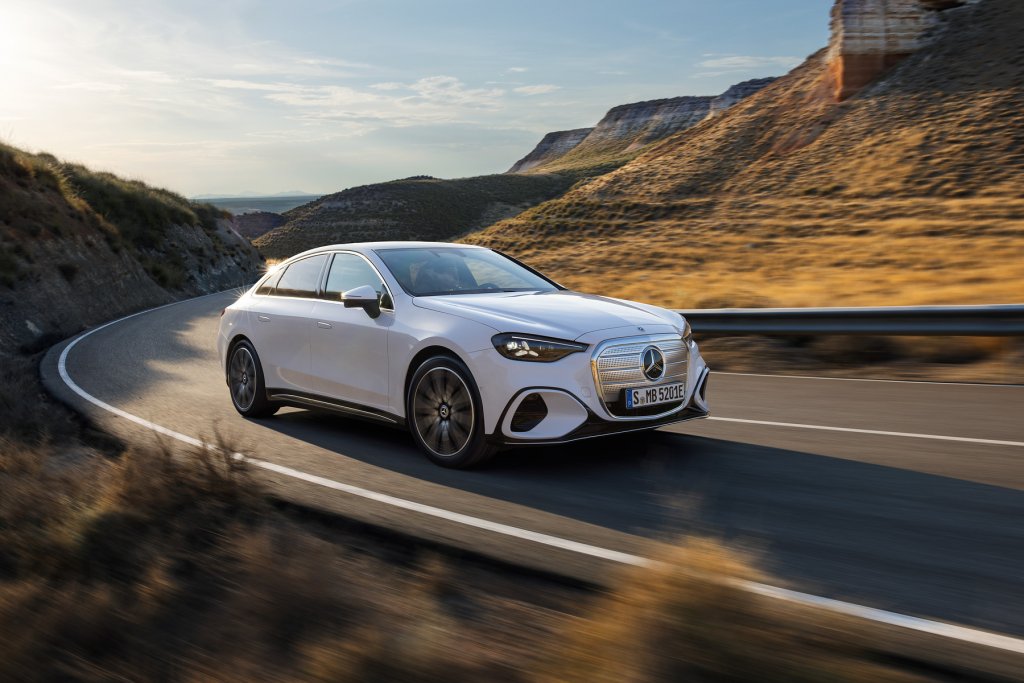
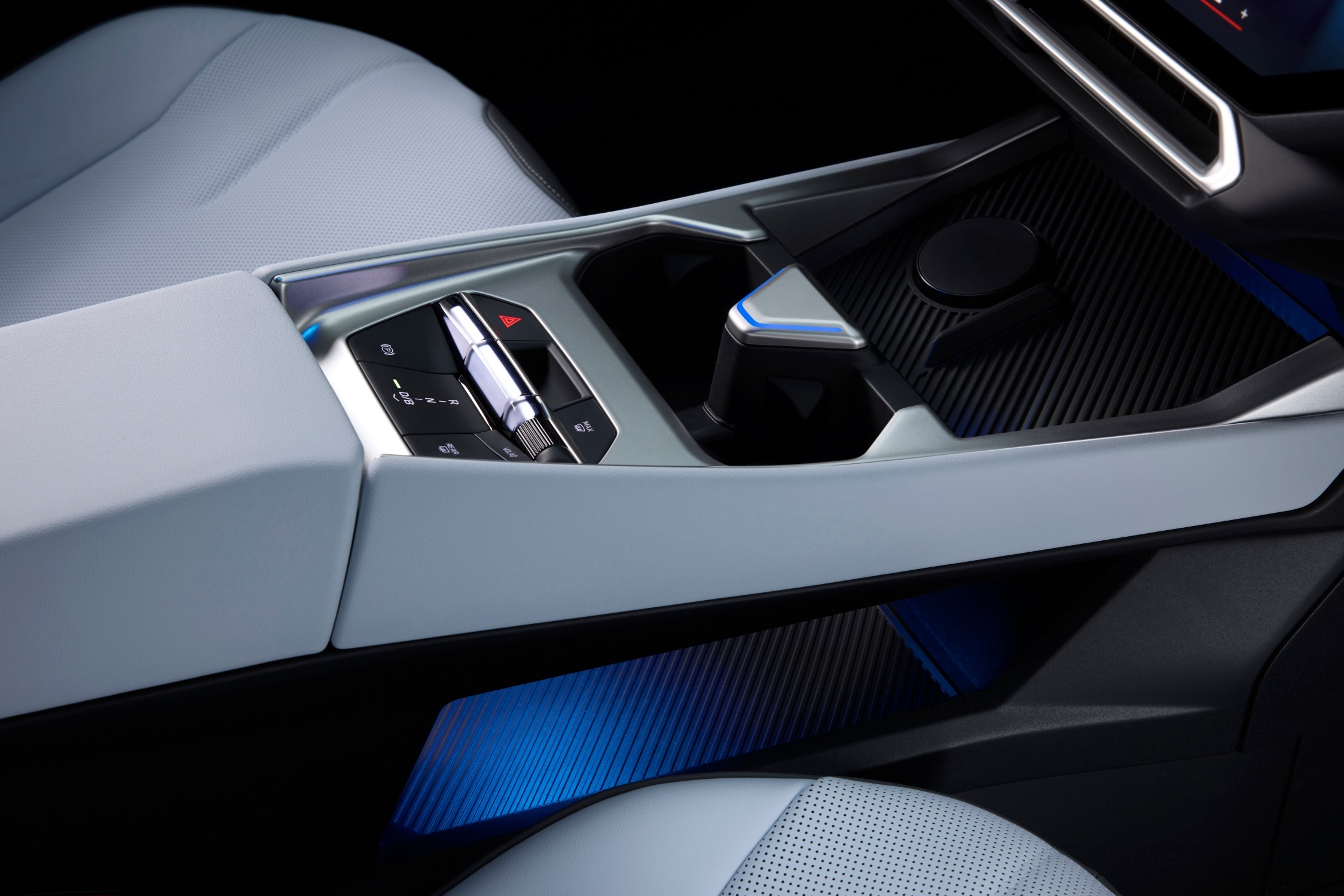
If you stopped at the spec sheet, this would be a quick win for BMW. But Mercedes isn’t playing the same game. The C400 comes with optional air suspension and rear-axle steering that can turn the rear wheels a few degrees, which tightens the turning circle at low speed and adds stability at high speed, tricks usually reserved for cars costing twice as much. Inside, it gets a 39.1-inch display that stretches across the entire dashboard, versus the i3’s smaller 17.9-inch central screen paired with a head-up projection on the windscreen itself. Mercedes is betting buyers want to feel cosseted. BMW is betting they want the biggest range number and the fastest charge time.
Judge this purely on range, charging speed and outright numbers, and the i3 takes it. Judge it on ride comfort, cabin tech and that traditional big-sedan feeling, and the C400 has a real case. Neither one is the wrong answer, they’re just answering a different question.
Neither car has confirmed India plans yet, and don’t expect either to show up here anytime soon at these prices. But the platforms underneath both cars will trickle down into models that do matter for us eventually, so it’s worth knowing who’s actually ahead. Right now, that’s BMW, on paper. Whether that paper lead survives an actual back to back test drive is the story we’ll be chasing next.

