




















Volkswagen wants to freeze pay for its entire global workforce, all 660,000 people, for the next six years. That is not a typo. According to internal documents reported by German newspaper Süddeutsche Zeitung and confirmed by the company’s Global Works Council on October 19, the executive board is planning new management guidelines that hold base salaries flat worldwide through 2030, alongside cuts to bonuses, special payments and benefits.
This is not the same deal you might remember from December 2024, when Volkswagen and its German unions agreed to a pay freeze covering 120,000 workers at home in exchange for a promise of no forced layoffs. This new plan is bigger in every direction: it covers the whole group, in every country VW operates in, not just Germany, and it comes on top of job cuts that are already underway. For a company fighting to stay profitable through the most expensive technology shift the car industry has ever faced, that distinction matters. This is VW trying to claw back cost from its own people on a scale it has never attempted before.
What is actually being frozen, and from when
The new guidelines are set to take effect from the fourth quarter of this year. Base pay stays flat through 2030: no annual raises, no cost-of-living adjustments, for six straight years. On top of that, variable pay, special one-time payments and some employee benefits are also on the table for cuts. Süddeutsche Zeitung’s own estimate is that once you account for inflation, affected staff could see their real income fall by around 10 percent over the freeze period. That is before you factor in the separate job cuts the guidelines are also said to include.
Nobody has published an exact euro figure for how much this is meant to save. But context tells you the scale VW is chasing: the company already has a 16 billion euro cost-cutting program running through 2030, aimed at trimming up to 60,000 jobs, which we covered when that price tag was confirmed last month. A worldwide pay freeze reads like the next lever in that same program, not a separate crisis.
Why Volkswagen is doing this now
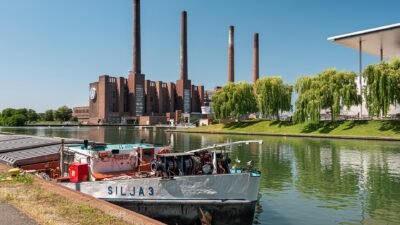
Group CEO Oliver Blume has spent the last year running what people inside the company are calling the most radical restructuring in Volkswagen’s history, and the numbers explain why. We’ve tracked this all year: the board approved 50,000 job cuts and confirmed the Seat brand would wind down by 2029, Wolfsburg’s own output was cut to 580,000 cars as the plant juggled falling petrol-car demand against rising EV orders, and in September the group slashed its full-year profit guidance all the way down to just 1 percent, largely because of a 10 billion euro writedown tied to Porsche.
Layer onto that the cost of switching an entire product range to electric power almost simultaneously across a dozen brands, falling sales in China (VW’s most important market a decade ago, now one where homegrown brands like BYD are eating its lunch), and a German manufacturing base that is structurally among the most expensive in the world to run, and a flat decade of pay starts to look less like a punishment and more like survival math. Mercedes-Benz and BMW are living versions of the same story: Mercedes has warned it may close a German plant outright unless costs fall, and BMW has already cut its own profit margin target and confirmed 8,000 German job losses. Volkswagen’s freeze is simply the boldest version of a move the whole German auto industry is being forced into at once.
How the workforce is pushing back
Volkswagen itself has not confirmed the plan on the record. Asked about it, a company spokesperson said only that a fresh round of talks later this week would be “the right forum” for any proposals on labour costs, declining to comment on what it called “speculation.” That is corporate-speak for “yes, but we’re not saying so yet.”
The Global Works Council, which represents VW employees across the group and says it obtained the internal planning documents itself, was far more direct. It called the executive board’s approach “absurd” and warned that actually implementing it would be “rather unrealistic,” language that signals a fight is coming, not a quiet rollover. Germany’s powerful IG Metall union, which has negotiated every major Volkswagen labour deal for decades, put it even more plainly: pay at Volkswagen gets decided at the negotiating table, the union said, not handed down by decree from the executive boardroom. Given that IG Metall has previously forced VW to redraw cost-cutting plans it didn’t like, that is a real threat, not a formality.
“At Volkswagen, pay development is decided at the negotiating table, not by decree from the executive boardroom,” IG Metall said, responding to the leaked freeze plan.
What this means next
Nothing here is finalised. The guidelines are reportedly set to kick in from Q4 of this year, but with the Global Works Council already calling implementation unrealistic and IG Metall drawing a hard line on negotiation, this is almost certainly headed for a messy winter of talks rather than a clean rollout. Watch for VW’s own confirmation or denial to land this week, since that is the forum the company itself pointed to.
Step back, though, and the bigger picture is the one worth remembering: the company that invented the idea of the people’s car is now asking the people who build it to go six years without a raise, while it tries to fund an EV transition that every legacy automaker is discovering costs far more than anyone budgeted for. If Volkswagen, with its scale and its brand portfolio stretching from Skoda to Lamborghini, is reaching for a lever this blunt, it is a signal of how tight margins have become across the entire industry, not just in Wolfsburg.