





















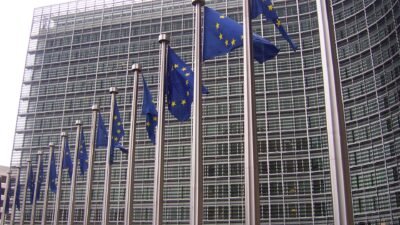
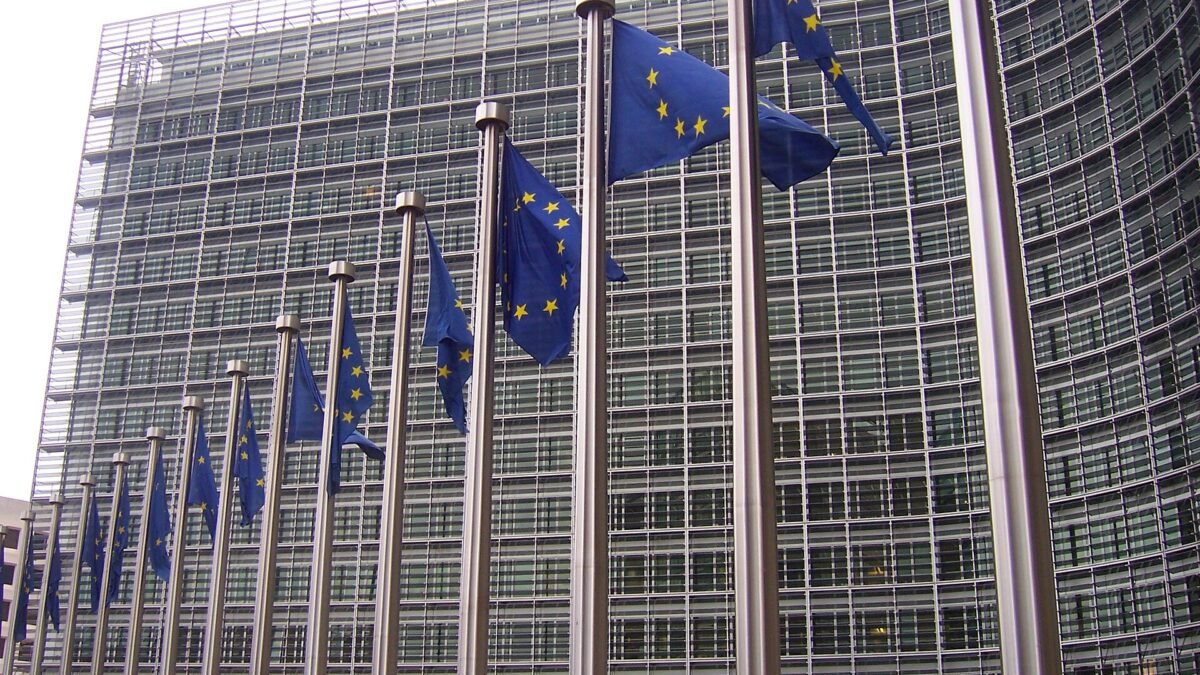
Europe’s two biggest carmaking nations just took the teeth out of the EU’s plan to effectively ban new petrol and diesel cars from 2035. On October 16, 2026, France and Germany published a joint paper that would let automakers keep selling combustion and hybrid cars well past that deadline, as long as they cut fleet average CO2 emissions by 90 percent instead of 100 percent, and without having to offset the remaining 10 percent at all.
That sounds like bureaucratic fine print, but it is not. The original rule, agreed back in 2023, required a 100 percent cut in fleet CO2 from 2021 levels by 2035, which in practice meant no new pure petrol or diesel car could legally be sold in the EU from that year. Knock 10 percentage points off that target and remove the offset requirement, and suddenly carmakers have real room to keep selling hybrids, and in some cases combustion cars running on biofuels or e-fuels, with no fine attached. German Chancellor Friedrich Merz did not mince words about what this means: “This puts an end to talk of the phase-out of conventional vehicles.”
What actually changes
The Franco-German paper, titled “Securing the future of the European automotive industry,” targets three specific levers in Brussels’ 2035 rulebook.
| Rule | Before this deal | After this deal |
| Fleet CO2 cut by 2035 | 100%, no new combustion-only cars | 90%, hybrids and alt-fuel cars can keep selling |
| Offsetting the remainder | Required, via low-carbon steel, e-fuels, biofuels | Not required for the leftover 10% |
| Hybrid treatment | Phased out alongside petrol and diesel | Extra flexibility through early 2030 |
| Corporate EV fleet quotas | Binding targets | Converted to non-binding goals |
Some German outlets, citing a Handelsblatt report, say the two governments are quietly pushing for an even softer effective target near 80 percent once renewable-fuel flexibility is factored in. Berlin and Paris have not confirmed that number publicly, so treat 90 percent as the figure actually on the table.
Why now, and why Germany bent first
This fight has been running for years, but the politics just flipped. Until this week, France stood with six other countries, Sweden, Spain, Denmark, Luxembourg, the Netherlands and Portugal, in a blocking minority that kept the original 2035 target intact against German pressure. France switching sides is the actual news here: it likely hands Berlin the majority it has wanted since the Commission first proposed the rule.
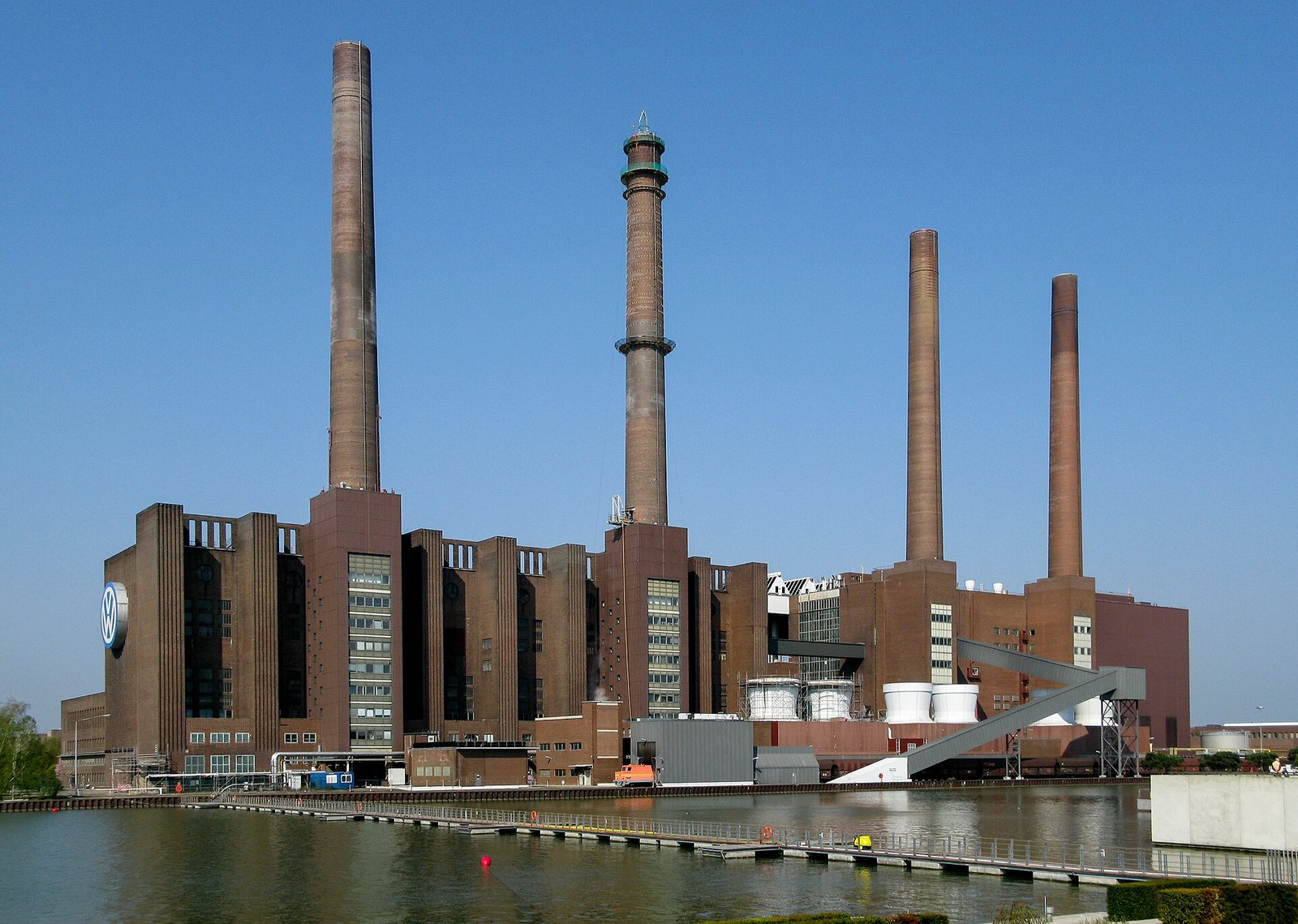
Germany’s case has always rested on two numbers that keep getting worse: Chinese EV market share in Europe, and the health of its own carmakers. BMW, Mercedes-Benz and Volkswagen have all cut profit targets and jobs this year, partly because Chinese brands keep undercutting them on price in the one segment, EVs, that the old rules forced everyone toward. Federal Environment Minister Carsten Schneider framed the deal as a way to let the industry “invest in electrical mobility and sites in Europe” on its own schedule. Macron has said little publicly beyond agreeing to the paper, a notable reversal after years of France pushing to keep the ban firm.
The real trade: a shield against Chinese EVs
Germany did not get this for nothing. In exchange, it accepted a tougher “Made in Europe” standard that France has wanted for longer: public subsidies and state support for the auto sector would be tied to production actually happening inside the EU’s 27 members, or in named partner countries like the UK and Norway. Components for strategically important parts of the supply chain would have to be sourced in Europe too.
That is aimed squarely at Chinese manufacturers already building European capacity to get around exactly this kind of rule. Changan plans to build 180,000 cars a year in Europe by 2028, rising to 350,000 by 2030, and BYD, MG and Xpeng are all adding local assembly. Easing the emissions deadline without a local-content rule would have let Chinese EV and hybrid imports simply fill the gap. With it, at least the subsidy taps stay pointed at factories on EU soil.
What still has to happen
None of this is law yet. It is a joint political position from two governments, not an approved text. To actually change the 2035 rule, it needs to clear both the European Parliament and a qualified majority of EU states in the Council, the same two bodies that locked in the original 100 percent target in 2023. France’s switch makes that majority plausible for the first time, but Sweden and the Netherlands, among others, have not signed on and could still object. Expect this to run through Brussels committees well into 2027.
It lands just two weeks after petrol and diesel cars dropped below half of global sales for the first time, and soon after the UK posted record EV sales while still missing its own mandate. The pattern across Europe is consistent: EVs are growing fast, just not fast enough to hit targets set years ago, so politicians are rewriting the targets instead.
Does this touch India?
Not directly. India sets its own emissions and EV timelines and has no obligation to follow Brussels. But the ripple matters if you watch brands that sell here. Volkswagen Group, Mercedes-Benz and Renault-Nissan all build diesel and hybrid platforms that eventually show up in Indian showrooms in some form. A softer EU deadline gives these groups more runway to keep developing those combustion and hybrid powertrains globally, instead of sinking every engineering rupee into EV-only platforms on a fixed clock. A small, indirect effect, but a real one for any VW, Skoda, Mercedes or Renault badge on an Indian road.
The arithmetic, 90 percent instead of 100, sounds like a technicality. It is not. It is Europe’s two biggest carmaking nations telling Brussels, and the rest of the world, that the 2035 combustion engine ban as originally written is dead in everything but name.
Whether this survives Parliament and the Council intact is still an open question. But the direction of travel just became unmistakable: hybrids are safe well into the next decade, diesel is not finished yet, and the EU’s climate ambition on cars just got traded for a shot at keeping Chinese EVs out of the subsidy line.