



















A new federal proposal would let driverless cars glow cyan when no one’s watching the road, the clearest sign yet that mass robotaxi rollout is coming.
The US government just took its clearest step yet toward letting cars drive themselves with nobody behind the wheel watching the road, and it starts with something as simple as a light colour. On October 23, 2026, the National Highway Traffic Safety Administration (NHTSA) proposed a rule change that would let driverless cars, vans and buses flash a steady cyan (a blue green shade) light whenever the vehicle, not a human, is in control. The proposal goes into the Federal Register on October 26, after which the public gets 30 days to comment before NHTSA can finalise it.
It sounds like a small detail. It is not. This is NHTSA rewriting the federal lighting rulebook, Federal Motor Vehicle Safety Standard 108 (FMVSS 108, the law that decides what every light on every car sold in America is allowed to look like) specifically to make room for cars that were never built with a steering wheel in the first place. That is the regulatory plumbing mass robotaxi deployment has been waiting on.
What NHTSA Actually Proposed
The new cyan lamps would be optional, not mandatory. Any manufacturer that wants to use them could fit one or two per side (front, rear, and both flanks), mounted at least 15 inches off the ground. A single front or rear lamp has to sit on the vehicle’s centreline; a pair has to be evenly spaced and matched in height. The lights stay on steadily rather than flashing, and they switch on only when the automated driving system (ADS, the software doing the actual driving) is in charge with no human expected to watch the road, then switch off the moment a person needs to pay attention again.
NHTSA did not pick cyan at random. Red, amber and white already mean specific things on a vehicle (brakes, turn signals, headlights) and the agency wanted a colour with no existing job. Blue green cleared that bar, and it matches what Mercedes Benz has already been running in a limited trial. Back in December 2023, Mercedes got state level approval in California and Nevada to fit turquoise marker lights to EQS and S Class sedans running its Drive Pilot system, specifically so police and other drivers could tell the car itself was steering. SAE International, the engineering body that writes a lot of the standards the whole auto industry quietly follows, had already recommended blue green as the colour for exactly this job. NHTSA’s proposal takes that patchwork of state by state permission and turns it into one federal standard every automaker can build to.
The Rest of the Proposal Quietly Matters Too
Buried in the same filing are changes that matter just as much as the lights. For vehicles with no manual driving controls at all, NHTSA wants to drop the requirement that turn signals and high beams be worked by a physical lever, since there is no driver’s hand to pull one. Dashboard warning lights that currently tell a human their indicator or high beam is on would no longer be required either, for the same reason: there is nobody looking at that dashboard. NHTSA also wants to stop requiring that a turn signal cancel itself when the steering wheel turns, because a car with no steering wheel cannot do that. On the testing side, integrated headlight assemblies could be tested at the voltage the manufacturer actually specifies rather than a fixed 12.8 volts, which matters more than it sounds for newer LED headlight designs.
Why This Lands Right on Tesla’s Doorstep
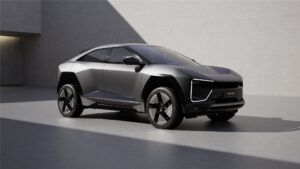
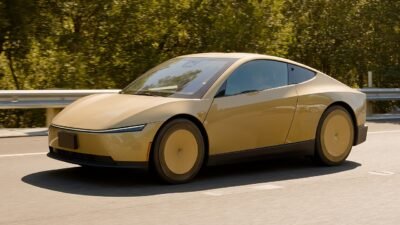
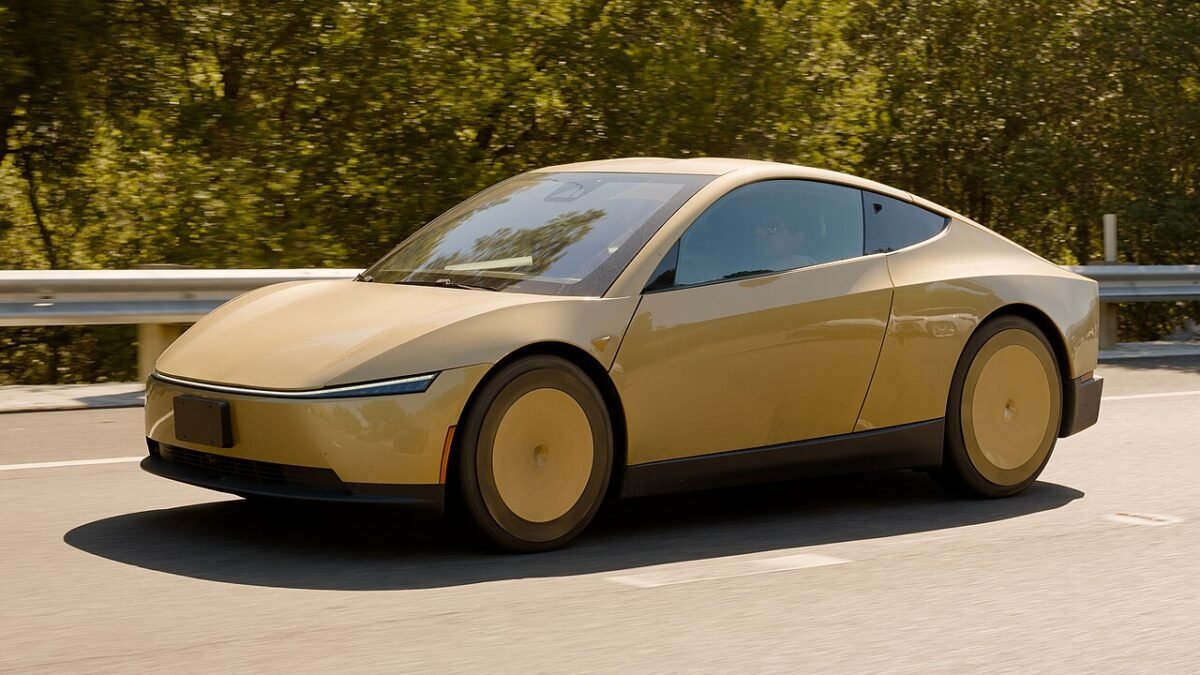
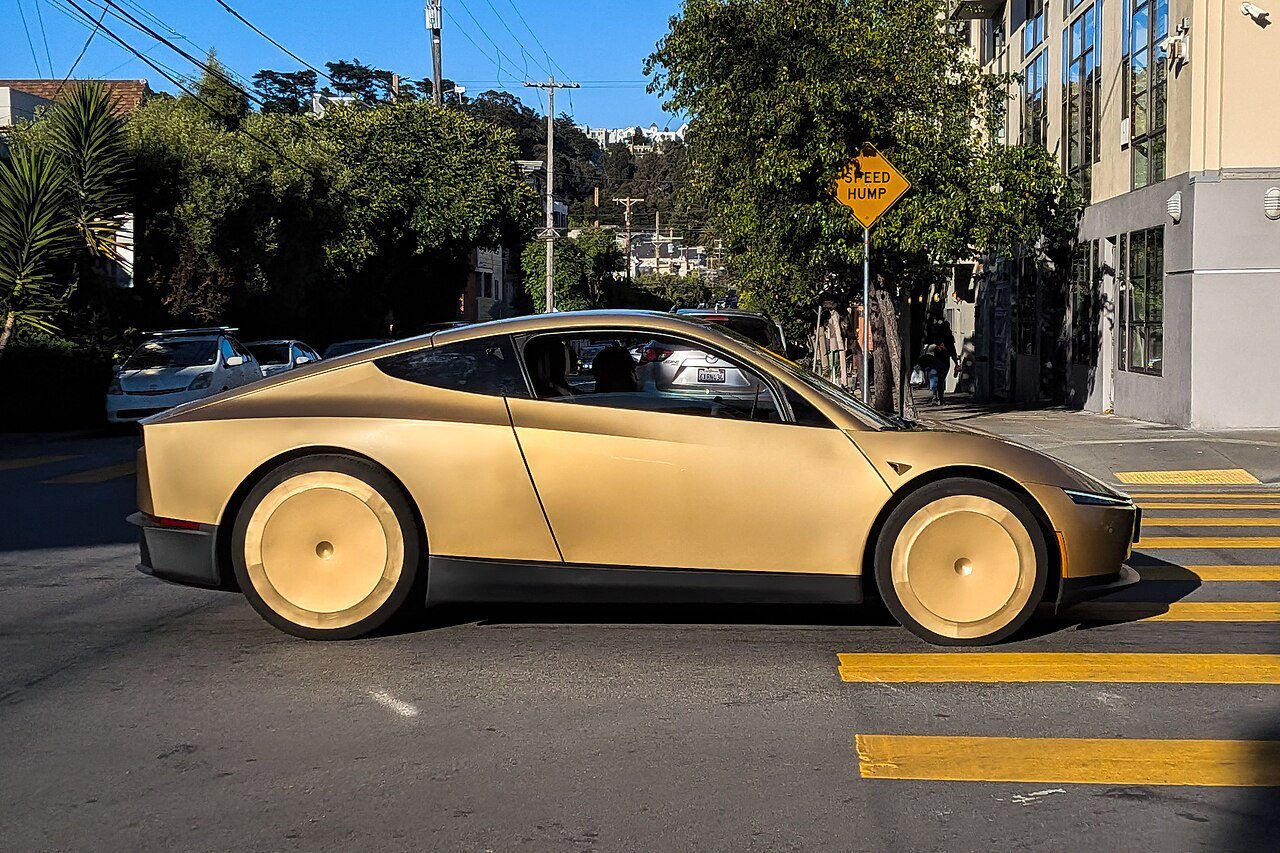
The timing is not subtle. Tesla’s two seat Cybercab, a purpose built robotaxi with no steering wheel, pedals or mirrors, has been running in Austin since September with more than 300 vehicles on the road and Dallas rides planned next. Tesla self certified that the Cybercab meets every applicable federal safety standard, which is normally how it works in America: you build the car, you say it is legal, and the government checks later rather than approving it in advance. NHTSA has an open inquiry into exactly that self certification, questioning how a vehicle with none of the controls FMVSS currently assumes a car must have can meet a standard written around those controls. The cyan light rule and the broader FMVSS 108 rewrite are NHTSA’s way of actually updating the rulebook instead of leaving manufacturers to interpret decades old text written for human drivers.
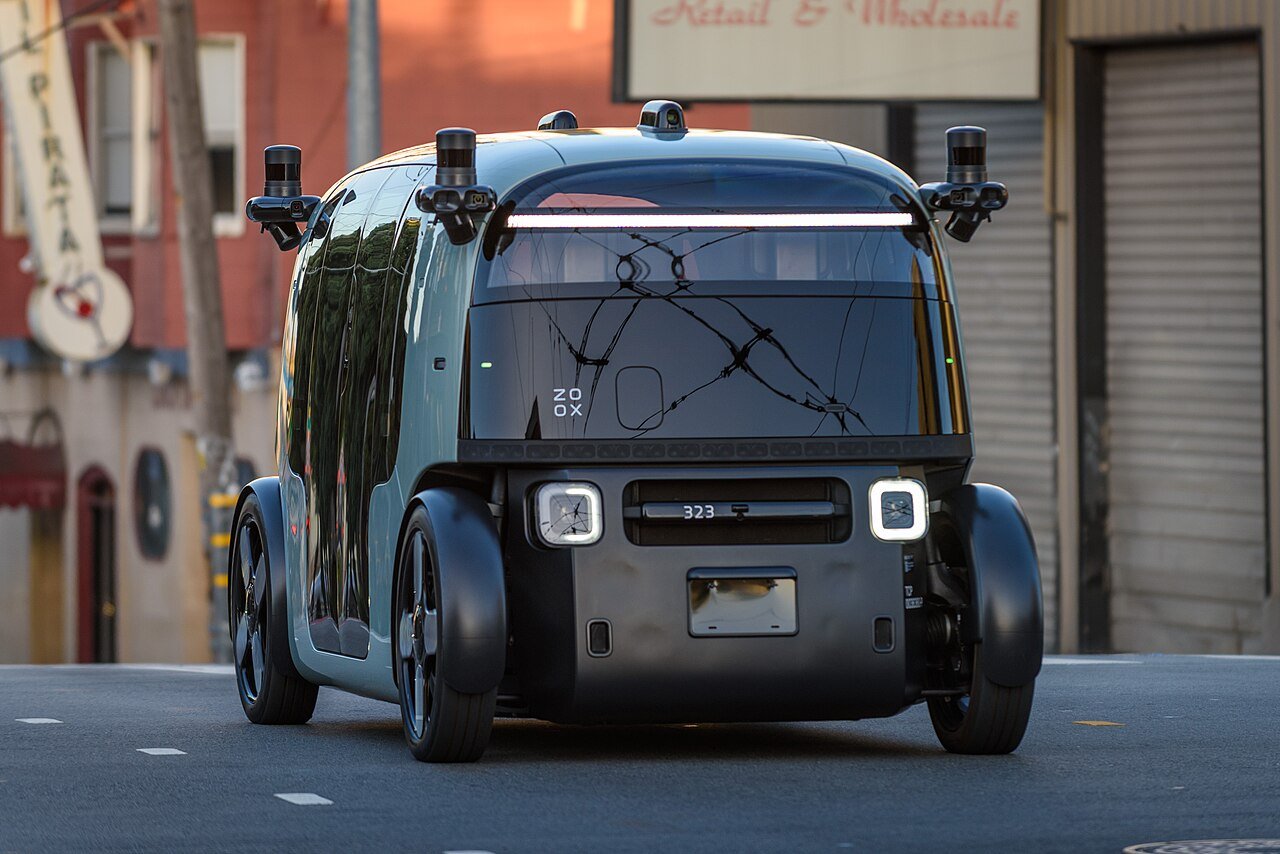
Tesla is not the only one this affects. Amazon owned Zoox runs its own no steering wheel robotaxi in Las Vegas on a temporary NHTSA exemption covering up to 2,500 vehicles a year, a workaround that exists precisely because the current rules were not written for cars like it. Waymo, Nuro, GM and Mercedes are all named in NHTSA’s filing as companies the rule change would affect. A single federal lighting standard means none of them have to lobby state by state the way Mercedes had to for its turquoise lights, and it gives police, pedestrians and other drivers one consistent signal to read instead of a different coloured light depending on which company built the car in front of them.
The verdict: this is not a flashy announcement, but it is the kind of unglamorous rulemaking that actually decides whether robotaxis can scale past a handful of pilot cities. A light colour sounds trivial until you realise the entire national fleet of driverless cars needed a legal basis to even exist.
What Happens Next
Nothing changes on the road immediately. The proposal has to run its 30 day public comment window after the October 26 Federal Register publication, and NHTSA has given no date for when it expects to finalise the rule, only that doing so is part of a broader push the agency has signalled it wants wrapped up before 2028. Automakers can still deploy driverless vehicles under existing exemptions in the meantime, which is exactly how Tesla and Zoox are operating right now. What this proposal does is give every company building a car with nobody behind the wheel a single, federally defined way to say so, out loud, in light, to everyone else on the road.