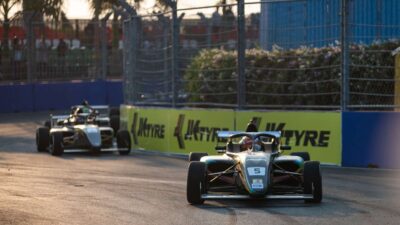



















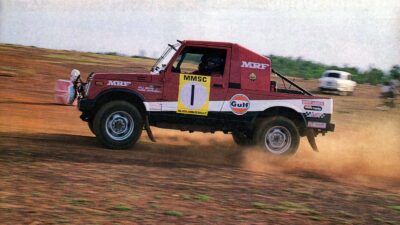
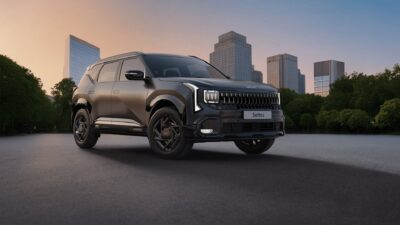
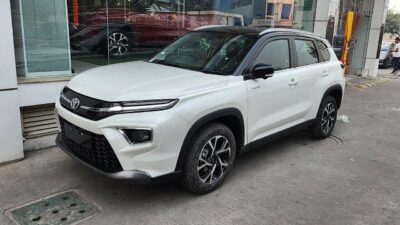
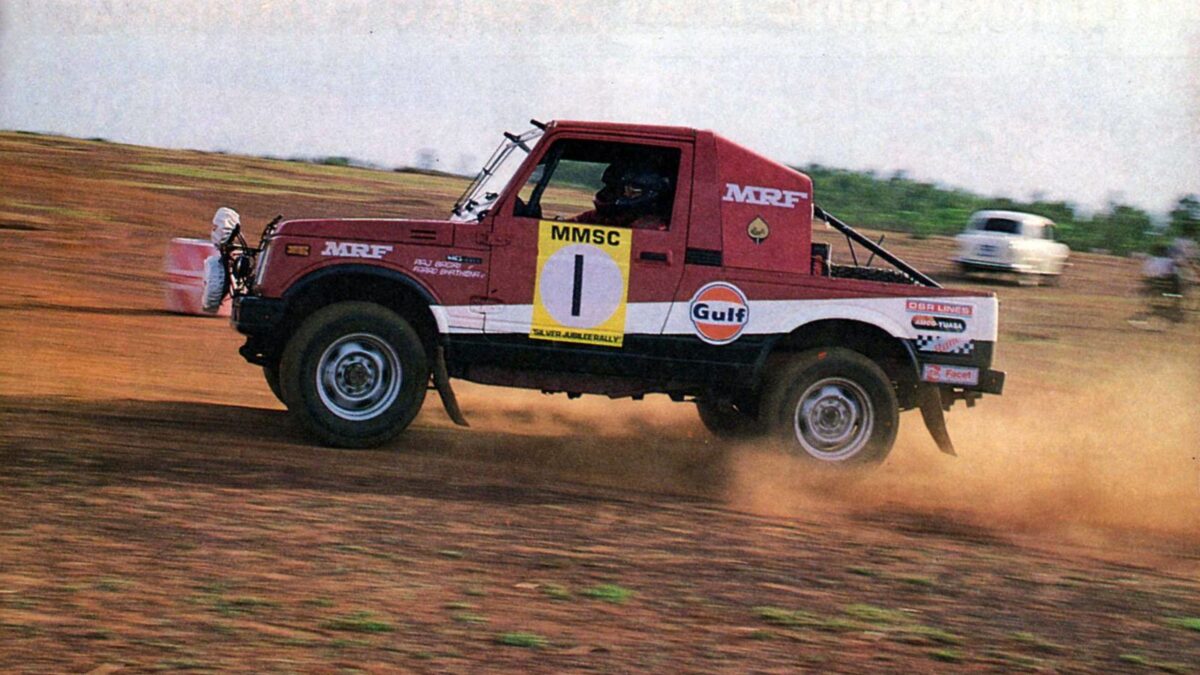
Decades-old Maruti Gypsys, not the new-generation SUVs filling Indian showrooms, are still the cars winning India’s hardest off-road rally. Rajiv Yadav and co-driver Rohit Gowda took the four-wheel Xtreme title at the 2026 JK Tyre Rally of Himalayas, which for the first time pushed competitors into the remote Zanskar valley over the 4,400-metre Pensi La pass. Dhritimaan Singh won the two-wheel Moto class.
The sixth edition of the rally ran from 26 to 30 September, starting in Manali and finishing in Padum, deep in Zanskar, Ladakh. It is organised by Himalayan Xtreme Motorsports and Adventure X Fusion Tribe, with JK Tyre as title sponsor, and was covered by Autocar India, evo India, and a PTI release carried by multiple outlets including ThePrint and Morung Express.
Who Actually Won the 2026 Rally of Himalayas
Three classes, three different winners. The results, as reported by Autocar India and evo India:
| Class | Winner | Runner-up |
| Xtreme (four-wheel) | Rajiv Yadav / Rohit Gowda | Aaryak Rana / Aditya Sharma |
| TSD / Adventure (four-wheel)* | Soham Hazra / Nirav Mehta | Santosh HM / Prakash Muthuswamy |
| Moto (two-wheel) | Dhritimaan Singh | Happy Verma |
*Autocar India calls this second four-wheel category the TSD (Time, Speed and Distance) class. evo India lists the same winner under an “Adventure” four-wheel category. Both outlets agree on who won it, just not on what to call it, which tells you how loosely this rally is covered even by enthusiast media.
First-Ever Run Into Zanskar
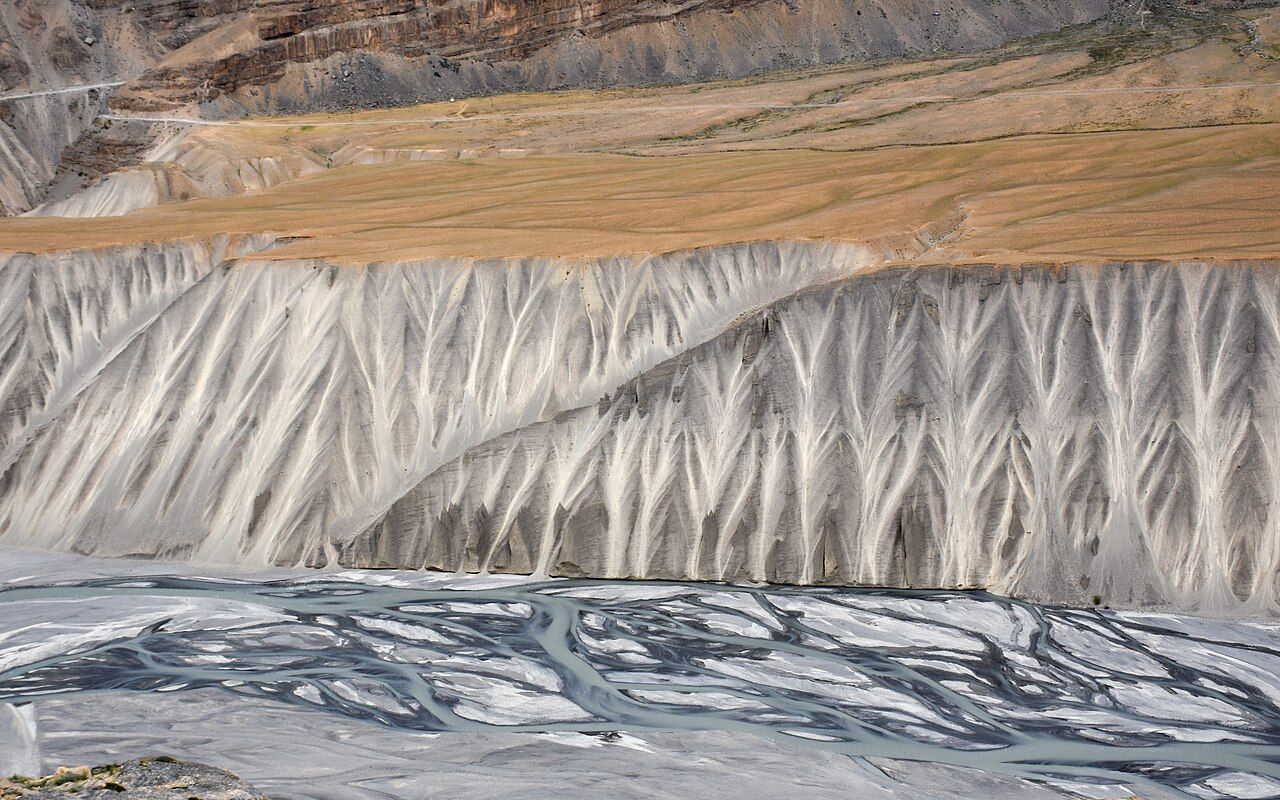
The organisers’ own release, carried by ThePrint and Morung Express, calls the Zanskar leg a milestone: in six editions, this is the first time the rally has routed competitors past Kaza, through Jispa, over Pensi La and down into Padum. That is some of the thinnest, highest tarmac in India, running close to the Spiti and Zanskar rivers through valleys that stay snowbound for half the year.
About 50 cars and 80 motorcycle riders entered this year, per the organisers. Autocar India’s own count of the four-wheel field puts 29 entries in Xtreme and 20 in the TSD class, numbers that do not quite add up to “50 cars” either, a sign of how loosely grassroots Indian motorsport tracks its own entry lists.
The Entry List Nobody Else Is Writing About
This is the real story the press-release coverage buries. Autocar India’s own reporting says rally-prepped Maruti Gypsys remain the mainstay of the Xtreme four-wheel class, nearly three decades after Maruti stopped selling the Gypsy new. The rest of the field is stranger still: first-generation Suzuki Grand Vitaras, old-shape Renault/Dacia Dusters, a couple of Toyota Hilux pickups, and, remarkably, competitors who brought a Honda Brio and a Volkswagen Polo into a Himalayan rally raid.
None of that is a modern crossover with a badge that says “rugged.” It is whatever a privateer could get rally-prepped and still trust on a mountain pass above 4,000 metres.
That matters because it is the opposite of how Indian off-roading is marketed today. Showrooms sell the idea that you need a body-on-frame SUV with low-range 4WD to go into the mountains. The actual amateur rally scene runs on 25-year-old Gypsys and whatever a privateer can afford to prep, because entry cost, not capability on paper, decides who shows up on the start line.
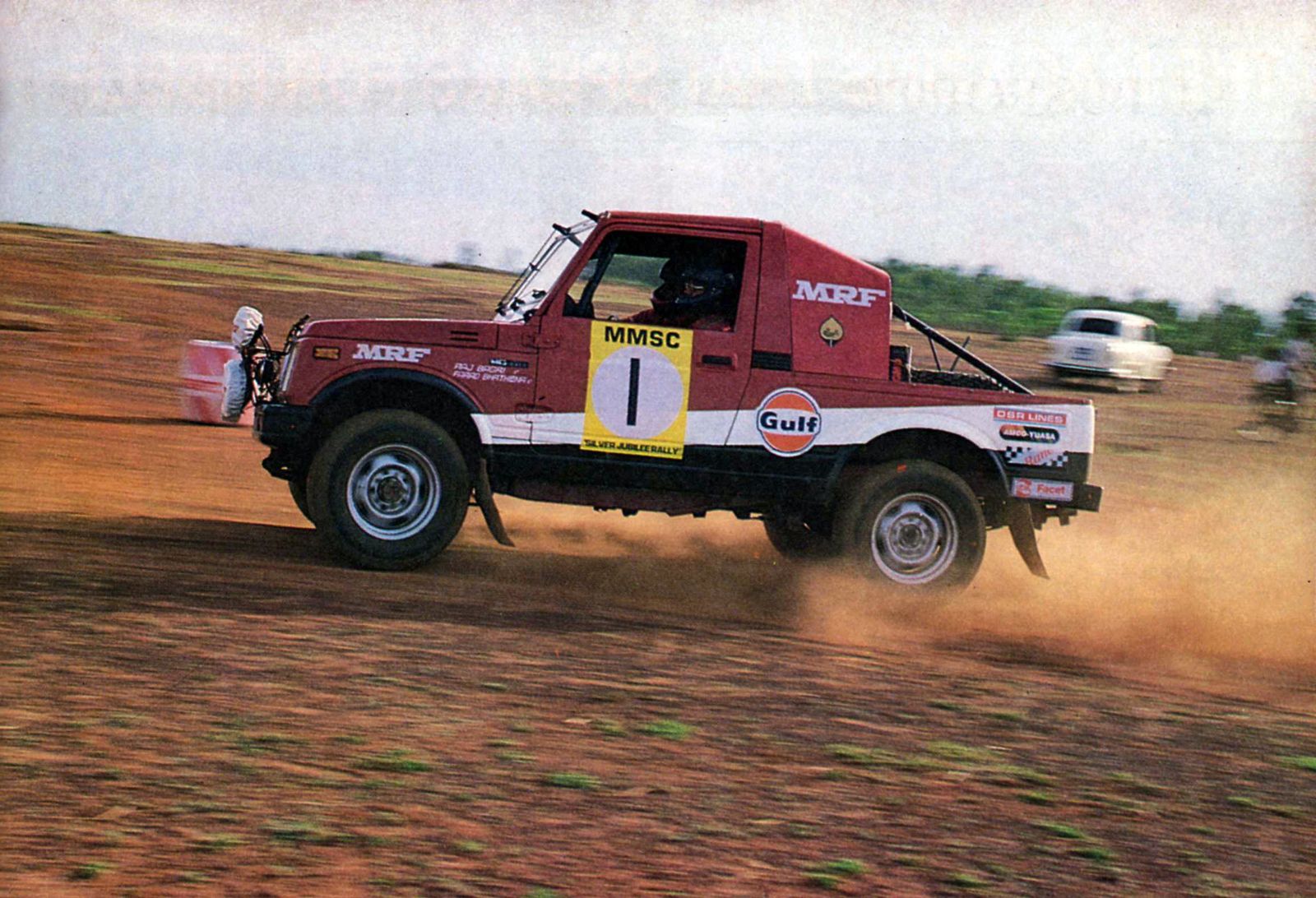
This rally’s roots go back further than most readers realise. Maruti Suzuki itself ran a factory-backed “Raid de Himalaya” through the 2000s and into the early 2010s, ending at Srinagar in some editions. Suresh Rana, an 11-time winner of that earlier event, went on to found Himalayan Xtreme Motorsports, the outfit now running this JK Tyre-sponsored version. The name and sponsor changed, but the cars that win it have not, nearly as much as Indian showrooms have.
Why This Is Easier to Enter Than You Think
Like the Royal Enfield Continental GT Cup that this site covered earlier this month, the Rally of Himalayas sits in a part of Indian motorsport that does not need a racing licence from a national federation or a season of karting to get on the grid. Entry is through the organisers’ own registration process, a roadworthy and rally-prepped vehicle, and the willingness to drive it through Zanskar in September. That is a very different bar from Formula 4 or the Indian Racing League, and it is a big part of why a Honda Brio can share an entry list with a Toyota Hilux.
Frequently Asked Questions
What is the JK Tyre Rally of Himalayas?
It is an annual amateur rally-raid through the Himachal Pradesh and Ladakh Himalayas, organised by Himalayan Xtreme Motorsports with JK Tyre as title sponsor. The 2026 edition was its sixth, running from Manali to Padum in Zanskar between 26 and 30 September.
Can I enter the Rally of Himalayas myself?
Entry does not require a national racing licence. Competitors register through the organisers with a rally-prepped, roadworthy car or motorcycle. The field regularly includes everything from factory-backed Gypsys to privately prepped hatchbacks, which is part of why the entry list looks so unlike a factory motorsport grid.
Why do old Maruti Gypsys still win this rally?
Per Autocar India’s coverage, rally-prepped Gypsys remain the Xtreme class mainstay because they are cheap to buy, light, mechanically simple to repair on a mountain pass, and have decades of privateer rally-prep knowledge built around them, advantages a new showroom SUV does not automatically have in an amateur rally-raid field.