
























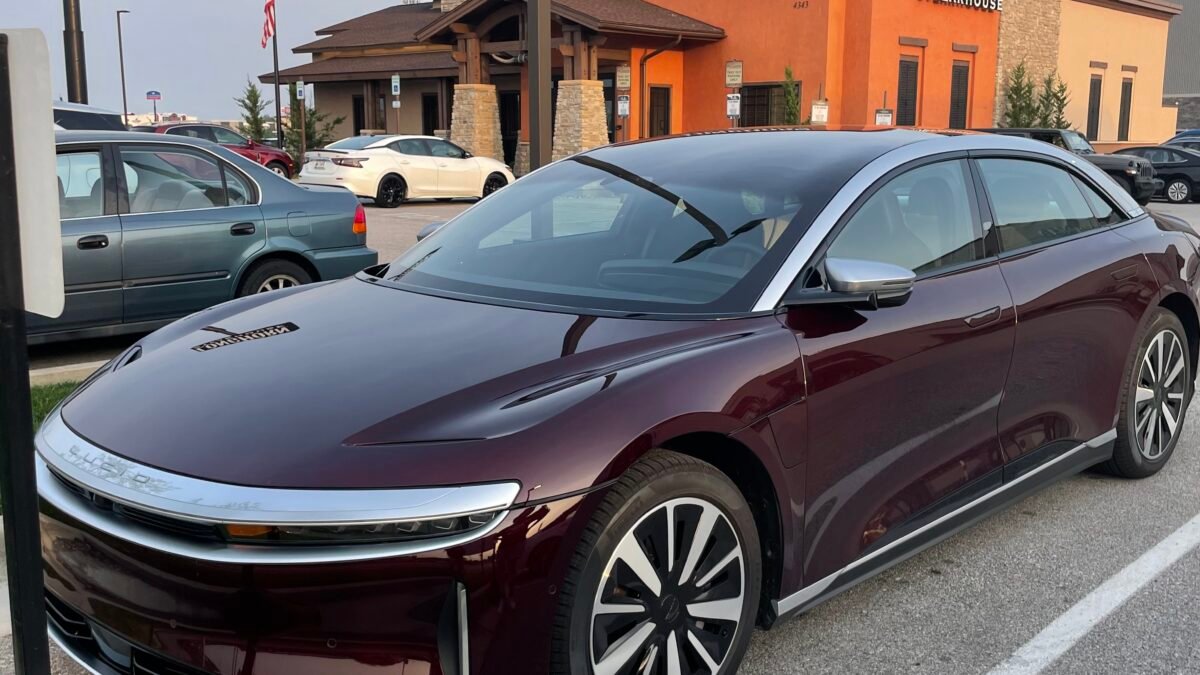
Lucid’s biggest recall ever covers more cars than it sold in all of 2025, and this time, real fires are behind it.
Lucid Motors just issued the biggest recall in its history, and the number alone tells you how serious it is: 27,185 Air sedans, more cars than the company delivered in the whole of 2025. The cause isn’t a bad batch of brakes or a sticky airbag. It’s a software bug that can quietly overheat the wiring behind the headlights and the rear stop lamp until it starts a fire.
Three cars have actually caught fire. Four more reported smoke pouring out of the dashboard or rear pillar. If you own one of the roughly 6,500 Airs that haven’t taken the fix yet, US regulators have one blunt instruction for you right now: park outside, away from your house or garage, until the update lands.
What’s actually going wrong
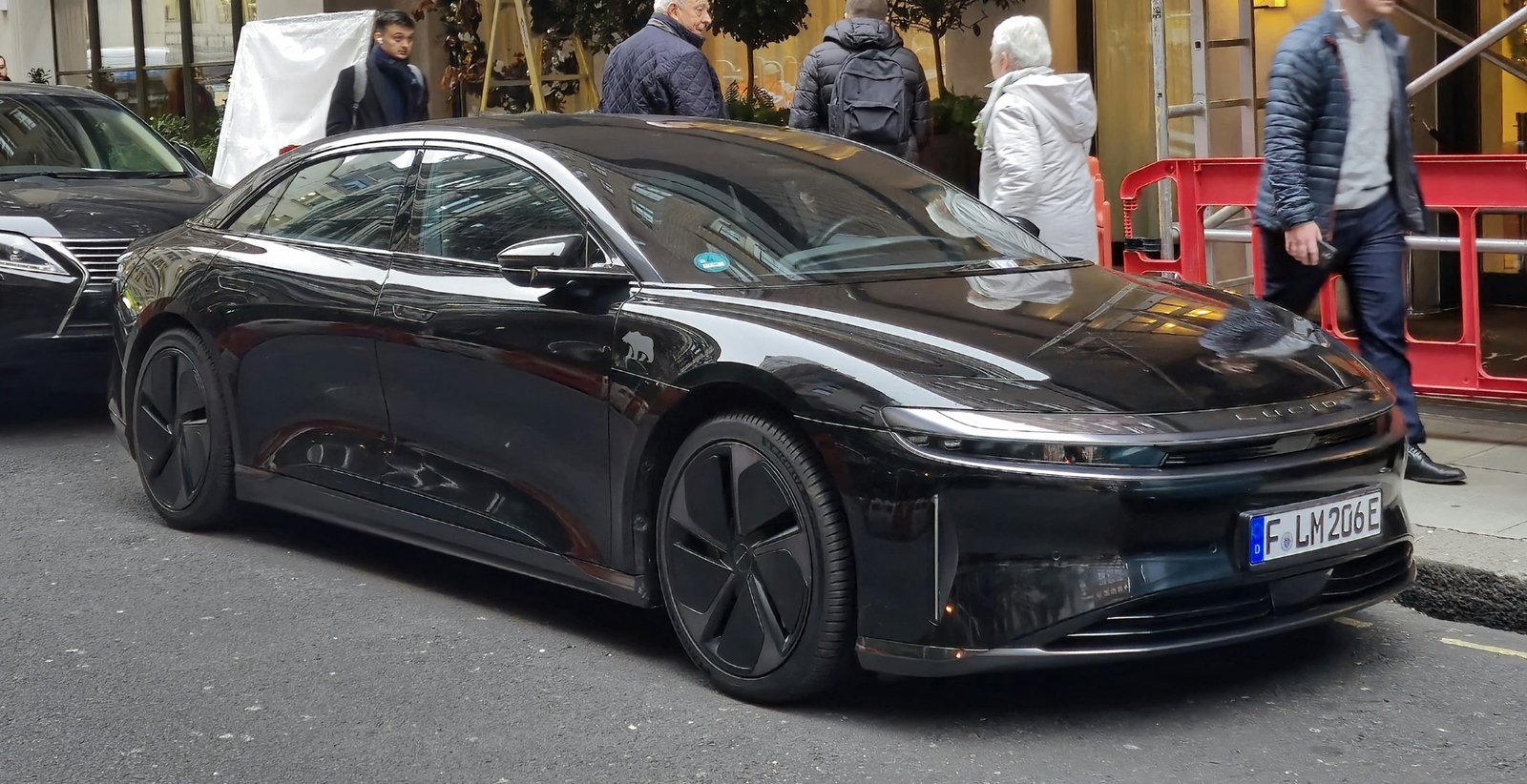
Every Lucid Air uses something called an eFuse: an electronic fuse, basically a tiny computer that watches a circuit and is supposed to cut the power the instant it senses something drawing too much current, the same job an old-fashioned fuse does, just done in software instead of a piece of wire. According to Lucid’s filing with America’s National Highway Traffic Safety Administration (NHTSA), the eFuse logic on affected cars had a flaw: it let the circuit powering the front combination lamp and the centre high-mounted stop lamp (the third brake light built into the rear windscreen) stay energised even after it was drawing too much current. Over time, that circuit can overheat, melt insulation, and in the worst cases, ignite.
The first fire NHTSA logged was in a Lucid-owned test car back in June 2023. Since then, the automaker has recorded three fires tied to the front lighting circuit, four separate smoke incidents linked to the rear stop lamp, and 33 warranty claims for damaged wiring in that same harness, spread across roughly three years of Air production. That’s a slow-burn pattern, not a sudden one, which is part of why it took this long to reach a full recall.
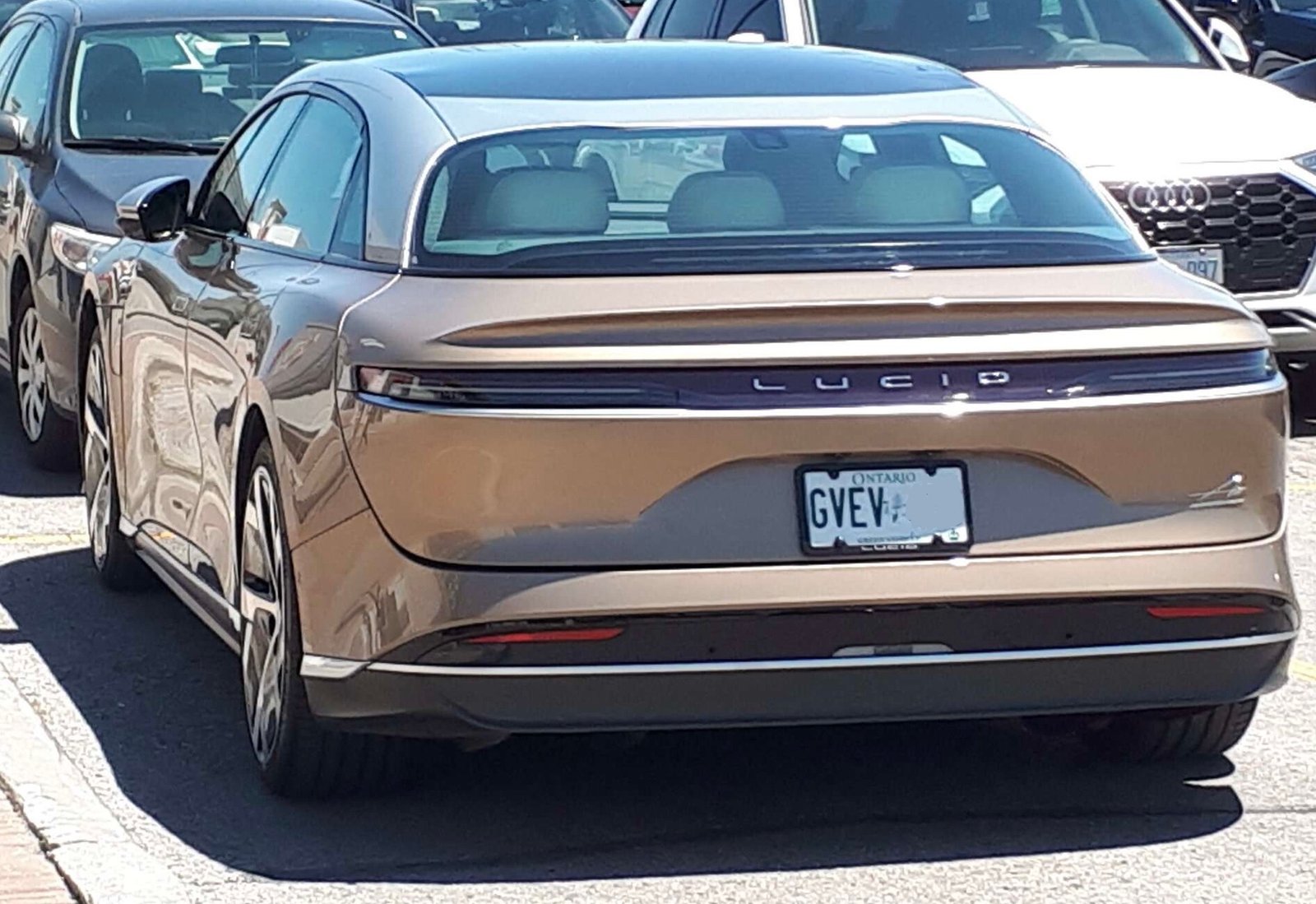
There’s a second safety angle too. The same fault that risks a fire can also just kill the lights outright, cutting power to the front lamps or the brake light with zero warning to the driver. On a car doing highway speeds at night, a headlight or brake light going dark without notice is its own kind of dangerous, recall or not.
The fix, and why the market barely blinked
The good news is that Lucid didn’t need a single dealer visit to start fixing this. In July, before the recall was even filed, the company pushed out software version 2.10.0 over the air. It lowers the threshold at which the eFuse trips and, crucially, stops the system from repeatedly re-energising a faulted circuit within the same drive, which is the behaviour that let the wiring keep cooking instead of just switching off and staying off.
By the time Lucid filed its report, 20,719 of the 27,185 affected cars had already grabbed the update automatically. That leaves about 6,466 Airs still running the old, riskier logic, and those are the owners NHTSA wants parked outside for now. Formal recall notices by mail are scheduled to go out from October 16, though anyone with the Lucid app can simply check their software version today.
| Vehicles recalled | 27,185 (2022–2026 Air, built Oct 2021–Jul 2026) |
| Fires reported | 3, first in June 2023 |
| Smoke incidents | 4 |
| Warranty claims for wiring damage | 33 |
| Already updated (v2.10.0+) | 20,719 |
| Still unpatched | ~6,466 |
| Mailed notices begin | October 16, 2026 |
That over-the-air fix is exactly why Lucid’s stock barely moved on the news, actually closing marginally lower on a day it announced its worst-ever recall. Compare that to a traditional automaker, where 27,000 cars needing a wiring fix usually means scheduling appointments, freeing up service bays, and ordering parts for months. Here, four in five affected cars were already fixed before the public even heard about the problem.
It’s the most Lucid recall imaginable: a genuinely serious fire risk, caught early enough that software could outrun it before most owners ever had to think about it.
Why this one lands harder than the numbers suggest
Strip away the software silver lining and the timing is still brutal for Lucid. This recall alone covers more cars than the company sold in all of 2025 (15,841 units), which tells you how thin its production volumes still are relative to the fleet it now has to watch closely. It comes just months after Lucid cut around 18% of its US workforce, after a Q1 seat-mounting defect on its Gravity SUV forced a revenue hit of more than $200 million, and after the stock briefly cratered as much as 40% in July on bankruptcy rumours the company denied. LCID shares are still down roughly half their value for the year.
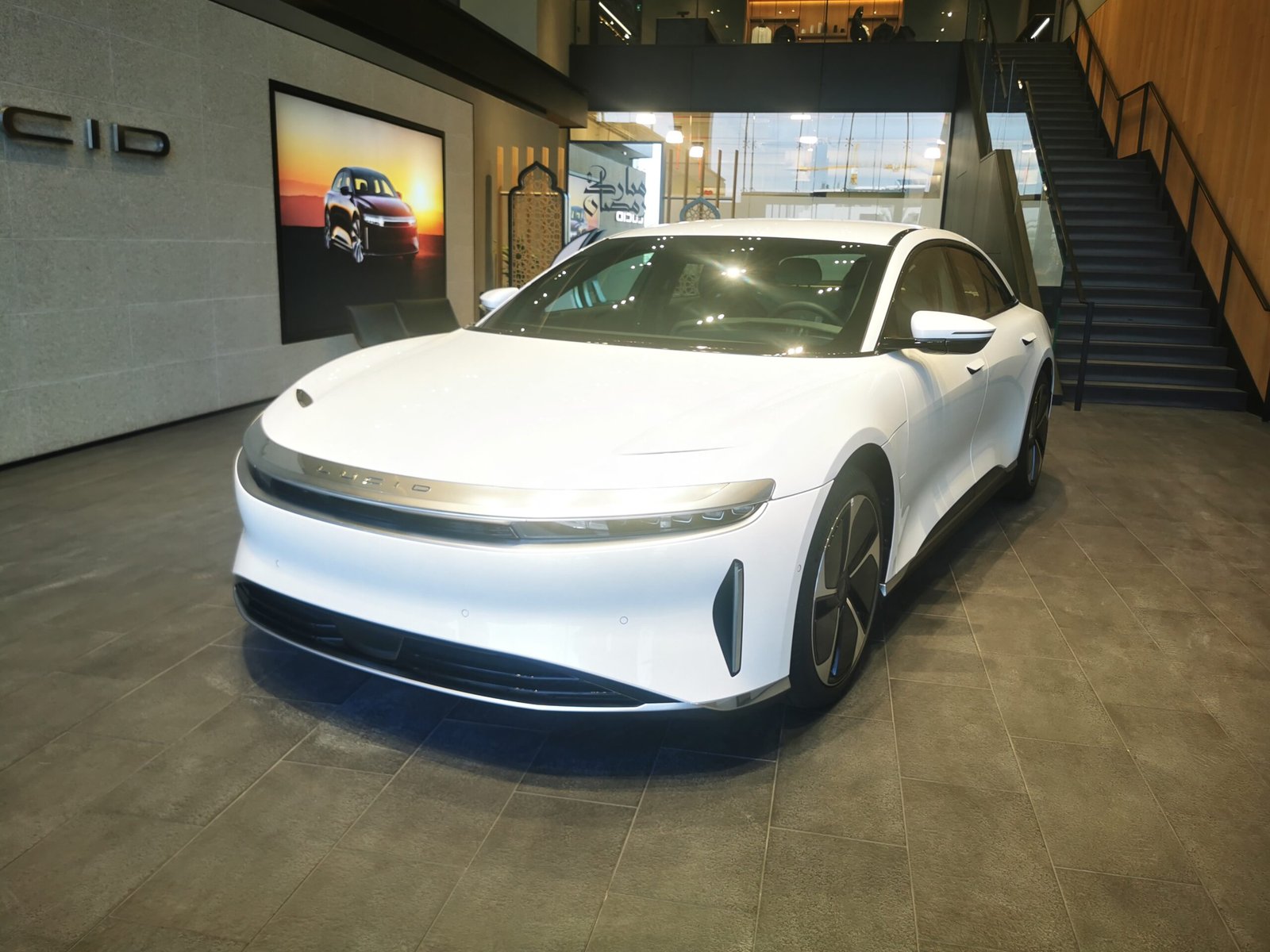
None of that makes the recall itself less real. A fire risk with three confirmed incidents and a lighting fault that can blind a car at night is a genuine safety story, not a paperwork one, and NHTSA treated it that way. But for a company that has spent 2026 trying to convince investors and buyers it can scale past boutique volumes, becoming the case study for how far a modern EV maker can lean on over-the-air fixes to survive a fire recall is a strange kind of milestone. It buys Lucid time and credibility with regulators. It does very little to answer the bigger question hanging over the brand: whether it can build and sell EVs fast enough, and reliably enough, to matter at scale.
Lucid isn’t sold in India and the Air has no local production or import plans, so there’s no direct impact here for Indian buyers. But the playbook is worth watching: as more of the car, including safety-critical circuits, gets defined by software rather than hardware, expect recalls like this one, fixed by a push notification instead of a service appointment, to become the norm everywhere EVs are sold, India included.