



































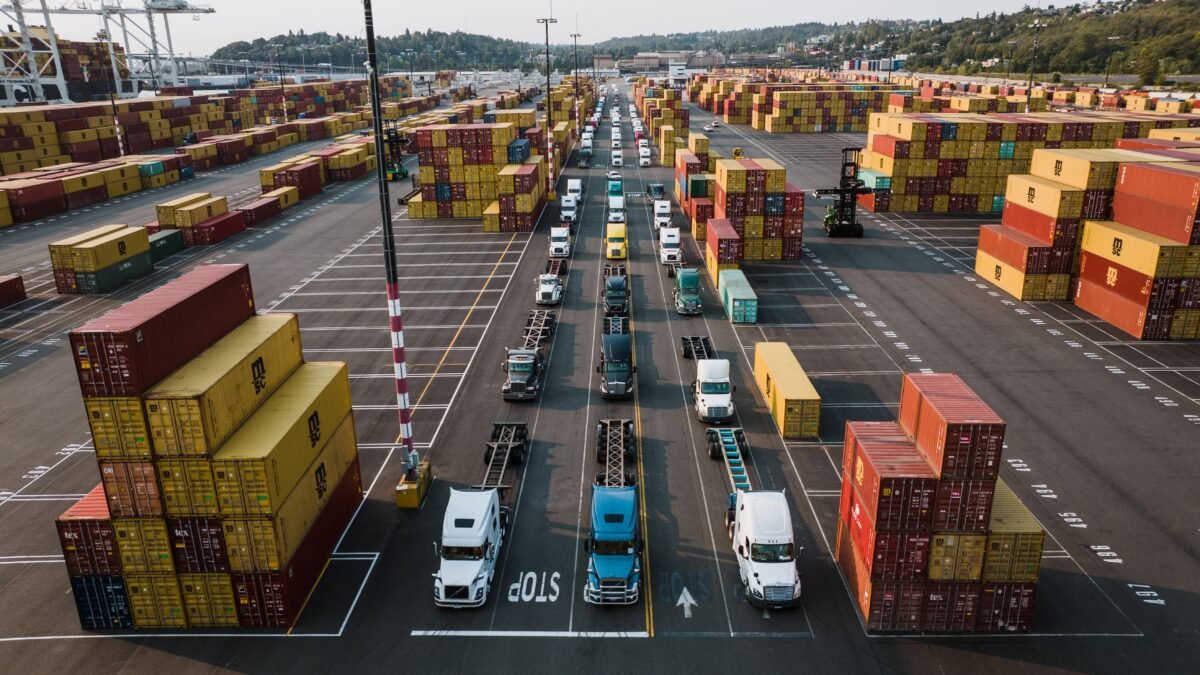
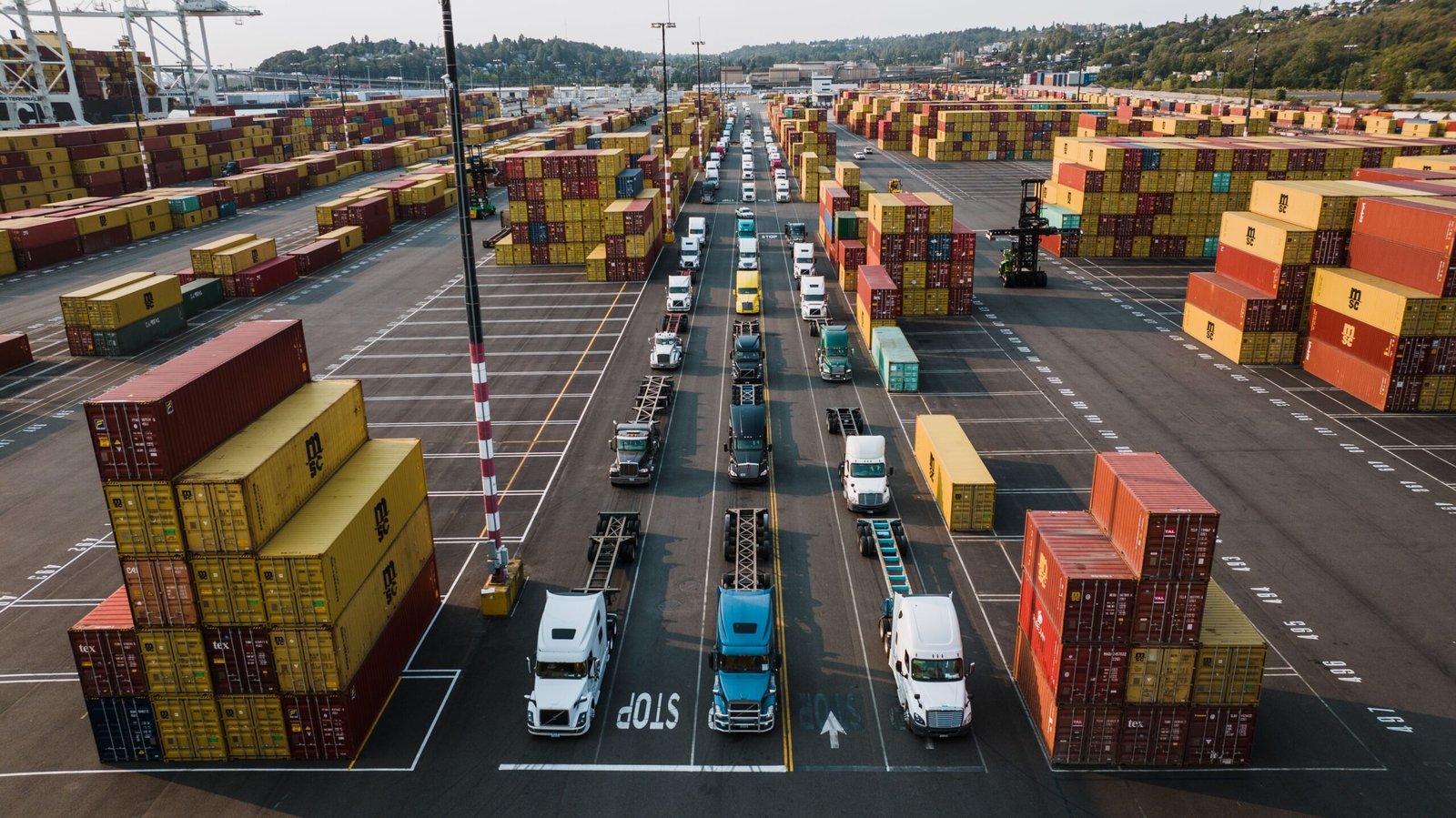
If you thought your next car was already expensive enough, spare a thought for buyers in North America. The United States and Canada just watched their auto trade deal collapse, and the fallout is a tariff of 50% on every Canadian-built car, truck and auto part entering the US from January 1, 2027. That is double the 25% rate that has applied all year, and it lands on vehicles that Americans buy in huge numbers every month.
This is not a minor policy tweak. It is the single biggest shake-up global automotive has seen this week, big enough to move Ford and Stellantis stock in a single morning, and it changes what several mainstream models cost, where they get built, and whether at least one automaker builds its next American factory at all.
What Actually Happened
Talks between Washington and Ottawa fell apart on August 21, when Canadian Prime Minister Mark Carney said US negotiators “asked too much and offered too little.” The deal on the table would have cut the US tariff on Canadian-built vehicles from 25% down to 15%, matching the rate Japanese, South Korean and European automakers already pay under their own trade agreements. Instead, US President Donald Trump announced the opposite: a 50% tariff on Canadian cars, trucks, auto parts and steel, effective January 1, 2027. Trump framed it as correcting years of being “ripped off,” pointing to a roughly $60 billion US trade deficit with Canada. Carney’s office says the real sticking point was narrower: Washington wanted the lower 15% rate to apply only to light vehicles, while Ottawa wanted it to cover medium and heavy trucks too. That disagreement over trucks, according to people briefed on the talks, is what ultimately sank the whole agreement.
Why a Trade Dispute Is an Automotive Story
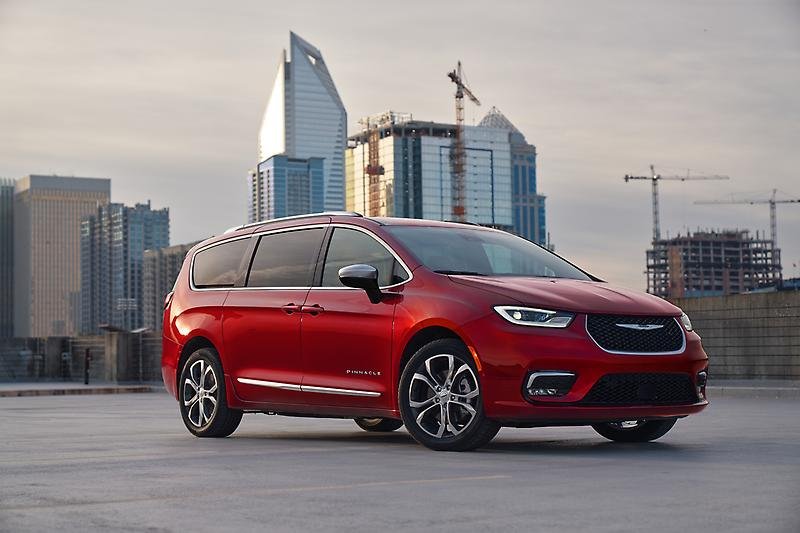
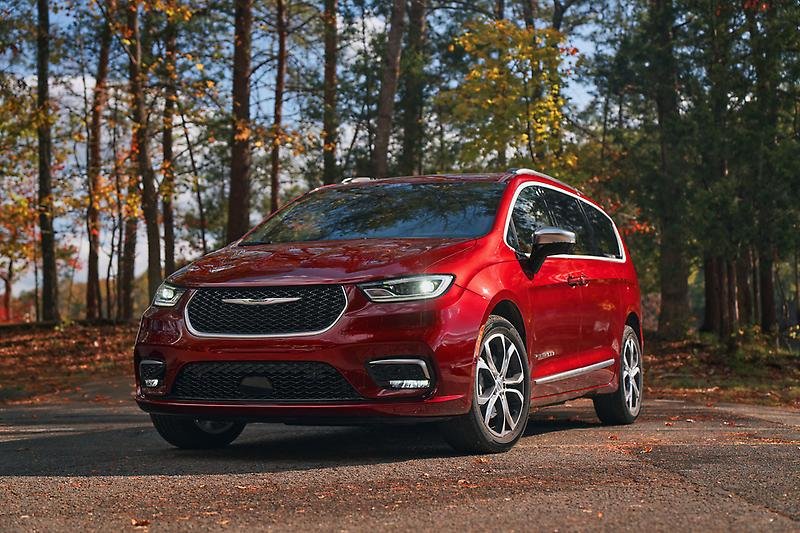
Canada is not a bit player here. It builds around 1.2 million vehicles a year, and more than 75% of that output, mostly from Toyota and Honda plants, is exported straight to the US. A handful of models are built in Canada and nowhere else. The Chrysler Pacifica minivan, Stellantis’ best-selling US minivan, comes exclusively out of the Windsor Assembly Plant in Ontario. General Motors builds roughly 17% of its Chevrolet Silverado, the best-selling vehicle in America, in Canada. Ford has just started building F-Series Super Duty trucks at its Oakville, Ontario plant this quarter, after a $2.3 billion investment specifically to add that capacity. A 50% tariff does not just add cost to imported vehicles, it threatens to make an entire slice of the North American production network uncompetitive overnight.
| Vehicle Origin | US Tariff Rate | Status |
| Canadian-built vehicles & parts | 50% (up from 25%) | Effective January 1, 2027 |
| Rate under the collapsed proposal | 15% | Never took effect |
| Japan, South Korea, EU imports | 15% | Already in force under existing deals |
Markets reacted immediately. Ford and Stellantis shares each fell around 4% on the day of the announcement, GM slipped about 2%. Automakers themselves have mostly gone quiet: Ford, GM, Stellantis and Honda all declined to comment when asked, as did the American Automotive Policy Council, the industry’s main lobbying body in Washington. That silence is itself telling. Every option left on the table, shifting production, switching suppliers, delaying shipments, cutting incentives or simply raising prices, means either a cost to the automaker or a cost passed to the buyer. Analysts expect a mix of both.
Canada Hits Back
Ottawa did not sit still. On August 25, Canadian Finance Minister François-Philippe Champagne announced retaliatory tariffs on close to $20 billion of American goods, a list running to nearly 100 pages and covering steel, dairy, appliances and farm equipment, plus everyday consumer goods like seafood, cheese, clothing, cosmetics and even toilet paper. The rates mirror what Washington charges on the same categories of Canadian exports: 15%, 25% or 50% depending on the product. Canada’s existing countertariffs on US-built autos remain in place too. The measures take effect September 8, and Carney has suggested the total value of goods affected could rise as high as $28 billion once trucks are factored in. Ontario Premier Doug Ford, among the most vocal provincial leaders, has gone further, threatening to cut electricity exports to US states and block critical mineral shipments if Washington keeps up the pressure.
What Happens Next
The most concrete sign of how seriously automakers are taking this came from Honda. The company is weighing its eighth North American assembly plant, a facility meant to build more hybrids as it backs away from a stalled EV push after its first annual loss in years. A senior Honda executive has said the plant decision, and its location, may hinge on whether the broader US-Mexico-Canada Agreement (USMCA) gets renewed on workable terms. In other words, one of the industry’s biggest US investment decisions of the decade is now effectively on hold, waiting to see how this dispute resolves. USMCA itself, the trade pact that has underpinned North American auto manufacturing since 2020, is now facing its most serious test since it was signed.
The verdict: this is not a story about one car getting pricier. It is a fight over whether the last three decades of North American auto manufacturing, built on parts and vehicles crossing the US-Canada border multiple times before a car is finished, still makes economic sense at a 50% tariff. Nobody in Detroit or Ontario has an answer yet, and that uncertainty is the real headline.
For now, nothing changes at the showroom immediately. The 50% rate does not bite until January 2027, and Canada’s retaliation lands September 8. But automakers plan production years in advance, not months, which is exactly why Honda is already talking about pulling back and why Ford, GM and Stellantis stock moved before a single extra dollar has actually been paid. Watch this space: whichever way USMCA negotiations go from here will decide whether North America keeps building cars the way it has for thirty years, or whether that entire model gets rewritten.