

































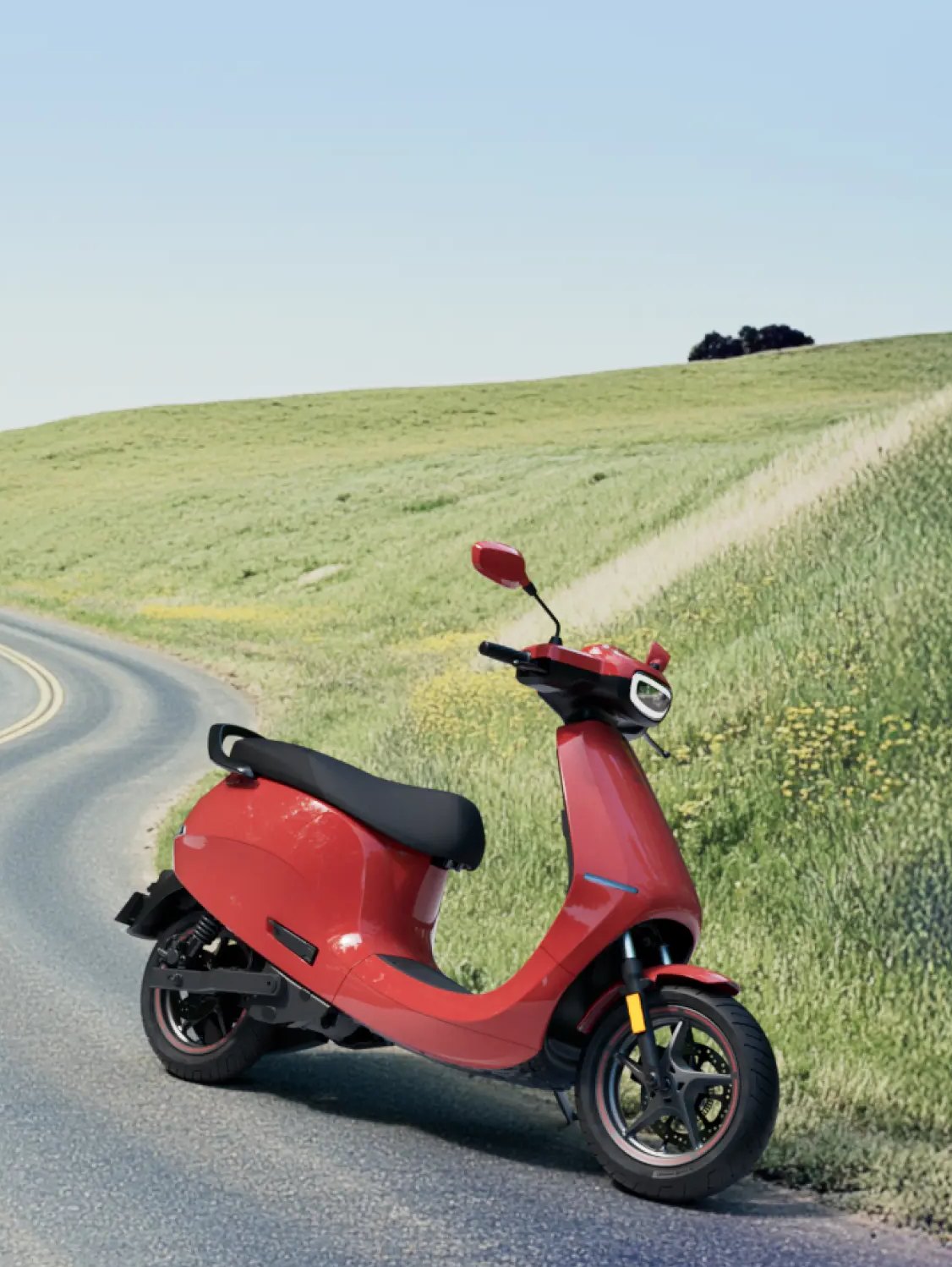
Ola Electric’s e-scooter market share fell to 6.6% in September 2026, its lowest monthly number since the company’s loss-making slide began, and the only decline among the top six brands in a market that grew 85% year on year. That is a hard contradiction of the “comeback” Ola itself claimed just weeks ago, when its April-June quarter share had climbed to 8.4%. If you are weighing an Ola S1, priced from ₹1,28,371 to ₹1,74,999, the honest read of September’s numbers is that the company’s financial recovery and its showroom momentum are not moving in the same direction.
What September’s VAHAN Numbers Actually Show
India registered roughly 2 lakh electric scooters in September 2026, per VAHAN registration data. ICICI Direct’s read of that data put the month at about 1.97 lakh units; Nuvama’s read, pulled on a different date, put it at 2.03 lakh. Both trackers agree on the ranking, and that is the part that matters for a buyer.
| Brand | September Units | Market Share | YoY Change |
| TVS Motor | ~51,000 | ~26.4% | +124% |
| Bajaj Auto | ~46,000 | ~23.6% | +137% |
| Ather Energy | ~28,000 | ~14.7% | +55% |
| Hero Vida | ~23,000 | ~11.7% | +81% |
| Ola Electric | 13,449 | 6.6% | -4% |
| Greaves (Ampere) | ~8,000 | ~4.3% | +104% |
Source: VAHAN registrations, as compiled by ICICI Direct (meraev.com) and Nuvama (cited by evfy.in). Ola’s own unit count, 13,449, is Nuvama’s exact figure; ICICI’s independent read rounds to a similar ballpark. Every other brand in the top six grew. Ola is the one brand that shrank.
Why This Doesn’t Match Ola’s Own “Comeback” Story
We covered Ola’s Q1 FY27 results here on September 30: revenue was still down 45% year on year and the company lost ₹336 crore, but its e-scooter market share had nearly doubled in three months, from 5.1% in January-March to 8.4% in April-June 2026. That 8.4% was the headline number behind the “comeback is real” framing.
| Period | Ola E-Scooter Market Share |
| Q4 FY26 (Jan-Mar 2026) | 5.1% |
| Q1 FY27 (Apr-Jun 2026) | 8.4% |
| September 2026 (single month) | 6.6% |
A single month is not a quarter, and one data point does not undo a real recovery. But 6.6% is a full two points below the quarter Ola was celebrating, and it is moving in the wrong direction while every competitor’s line goes up. If Ola’s Q2 FY27 (Jul-Sep) results, due around November, show a quarterly average closer to September’s number than June’s, the comeback framing will need a rewrite.
The Ampere Scare Didn’t Repeat, But the Gap Is Still Startling
We reported on September 20 that Ampere briefly overtook Ola in a single week’s registrations, by just 38 units. Across the full month, Ola held on, outselling Greaves’s Ampere brand by roughly 5,000 units. That is real breathing room, but it is breathing room against the smallest brand in the top six, not against the market leaders. A company that outsold every rival combined eighteen months ago is now fighting to stay ahead of the No. 6 spot.
Is an Ola S1 Still Worth Buying in 2026?
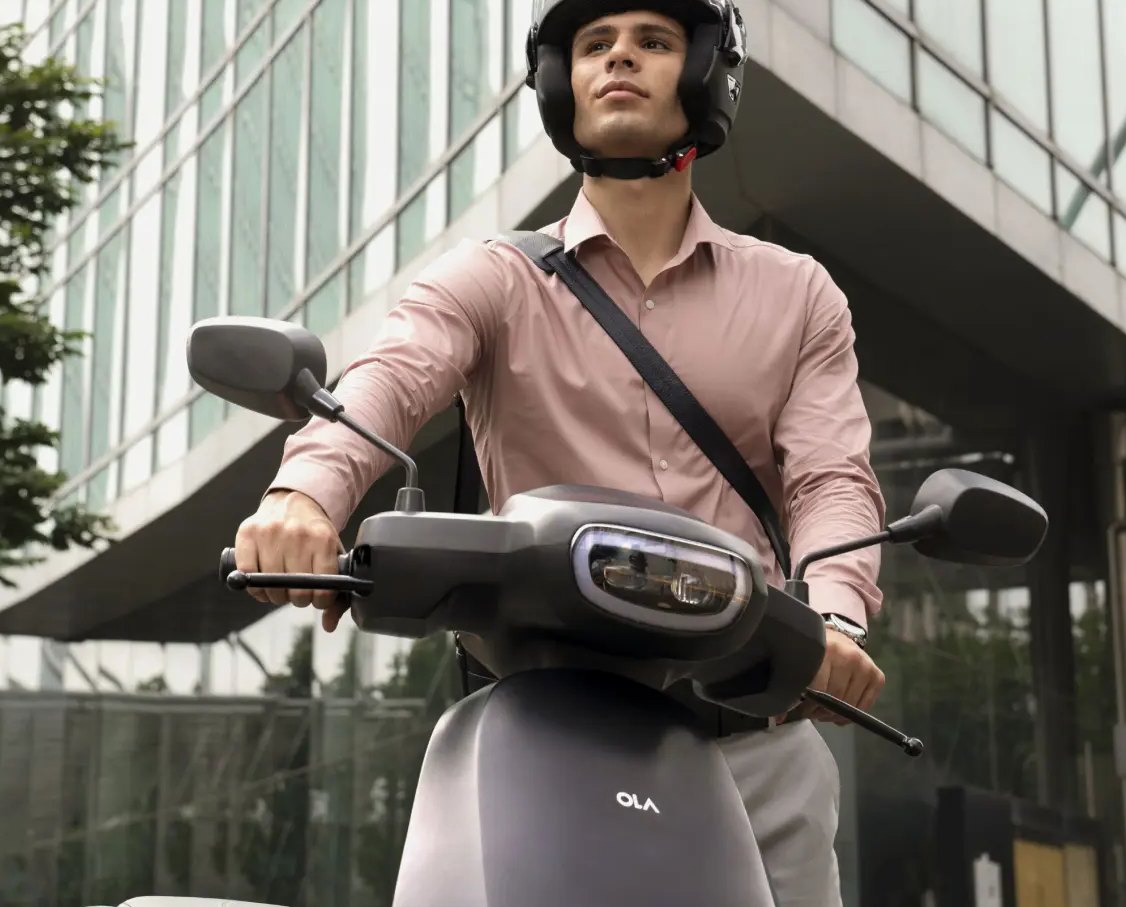
The four-variant S1 Pro line runs from ₹1,28,371 (S1 Pro 3kWh) to ₹1,74,999 (S1 Pro+ 5.2kWh, 320km claimed IDC range, 130 km/h top speed). None of these are tested real-world range figures; they are Ola’s own IDC-claimed numbers, and owners should expect them to fall meaningfully short in actual city and highway riding, the same gap every electric two-wheeler shows against its claimed figure.
| Variant | Price (Ex-Showroom) | Claimed IDC Range | Peak Power |
| S1 Pro 3kWh | ₹1,28,371 | 176 km | 11 kW |
| S1 Pro 4kWh | ₹1,49,999 | 242 km | 11 kW |
| S1 Pro+ 4kWh | ₹1,58,371 | 242 km | 13 kW |
| S1 Pro+ 5.2kWh | ₹1,74,999 | 320 km | 13 kW |
Buy the base S1 Pro 3kWh. It is the only variant that makes financial sense right now: the step up to the 4kWh Pro adds ₹21,628 for 66 km of claimed range you will rarely use on a daily commute, and the Pro+ tier’s extra power is nice on paper but is not why anyone buys a city scooter. One real catch worth flagging before you book: Ola’s own website has shown two different ex-showroom price sets for the same variants depending on where on the site they’re quoted, likely a state-specific variation that isn’t labelled clearly, so confirm your city’s exact out-the-door number at a showroom before paying a booking amount.
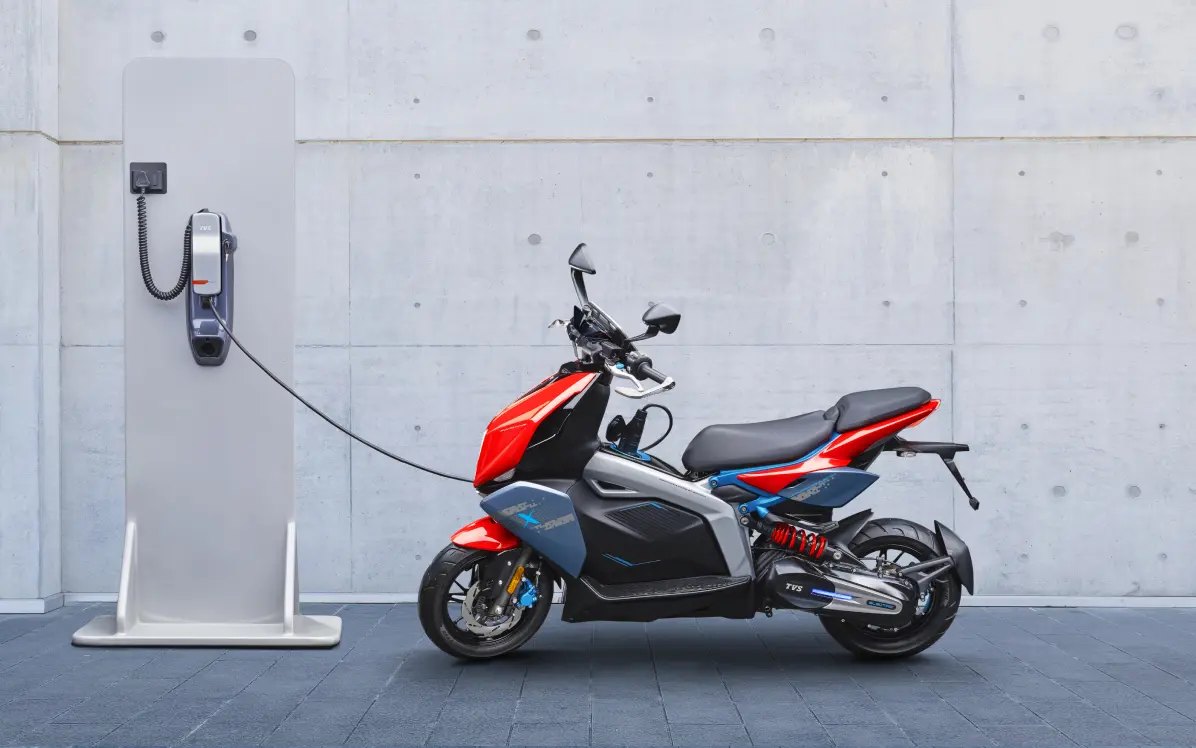
The product has not gotten worse. What has changed is the certainty around the company behind it. A ₹336 crore quarterly loss and a slipping registration share are not reasons an S1 will stop working, but they are reasons to think about resale value and long-term software support before you commit, especially if you are cross-shopping a TVS X, the brand that just took the No. 1 spot Ola used to hold.
The scooter is fine. The company’s trend line, measured by the people actually registering these things with the RTO, is pointed the opposite way from what Ola told shareholders in August.
Where This Leaves the Rest of the Market
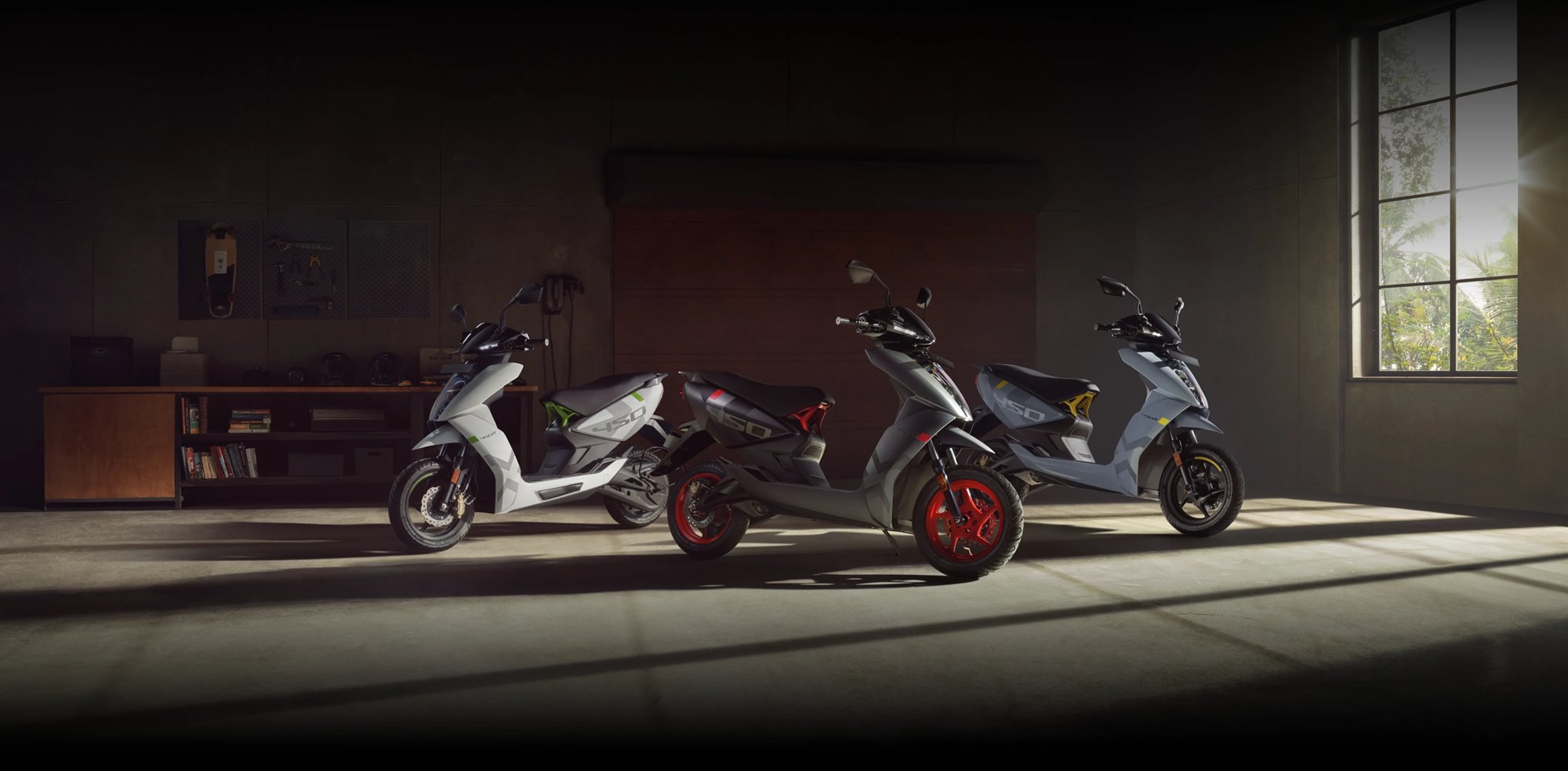
TVS and Bajaj together now account for exactly half of every electric scooter registered in India, a level of legacy-manufacturer dominance that did not exist two years ago when Ola and Ather were the names buyers searched for first. If you are cross-shopping this segment rather than fixed on one brand, our full electric scooter list is a better starting point than any single review, Ola’s included.
Why is Ola Electric’s market share falling in 2026?
September’s VAHAN data shows Ola was the only top-six e-scooter brand whose registrations fell year on year, down about 4% while TVS, Bajaj, Ather, Hero Vida and Ampere all grew. The company’s own Q1 FY27 results in August had shown a share recovery to 8.4%, so September’s 6.6% is a step back from that specific quarter, not a new all-time low.
Which Ola S1 variant should I actually buy?
The base S1 Pro 3kWh at ₹1,28,371 is the pick. It covers a typical daily commute on its 176 km claimed IDC range, and the price jump to the bigger-battery variants buys range most riders will not use in city traffic.
Has anyone independently tested the Ola S1’s real-world range?
No independent, named real-world range test of the current S1 Pro lineup has been published yet. The 176/242/320 km figures are Ola’s own IDC-claimed numbers, and owners should expect real-world range to run meaningfully below them, as is standard across electric two-wheelers in India.


