

































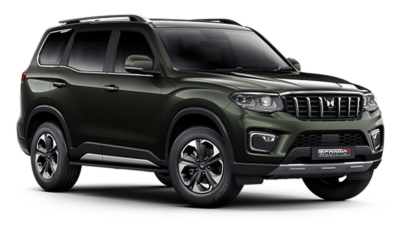

Mahindra outsold Tata by just 89 units in September 2026, retailing 57,343 cars to Tata’s 57,254, enough to flip them into second and third place in India’s passenger vehicle market, according to data from the Federation of Automobile Dealers Associations (FADA). But that is retail, what actually left showrooms. Factory dispatch numbers for the same month, tracked separately by manufacturers and reported by Autocar India, show Tata still ahead of Mahindra by 227 units. Both numbers are real. They are just measuring different things, and the gap between them is the more useful story for anyone shopping this festive season.
Why Mahindra Beat Tata, by FADA’s Count
FADA’s retail data, drawn from vehicle registrations across the country (it excludes Telangana, which does not share RTO data with FADA), had India’s best-ever September for passenger vehicles: 4,27,213 units, up 32.1% year on year. Maruti Suzuki stayed well clear at the top with 1,69,132 units and a 39.59% share. Below that, the Mahindra-Tata gap was the closest finish in the top five.
| Carmaker | Sept 2026 retail units | Market share | YoY change |
| Maruti Suzuki | 1,69,132 | 39.59% | +30.05% |
| Mahindra | 57,343 | 13.42% | +38.93% |
| Tata | 57,254 | 13.40% | +28.66% |
| Hyundai | 50,201 | 11.75% | +31.46% |
| Kia | 26,663 | 6.24% | +45.91% |
| Toyota | 28,050 | 6.57% | +21.56% |

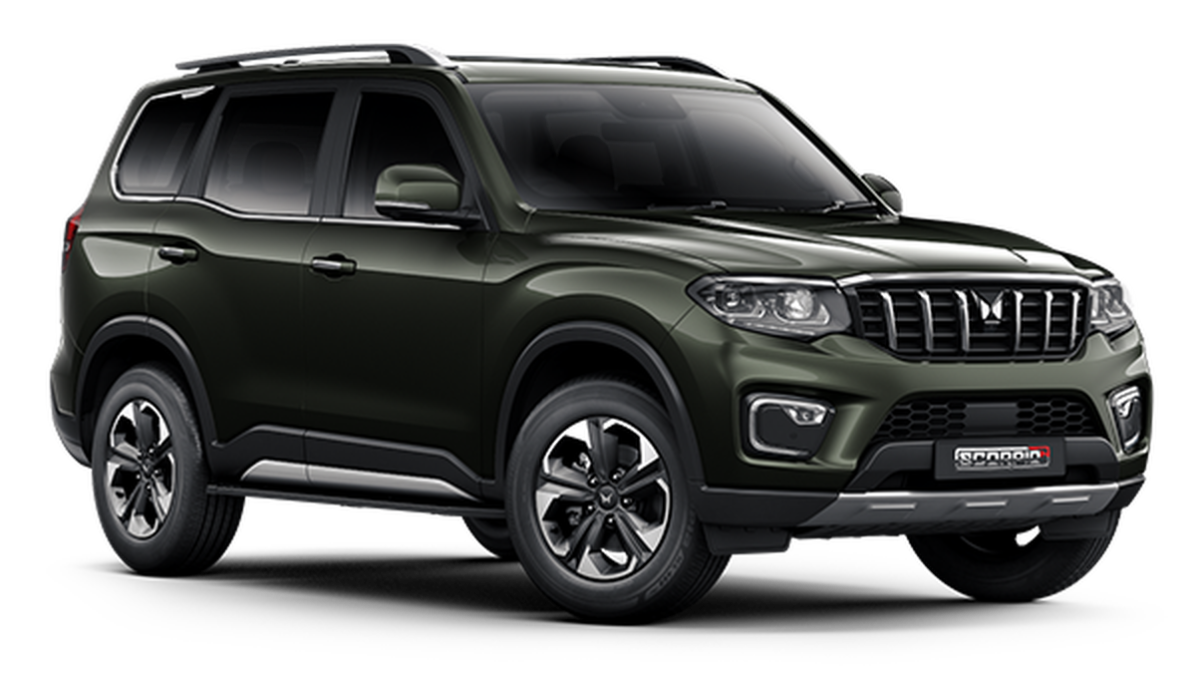
Mahindra posted the fastest month-on-month jump of the top five, up 14.13% from August, while Tata actually slipped 1.02% over the same stretch. That is the SUV range doing the work: showrooms report steady walk-ins for the Scorpio-N and the Thar family heading into Dussehra, categories where Tata’s equivalent, the Safari, has had a quieter few months.
Wholesale Flips It: Tata Still Ahead by 227 Units
Retail counts what a customer actually drove home. Wholesale counts what the factory shipped to dealers, and it tells a different story. Tata dispatched 56,972 units in September against Mahindra’s 56,745, a 227-unit lead the other way. Both companies were nearly flat here. Tata’s wholesale volume actually fell 4.52% year on year and 12.69% from August; Mahindra barely moved, up 0.91% year on year.
| Metric | Mahindra | Tata | Who’s ahead |
| Retail (FADA), Sept 2026 | 57,343 | 57,254 | Mahindra, by 89 |
| Wholesale, Sept 2026 | 56,745 | 56,972 | Tata, by 227 |
| Wholesale YoY change | +0.91% | -4.52% | Mahindra |
Put the two together and the honest read is that Mahindra and Tata are running neck and neck for India’s number two spot, and which one you call the winner depends entirely on whether you count what dealers sold or what factories shipped. Neither company is pulling away.
Is the 32% Growth Real, or Is It a Low Base?
FADA president Sai Giridhar called September’s headline growth figure “the most base-distorted print of the year.” September 2025 was an unusually weak month: buyers nationwide held off on purchases in the week before GST 2.0 took effect on 22 September 2025, waiting for the lower rates. That depressed last year’s base, which makes this year’s year-on-year jump look far bigger than the underlying demand actually is. Giridhar pointed instead to month-on-month growth and to underlying demand of around 17% across the first five months of FY27 as the more honest signal.
The Real Story: Dealers Are Clearing Stock, Not Selling More
The clearest evidence that this is a base effect, not a demand boom, is sitting in the wholesale numbers above: factories barely increased shipments to dealers, in Tata’s case they cut them by double digits month on month, while retail sales jumped 32%. That combination only happens one way: dealers are selling down inventory they were already sitting on. The Spec’d reported in mid-October that dealers were carrying 43 to 45 days of unsold stock heading into Navratri. September’s retail surge is that backlog finally clearing, not carmakers suddenly building more cars.
If factories aren’t shipping more cars but showrooms are selling more, the honest conclusion is that dealers were overstocked, not that demand suddenly doubled.
What This Means If You’re Buying This Diwali
Giridhar’s own warning to dealers is the useful bit for buyers: “Protecting the GST gain is, to our mind, the key to converting the festive season into durable growth,” he said, flagging that rising vehicle prices eroding the GST 2.0 benefit is dealers’ biggest worry for the next quarter. Translated for a buyer, that means the incentive to deal is still there on both sides of this fight. Mahindra and Tata are both fighting for the same SUV buyer this Diwali, and a close sales race usually means neither side wants to look slow at the dealership. If you’re cross-shopping a mid-size SUV, that rivalry plays out directly in our Scorpio-N vs Safari comparison, and in similar fashion across Mahindra and Tata’s whole SUV lineups.
FADA’s own dealer survey backs the “cautiously optimistic, not euphoric” read: 75.57% of dealers expect growth in October, 19.46% expect a flat market, and just 4.98% expect a downturn. Nobody in that survey is calling for a blowout month, which lines up with wholesale data that shows the factories aren’t ramping up to meet one.
Is Mahindra now bigger than Tata in India?
Not definitively. Mahindra led Tata by 89 units in FADA’s September 2026 retail data, but Tata led Mahindra by 227 units in the same month’s wholesale dispatch figures. The two companies are close enough that the “winner” changes depending on which number you use.
Why did car sales jump 32% in September 2026?
Mostly because September 2025 was an unusually weak month. Buyers delayed purchases that year while waiting for GST 2.0 price cuts, which took effect on 22 September 2025. That weak comparison point inflates this year’s year-on-year growth figure well beyond actual demand growth, which FADA estimates at closer to 17% underlying.
Should I expect good deals buying a car this festive season?
Likely yes, at least through October. Dealers were sitting on 43 to 45 days of unsold stock heading into Navratri, and wholesale shipments from Mahindra and Tata barely grew in September, which means dealers are still working through existing inventory rather than fresh stock. That typically keeps negotiating room open for buyers, though FADA has flagged rising ex-showroom prices as a risk that could narrow it as the season goes on.