


















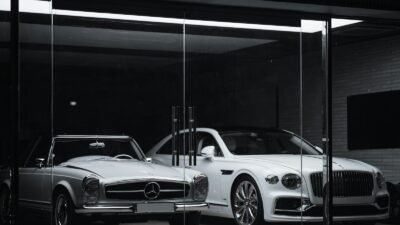

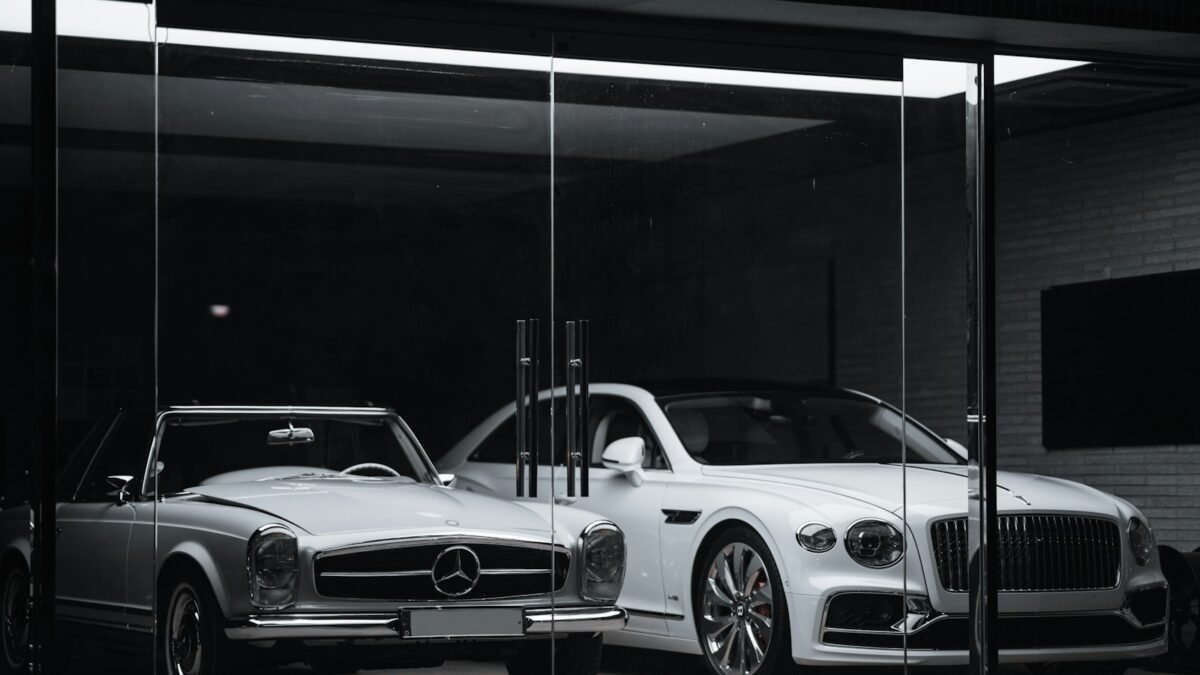
If you have ever bought, serviced, or even just test driven a BMW, Mercedes-Benz, Porsche, Audi or Ferrari somewhere outside India, there is a real chance you walked into a Penske Automotive Group dealership without knowing it. That company, one of the two or three biggest car and truck retailers on the planet, just agreed to stop being a public company. On October 15, 2026, Penske Automotive Group signed a definitive deal to go private in a transaction that values it at roughly $16.3 billion, one of the largest buyouts in the history of auto retail.
Here is why that number matters even if you will never set foot in one of its showrooms: it tells you how much money two very powerful players, Roger Penske’s family holding company and the Japanese trading giant Mitsui & Co., are willing to stake on the belief that owning car dealerships at scale is still a brilliant business, right when plenty of people assumed direct-to-consumer EV brands like Tesla had made the old dealership model look outdated.
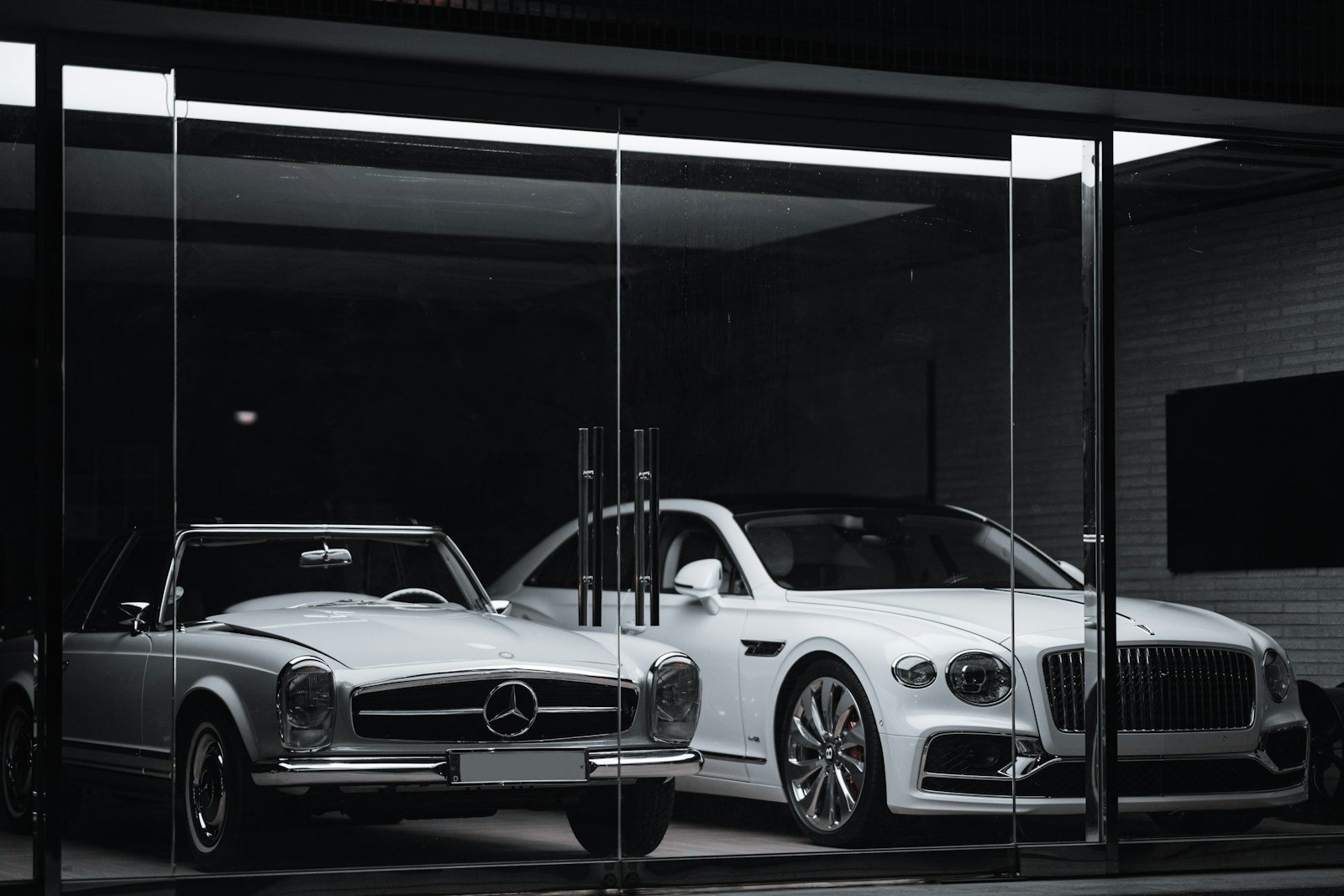
What Was Actually Signed
Penske Corporation and Mitsui, who between them already owned about 72% of Penske Automotive Group, agreed to buy out every other shareholder for $212 in cash per share. That is an 8.8% premium over where the stock closed on October 14, and a much bigger 20% jump over its average price over the previous 60 trading days. Add up the value of every share plus the company’s debt, and you get the $16.3 billion enterprise value headline.
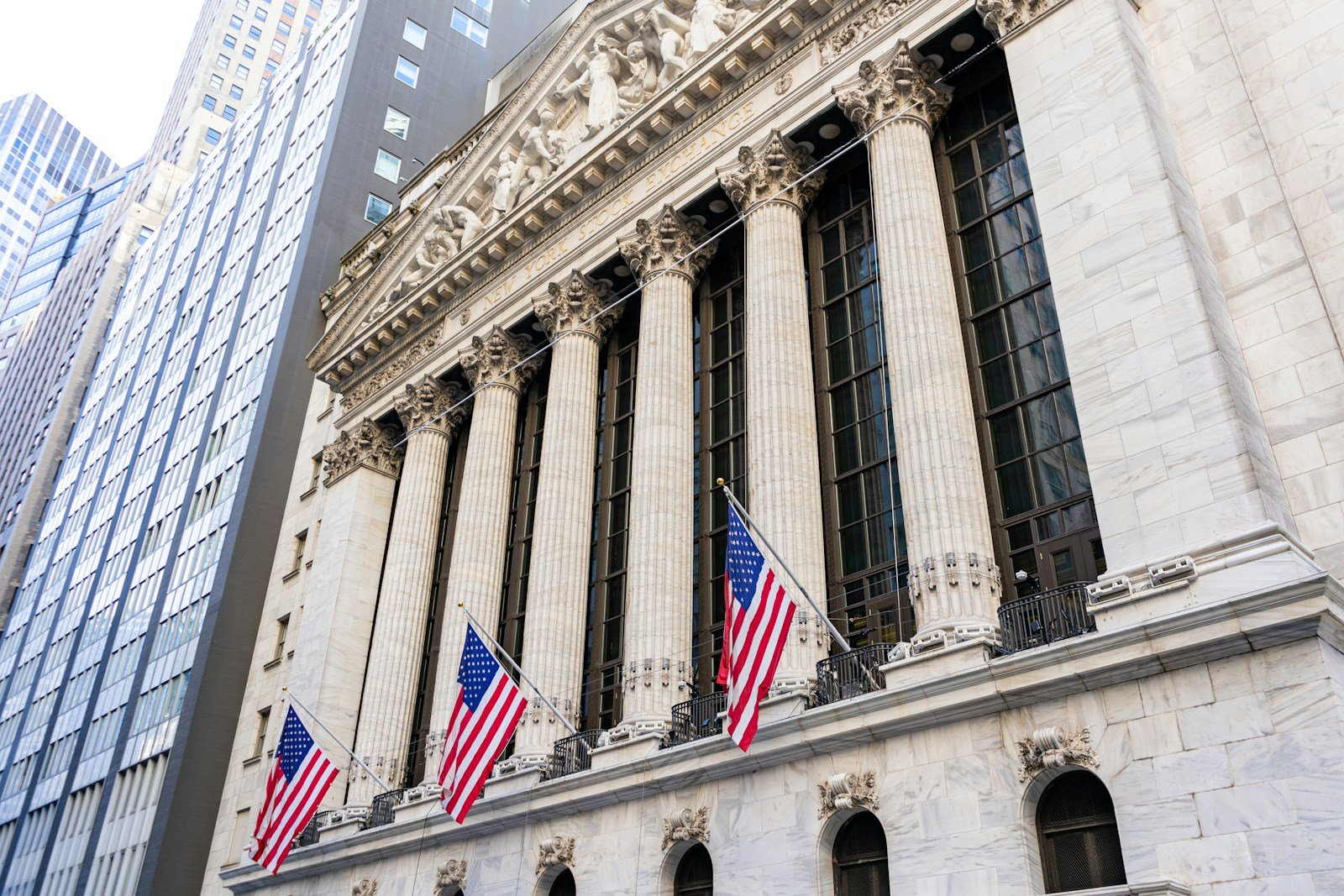
This was not a sudden decision. Penske and Mitsui first floated the idea back in July 2026, offering $210 a share for the roughly 27.8% of the company they did not already control, worth about $3.8 billion at the time. A special committee of independent board members, led by David Hoogendoorn, spent three months negotiating before agreeing to the higher $212 price. Hoogendoorn said the committee “determined that this transaction provided the greatest value for the Company’s minority shareholders,” while Roger Penske himself called it “an important next chapter” for the business. Once the deal closes, expected in the first quarter of 2027 pending shareholder and regulatory sign-off, Penske Corp will hold about 64% of the company and Mitsui 36%, and Penske Automotive stock will stop trading on the New York Stock Exchange entirely.
Just How Big Is Penske Automotive, Really?
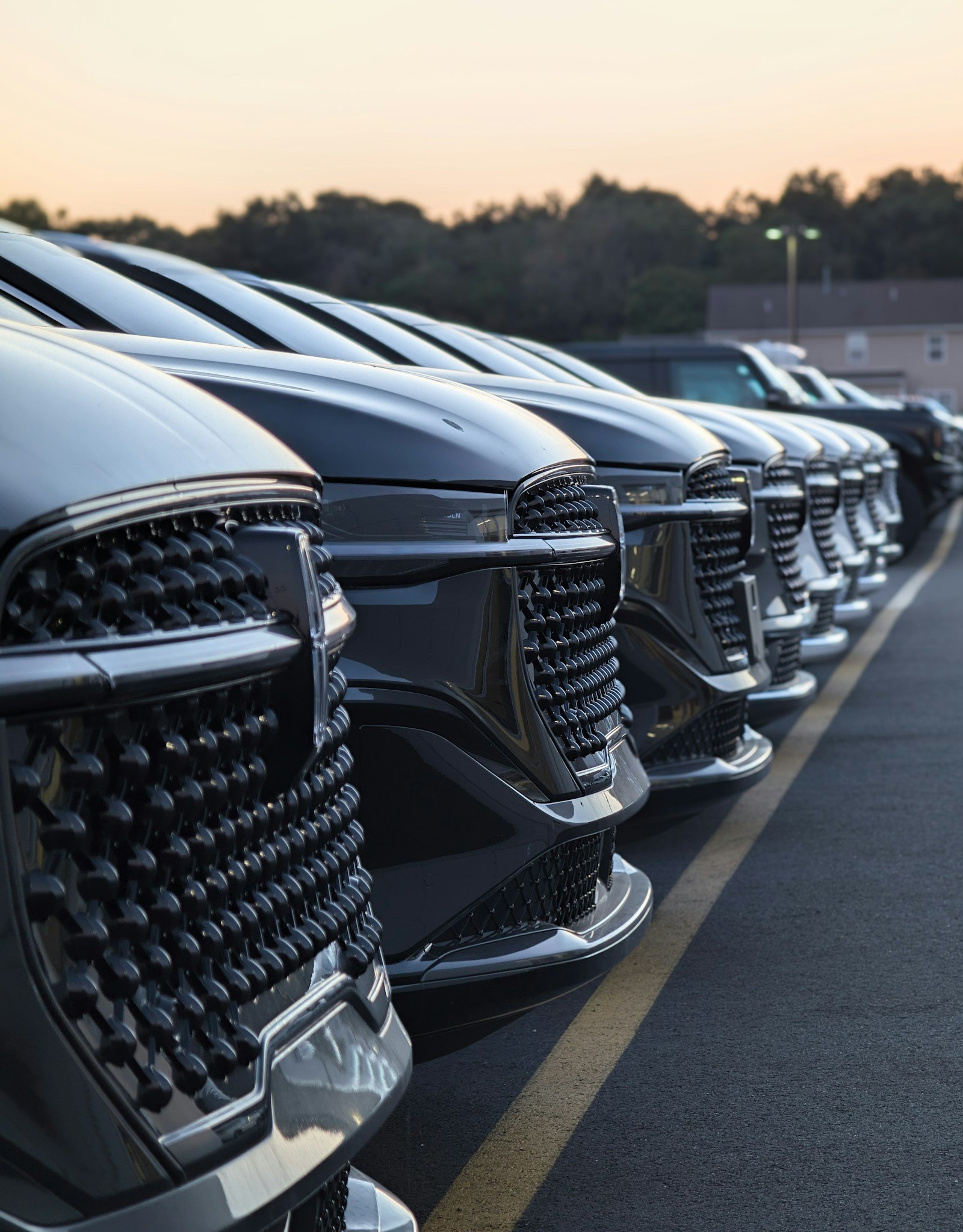
This is the part that surprises most people outside the industry. Penske Automotive is not a single brand you would recognise, it is a holding company that owns 362 dealerships worldwide: 146 in the United States and 216 spread across the UK, Germany, Italy, Canada, Japan and Australia. In Britain it trades as Sytner Group, around 140 stores selling BMW, MINI, Mercedes-Benz, Porsche, Land Rover and Volvo, plus Ferrari through its Maranello-badged outlets. On top of the car side, Penske is also one of the largest Freightliner heavy truck retailers in North America and distributes commercial vehicles and engines across Australia and New Zealand. The company employs more than 28,900 people and sits in the Fortune 500.
Put another way, Penske Automotive has consistently out-valued its closest public rivals, AutoNation and Lithia Motors, both of which trade in the $6 to $8 billion market-cap range. Penske going private removes the biggest name in American public auto retail from the stock market altogether.
Why Take a Winning Business Private Now
The official line from management is that private ownership gives the company “greater flexibility” to balance short-term and long-term priorities without having to satisfy Wall Street’s quarterly earnings expectations. That reasoning lines up with what is happening across car retail globally right now. Dealer groups everywhere are under pressure to spend heavily on EV charging infrastructure, software-based service tools and digital sales channels, all of which cost money upfront and pay off slowly, exactly the kind of investment that public markets tend to punish in the short run. Mitsui, for its part, gets to nearly double its stake in a business it has partnered with for decades, a sign the Japanese conglomerate wants deeper, more permanent exposure to global car and truck retail rather than just a passive shareholding.
There is also a simpler explanation: Roger Penske and his family already controlled a majority of the company. Rolling the rest of the public float into full family and partner ownership is as much about consolidating control as it is about strategy.
“We are pleased to have reached this agreement with Penske and Mitsui, our largest shareholders,” said David Hoogendoorn, chair of the special committee that negotiated the deal on behalf of ordinary shareholders.
What Changes for Customers, and What Does Not
If you own a Penske-run dealership near you, almost nothing changes day to day. The showrooms stay open, the service bays keep running, the brands on sale do not shift, and Penske Corp has said it will keep paying its regular quarterly dividend right up until the deal closes. What disappears is public financial transparency: once Penske Automotive delists from the NYSE, it no longer has to file detailed quarterly results, executive pay disclosures or investor earnings calls for anyone outside the company to see. Its third-quarter 2026 results, due October 28, will in fact be filed without an accompanying earnings call, an early sign of that shift already underway.
For the wider industry, this deal is a marker of a trend worth watching: large, diversified auto retail groups quietly deciding that being a public company is no longer worth the scrutiny, especially while they are trying to fund an expensive, uncertain transition to electric vehicles. Penske has no dealership operations in India, so there is no direct impact here, but the forces pushing it private, heavy EV-era capital spending and thinning margins at the retail end, are the same pressures Indian dealers are already describing publicly this festive season.
Whether this bet pays off will not be obvious for years. But for now, one of the names quietly behind some of the world’s most recognisable car brands has decided it would rather answer to two owners than to the entire stock market.