





























Sweden’s EV pioneer just posted its worst quarter in years, and its fix now runs to 2,500 job cuts.
Volvo Cars swung to an operating loss of roughly SEK 5.6 billion (about $530 million) in the July to September quarter, is cutting 2,500 jobs worldwide, and watched its stock fall more than 20% in a single day of Stockholm trading. If you have been following Volvo’s rough 2026, this is the moment the company stopped calling it a rough patch and started calling it a crisis that needs a bigger fix.
We flagged the first warning sign last month, when Volvo brought in Skoda’s Klaus Zellmer as its next CEO after profits crashed 68% in the previous quarter. Three weeks on, the Q3 numbers show that crash wasn’t a one-off dip. It’s a slide, and it’s getting steeper.
The numbers behind the slide
Revenue for the July to September quarter fell 22.6%, from SEK 86.4 billion a year ago to SEK 66.9 billion now, missing analyst estimates by roughly 10%. Strip out one-off items and joint-venture effects, and the underlying operating result was a loss of SEK 3.7 billion (a -5.6% margin), against a SEK 5.8 billion profit (6.7% margin) in the same quarter last year. Including everything, the reported loss widens to SEK 5.6 billion. Free cash flow was negative SEK 8.9 billion, more than double the previous year’s shortfall.
Global wholesale volumes (the number of cars Volvo actually shipped to dealers) fell 19% year on year, and retail sales dropped 11% to 141,609 cars. The regional split tells you exactly where the damage is coming from.
| Region | Q3 2026 sales | Change vs Q3 2025 |
| Greater China | 20,284 cars | down 40.6% |
| Americas | 30,777 cars | down 14% |
| Europe & rest of world | 90,548 cars | up 2% |
Why China and a slow EV rollout are hurting at the same time
China is the heart of the problem. Volvo’s China revenue fell almost 50% year on year, as homegrown rivals like BYD and Xiaomi undercut it on price in a market that is, as Volvo’s own chief commercial officer put it, showing “no signs of easing.” Volvo doesn’t have the local cost base or the government backing that Chinese brands have, so it’s losing the price war it can’t afford to fight.
In the US, two things are squeezing margins at once: import tariffs, and the rollback of federal incentives for electric and hybrid cars, which has made EVs a harder sell to American buyers right when Volvo needs them to sell well.
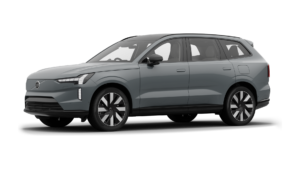
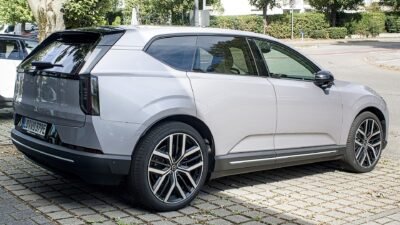
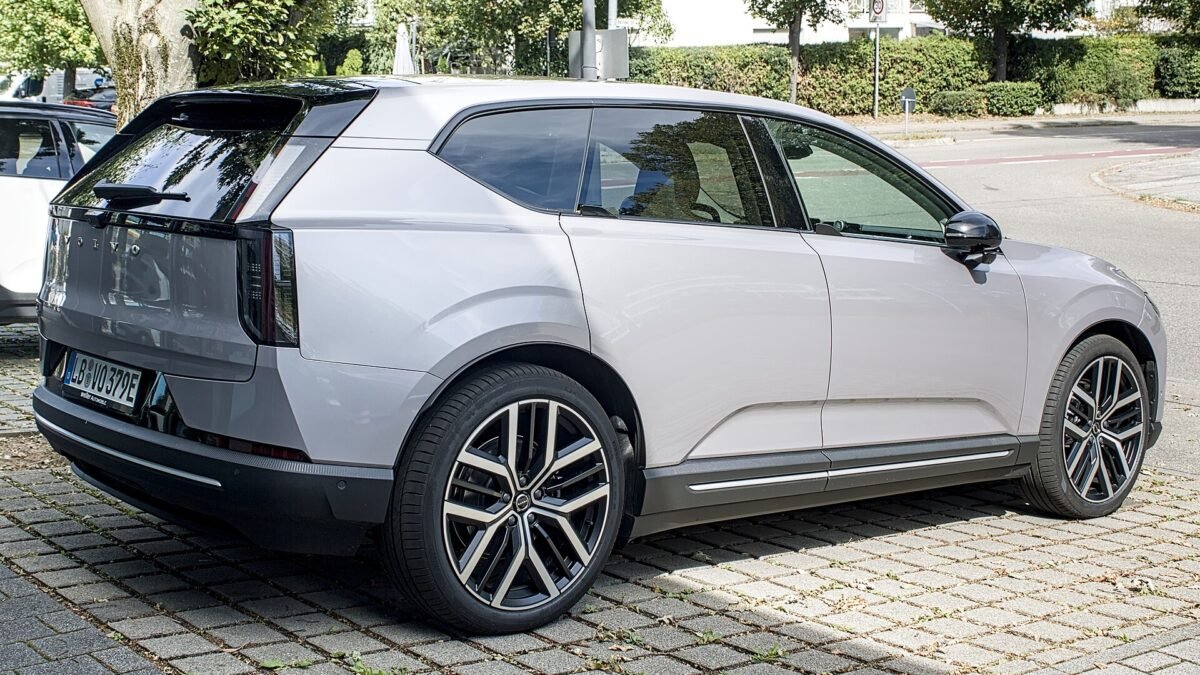
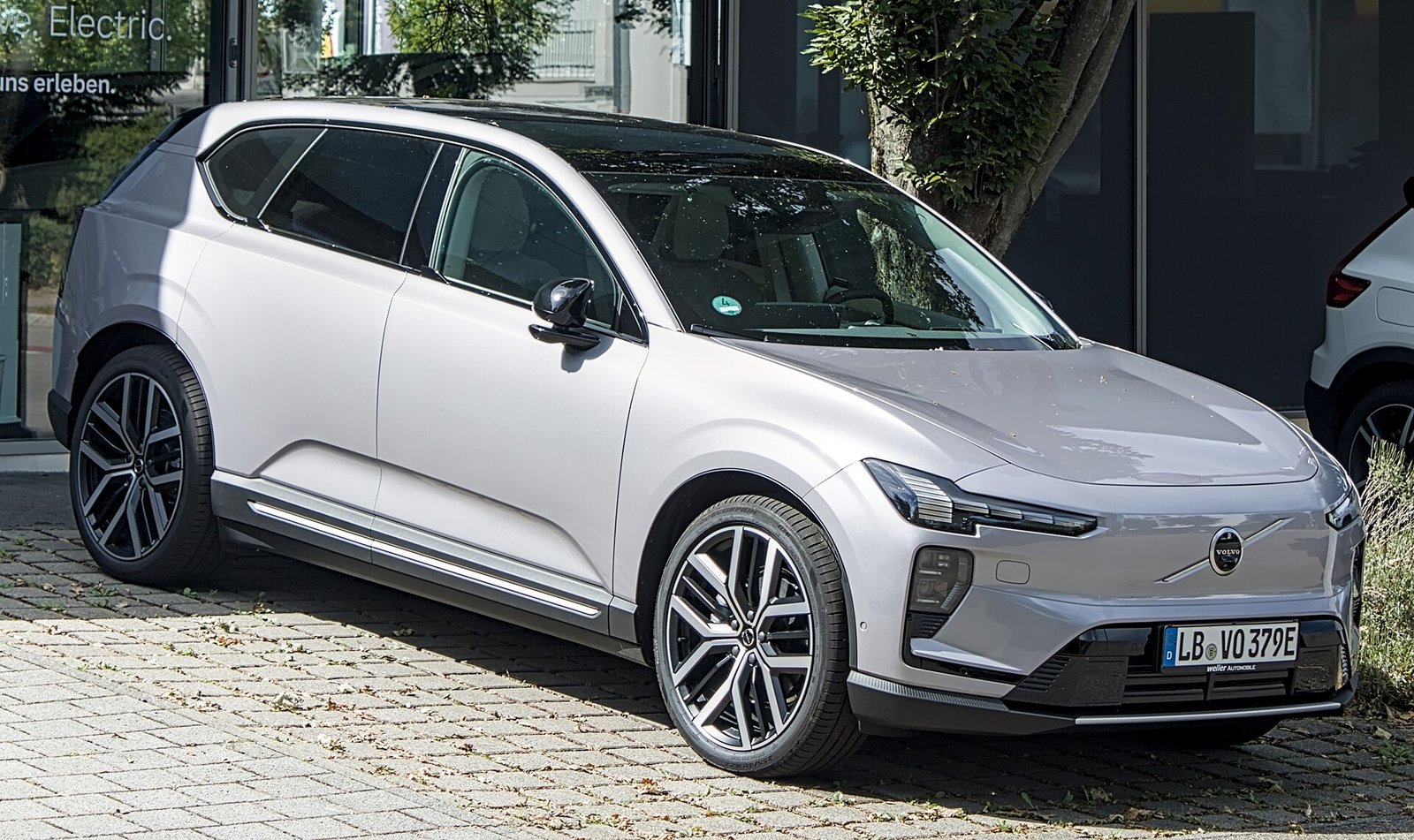
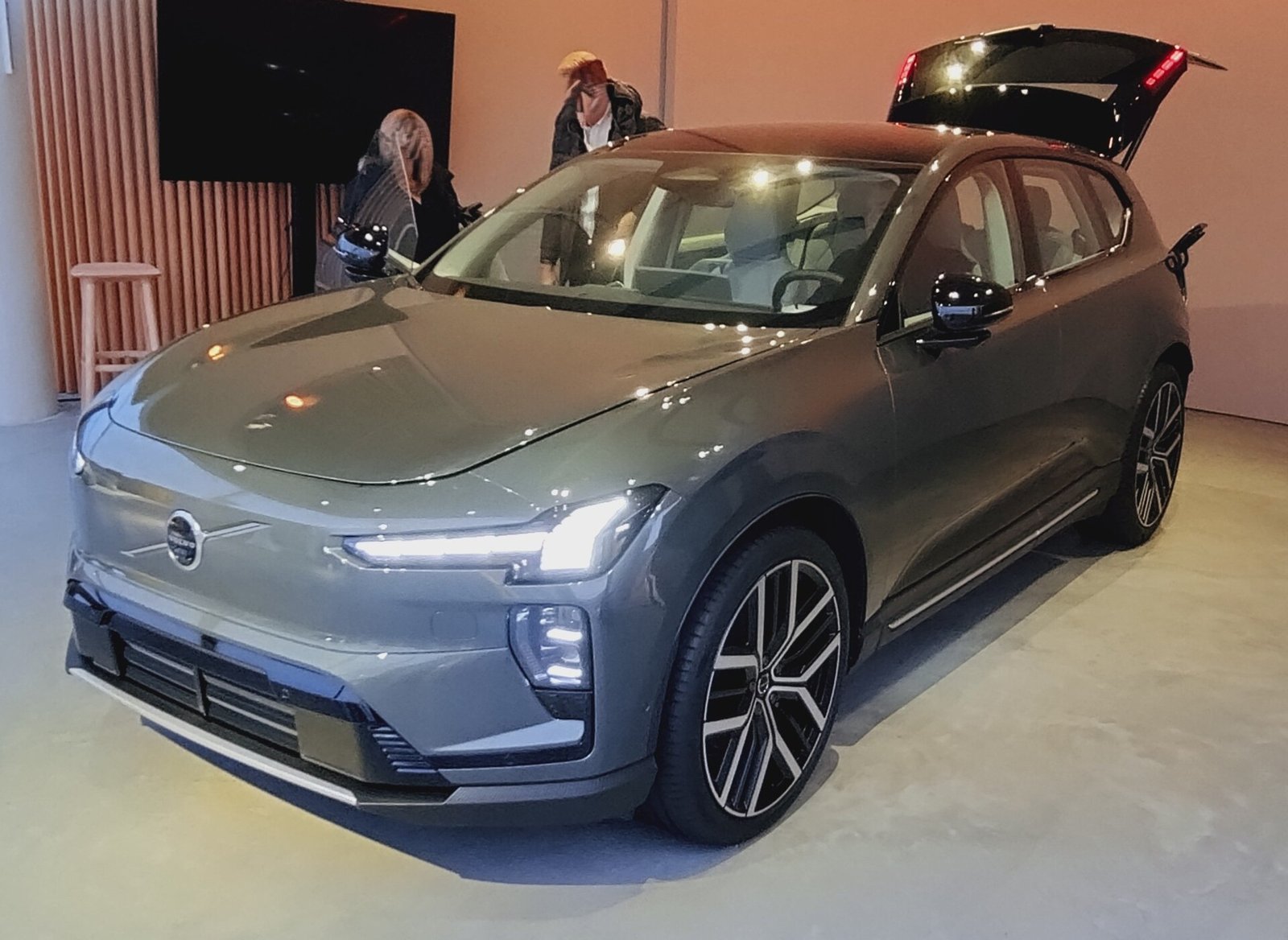
Then there’s the EX60, Volvo’s new flagship electric SUV and the car that was supposed to be this year’s big volume driver. It has more than 50,000 orders in Europe, which sounds like a win, but Volvo has deliberately kept the ramp-up at its Torslanda plant in Sweden slow and careful to protect build quality. That caution is now costing it sales volume it badly needs. On top of that, a change in US emissions rules forced Volvo to write down the value of its CAFE credits (regulatory credits automakers earn for selling cleaner cars, which they can sell to rivals who miss their own targets) by SEK 1.1 billion, and recognising Polestar’s own widening losses added another SEK 0.9 billion hit.
The fix: deeper cuts, and leaning harder on Geely
Volvo’s answer is to cut harder than its existing restructuring plan already called for. Around 2,500 jobs are going globally, 2,000 of them in Sweden, through ending consultant contracts, natural attrition and targeted exit packages rather than one blanket layoff round. That’s on top of the 3,000 office jobs Volvo already announced cutting back in April 2025. A further SEK 5 billion is being stripped from indirect spending and variable costs, with the goal of cutting indirect costs by almost 25% compared with 2024, fully in effect by the end of 2027.
Volvo is also leaning more on its Chinese parent, Geely. Production is being consolidated around five dedicated Volvo plants, and the company is exploring multi-brand assembly, sharing factory lines in Chengdu and Ghent with other Geely-family models, instead of running them purely for Volvo. It’s a practical way to keep expensive factories busy when your own volumes don’t fill them, even if it means Volvo’s manufacturing footprint looks less like an independent company’s and more like a shared Geely asset by the day.
“With severely challenged volumes, we need to reinforce our turnaround plan with additional decisive actions,” said CEO Håkan Samuelsson, who stays in charge until Zellmer formally takes over no later than October 2027.
Why this matters beyond Sweden, and what it means for India
There’s a genuine silver lining buried in these numbers: electrified cars made up 32% of Volvo’s global sales this quarter, up from 22% a year ago, and 45% in Europe specifically. Volvo isn’t failing because people don’t want its EVs. It’s failing because it can’t make and sell them profitably fast enough against cheaper Chinese competition and a US market that just pulled its incentives away.
For Indian buyers, Volvo currently sells the EX30 and the C40/EX40 as its electric offerings, with the EX90 flagship added to the lineup this year as part of a push the brand called its biggest product offensive in 99 years. The EX60 itself is expected in India only in 2027, as the brand’s fourth electric SUV here. Nothing in this earnings call touches that date directly, but a company cutting 2,500 jobs and deliberately slow-walking EX60 production in its home market is not a company racing to speed up a new market launch either. If you’re one of the buyers who has been eyeing an EX60 for India, this quarter is a reason to watch Volvo’s next few announcements closely rather than assume the timeline holds.
The bigger picture is this: Volvo spent the last decade building its reputation on going electric faster and more confidently than almost any legacy automaker. This quarter is proof that building great EVs and selling them at a profit, especially with China’s price war in full swing and the US pulling support, are two very different problems. Fixing the first one clearly isn’t enough anymore.