





















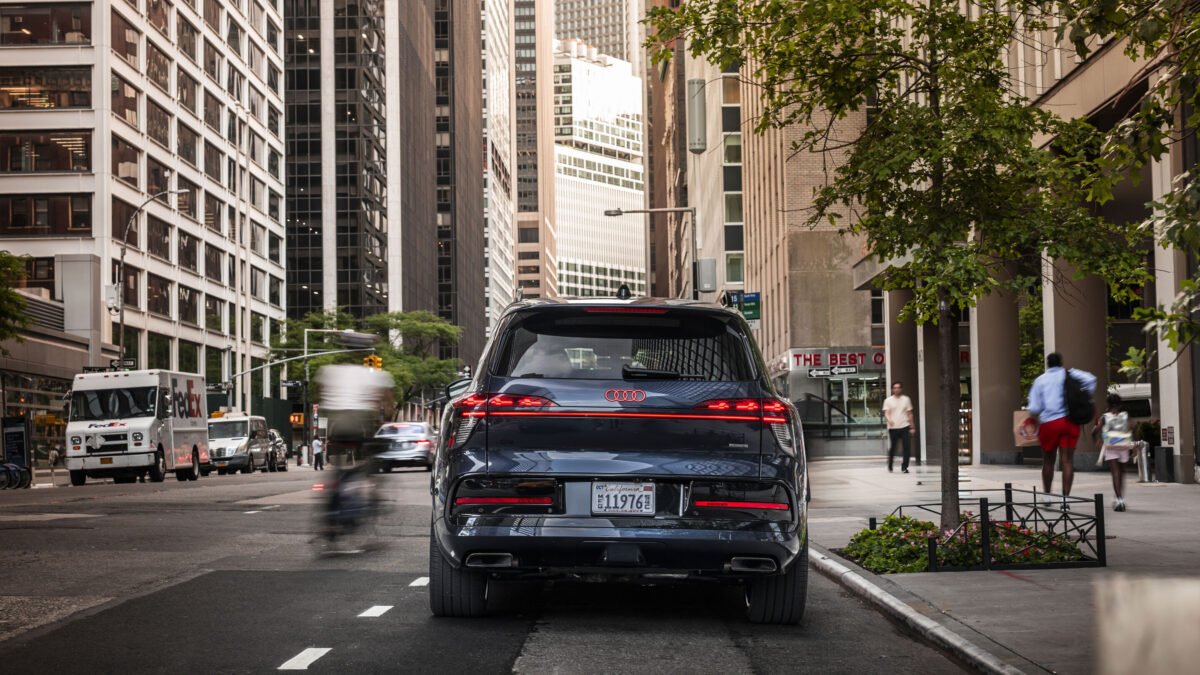
Audi just committed $4 billion to a new Georgia factory that could employ 4,500 people and build its biggest SUVs. Volkswagen’s own board hasn’t signed off on it yet.
Here’s the headline number: $4 billion, a plant near Macon, Georgia, and room to build up to 200,000 SUVs a year once it’s running. President Trump announced the plan himself at a rally in Perry, Georgia on October 24, standing next to the promise of thousands of new factory jobs in a state that already builds Hyundai and Kia EVs. For Audi, a brand that currently builds nothing in the United States and ships every single car it sells here across an ocean, this is as big a shift as the company has made in decades.
Why should you care if you’re nowhere near Georgia? Because this is what a tariff fight actually looks like once it stops being a headline and starts rearranging where cars get built. A tariff is simply a tax a government charges on goods crossing its border, and for the last couple of years the United States has charged a steep one on imported cars. Every Audi sold in America today arrives from factories in Germany, Mexico or Slovakia, which means every single one eats that tax before it reaches a dealership. Audi’s own CEO, Gernot Döllner, has admitted the brand is currently losing money in the US because of it.

Why Audi Is Doing This Now
Döllner put it plainly: “Audi can only be successful if we have a global footprint.” Building in America is the only way to make a car without the tariff attached, and Audi has been circling this decision for over a year, at one point reportedly shelving the idea when the numbers didn’t work. What changed is a mix of mounting US losses and ongoing talks with the Trump administration over tariff relief for automakers that build locally. Döllner called it “a long-term investment because we believe in the American market,” and Trump, who has made reshoring factory jobs a signature promise, called the plan “incredible.”

What’s Actually Being Built, and When
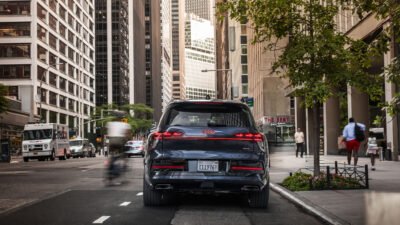
The Macon plant is expected to break ground next year, with the first cars not rolling off the line until the early 2030s, so don’t expect to see a US-built Audi anytime soon. Exactly which models will be built there is still murky: some reports point to the new three-row Q9, Audi’s biggest-ever SUV, which just had its US debut in New York, alongside the Q5; other reports name the Q7 and Q8 instead. What’s consistent across every version is the theme, big, profitable SUVs that American buyers already queue up for, built close to the customers who buy them instead of shipped across the Atlantic.
| Investment | $4 billion |
| Location | Near Macon, Georgia |
| Annual capacity | Up to 200,000 vehicles |
| New jobs | 4,500 |
| Construction starts | 2027 |
| First vehicles | Early 2030s |
| VW board decision | Expected November 2026 |
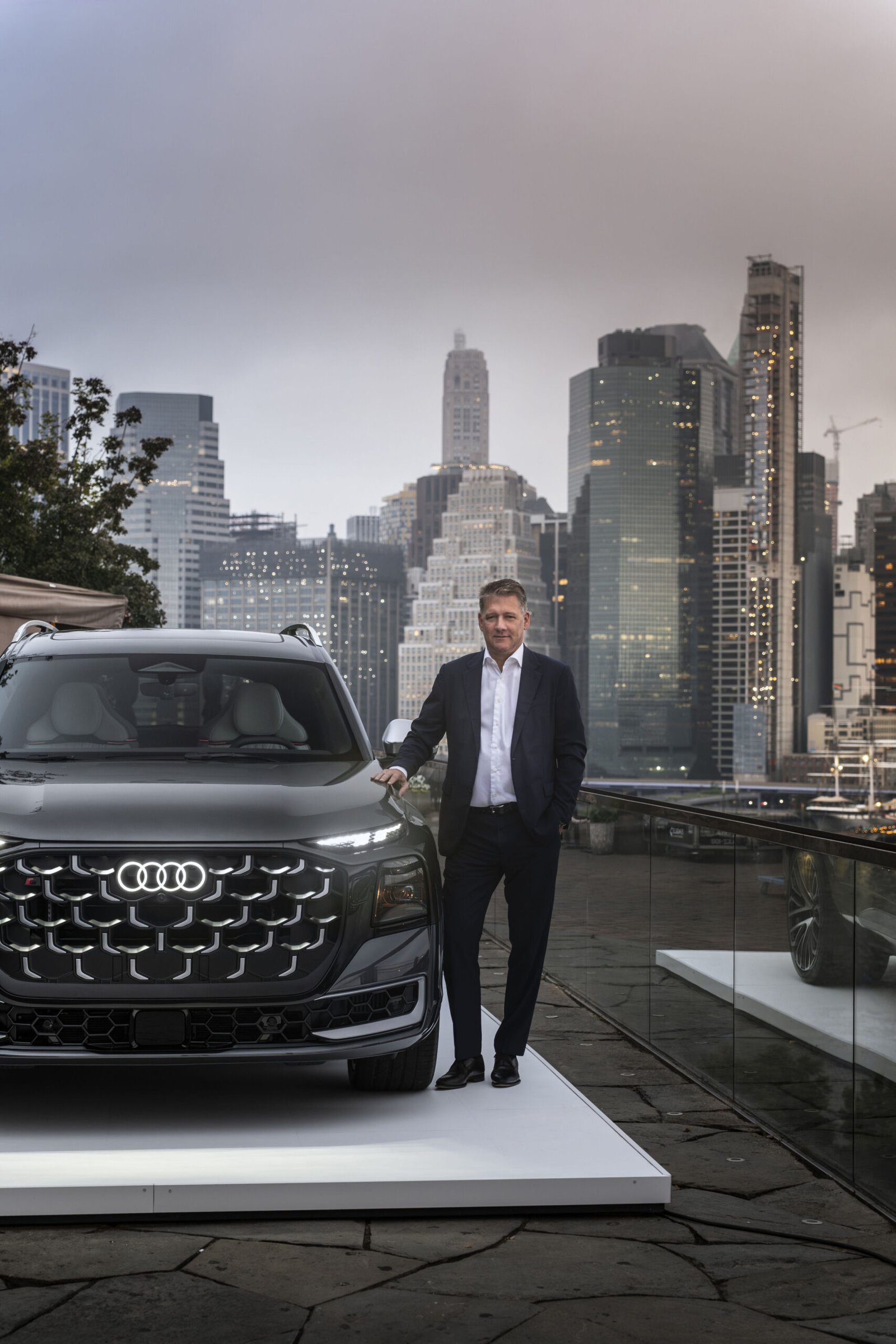
The Catch: Volkswagen Hasn’t Said Yes
Here’s the part that didn’t make it into the rally speech: Audi’s parent company, Volkswagen, hasn’t actually approved this yet. The final call sits with VW’s supervisory board, half of whose seats are held by worker representatives, and a decision isn’t expected until next month. That’s a real hurdle. VW’s own works council responded to the announcement with a pointed line, that any new production “always has to complement and benefit existing sites in the global production network,” which is corporate-speak for don’t you dare build this in Georgia and quietly shrink something in Germany.
That caution isn’t paranoia. Just last month, Volkswagen agreed to double its global job cuts to 100,000 positions, around 15 percent of its entire workforce, as part of a brutal restructuring drive. German unions are in the middle of tense wage and investment talks back home, and a flashy $4 billion American factory lands awkwardly next to tens of thousands of German layoffs. Worker representatives have signalled they may demand concessions before they wave this through.
Georgia Is Becoming America’s SUV Belt
If the Macon plant does go ahead, Audi would be joining a crowd. Georgia already hosts Hyundai’s sprawling electric vehicle plant near Savannah and Kia’s factory in West Point, making the state one of the busiest car-manufacturing corridors in the American South. For Audi, building there means tapping into a supplier network and skilled workforce that two rival Korean brands have already built up, rather than starting from zero.
Audi is betting $4 billion that American tariffs are here to stay long enough to make a local factory worth it. Whether that bet survives a vote of Volkswagen’s own board, with German jobs sitting on the other side of the scale, is still genuinely an open question.
For now, nothing changes for anyone shopping an Audi, in the US or anywhere else. No ground has been broken, no board has voted, and the earliest a Georgia-built SUV reaches a driveway is years away. But the announcement itself says something bigger: even Germany’s proudest luxury brand is now rearranging its global map around US tariffs, and it won’t be the last one to do it.