
























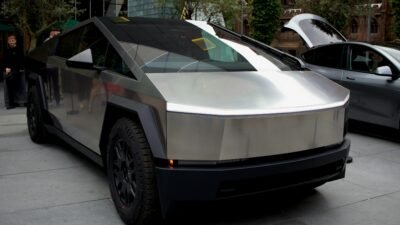

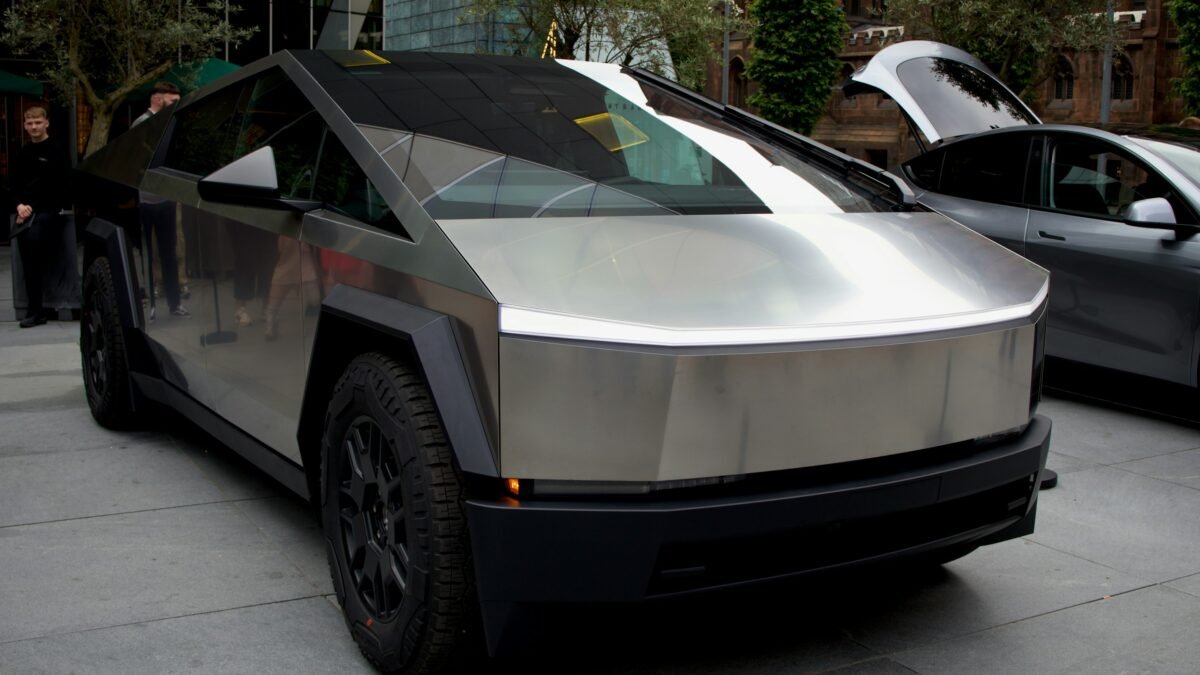
Tesla has told Cybertruck reservation holders in Australia and New Zealand, some of whom have been waiting since 2019, that the truck is never coming. Full refunds are on the way, and the reason comes down to one word: steering wheel.
On October 23, a day after Tesla posted its Q3 2026 earnings, reservation holders in both countries started getting an email that put an end to nearly seven years of waiting. It read: “After careful consideration, plans to produce Cybertruck for Australia and New Zealand have been discontinued. As a result, we’re unable to fulfil your reservation and it will be cancelled.” No press release, no event, just an email closing the book on a vehicle people had put money down on before most of us had heard the word Cybertruck.
If you’ve been following Tesla, this isn’t really a surprise. But it’s the first time the company has said it outright, and it tells you a lot about how Tesla thinks about markets outside the US.
What Tesla Actually Told Buyers
Reservations in Australia opened in November 2019 for a A$150 deposit, just days after the Cybertruck’s infamous unveiling where the “unbreakable” window got a steel ball thrown through it on stage. New Zealand buyers paid a similar amount. Tesla says every rupee, dollar, and cent will be refunded in full, processed within 30 days of a follow-up confirmation email. As a consolation prize, anyone who orders a Model Y or Model 3 instead gets a free one-year subscription to Full Self-Driving (Supervised), worth around A$1,788.
This isn’t the first time Tesla has gone quiet on Australian and New Zealand buyers. In May 2022, the company pulled the order button off its local site without a word and swapped it for a vague “Get updates” link. Nobody got their money back then. In 2024, Tesla even shipped a single left-hand-drive Cybertruck Down Under for a promotional tour, and Elon Musk told shareholders the company “might” certify it for other markets “sometime next year.” That year has come and gone, and the answer turned out to be no.
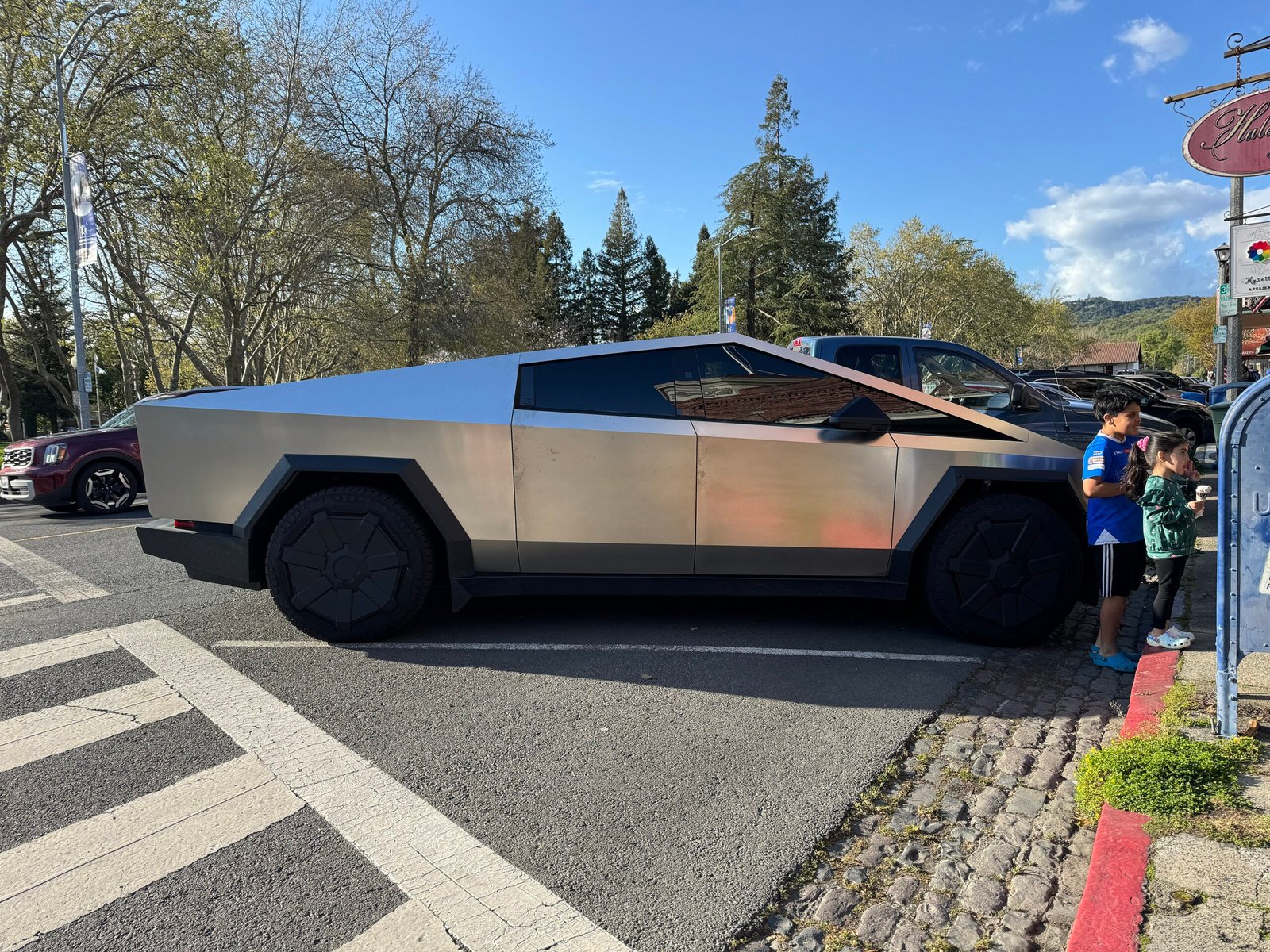
Why Right-Hand Drive Was Always the Catch
Here’s the technical explainer: every Cybertruck built at Giga Texas comes with the steering wheel on the left, because that’s how most of Tesla’s biggest markets, the US, China, and Europe, drive. Australia, New Zealand, the UK, Japan, and India all drive on the left side of the road, which means the steering wheel needs to sit on the right. Converting a vehicle’s entire structure, from the dashboard and pedal box to the steering column and crash-safety systems, to the other side isn’t a trim-level change. It’s close to re-engineering the front of the car, and that costs real money in tooling and validation.
Tesla was reportedly looking into exactly this for Australia as recently as last year, with a local executive saying the company was “working pretty hard” on a right-hand-drive version. That work, it now seems, didn’t clear the bar. And the bar is a demand problem as much as an engineering one.
The Sales Numbers Explain the Timing
Tesla doesn’t break out Cybertruck deliveries on its own, folding them into an “Other Models” line that’s now almost entirely Cybertruck since the Model S and Model X wound down. That line came in at 8,295 units for Q3 2026, an annualised pace of roughly 30,000 trucks a year. The Cybertruck line at Giga Texas was originally built to turn out 250,000 a year. US estimates for the first nine months of 2026 put total sales at under 12,000 units, down sharply from the roughly 39,000 Cybertrucks Tesla sold in all of 2024. Every market Tesla has opened for the Cybertruck since, South Korea late last year, the UAE in January, with order pages live in Saudi Arabia, Qatar, and Jordan, drives on the right side of the road with the wheel on the left. The EU still won’t allow it in at all, citing pedestrian-safety rules around its unclad stainless-steel edges. Spending tens of millions of dollars re-engineering a truck that’s already selling at a fraction of its built capacity, for a combined market of about 33 million people, was never going to make the cut once the demand numbers were this soft.
| Market | Steering side needed | Cybertruck status |
| Australia | Right-hand drive | Cancelled, October 2026 |
| New Zealand | Right-hand drive | Cancelled, October 2026 |
| United Kingdom | Right-hand drive | Never offered |
| Japan | Right-hand drive | Shown, never offered for sale |
| India | Right-hand drive | No plan ever announced |
| European Union | Left-hand drive | Blocked on safety rules |
What This Means If You’re Reading From India
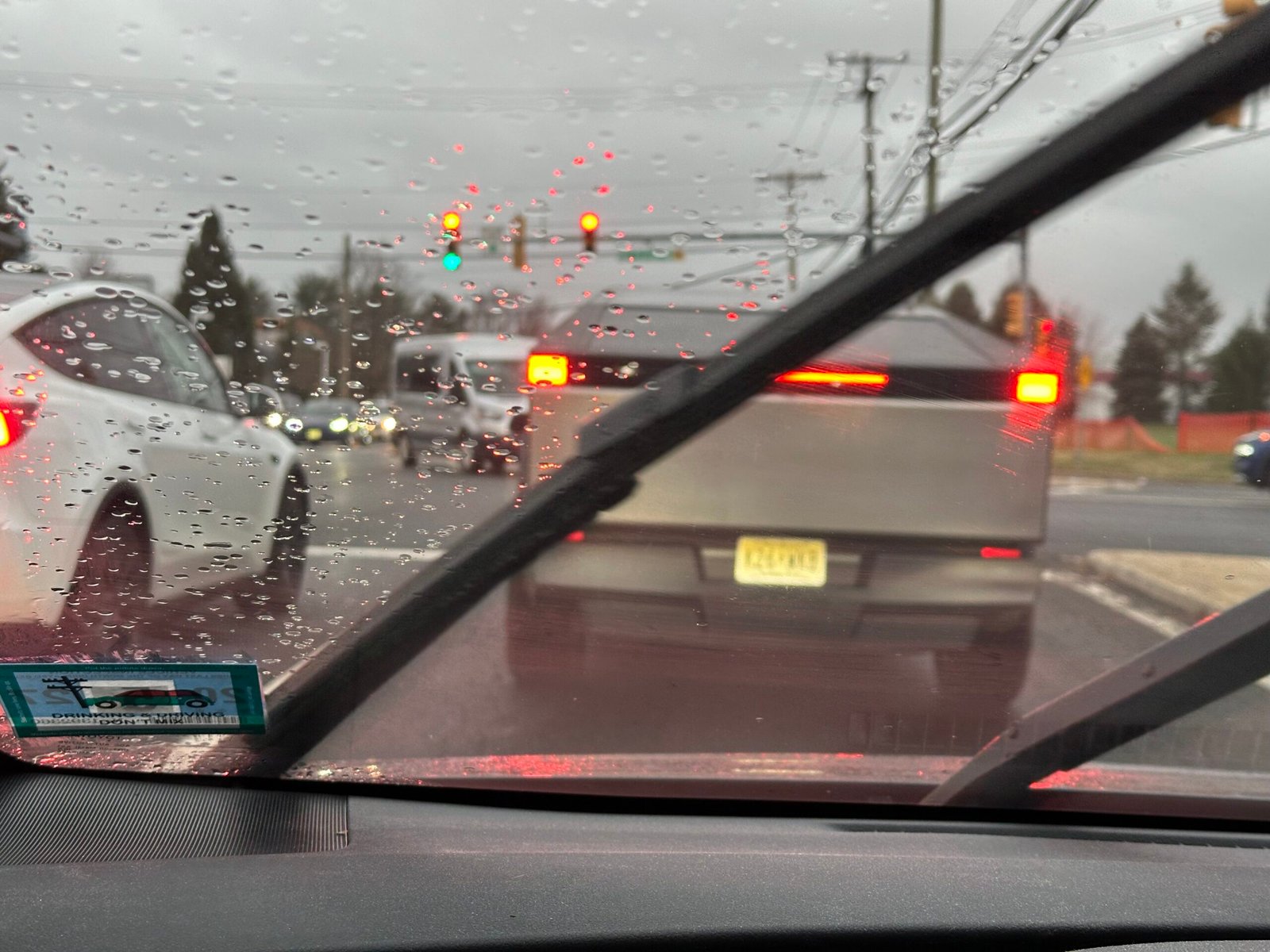
India never had an official Cybertruck queue to begin with, so nobody here is losing a seven-year-old deposit. But the timing is still worth paying attention to. Tesla’s only Indian showroom, in Mumbai’s Bandra Kurla Complex, has been selling a right-hand-drive Model Y since July 2025, built at Tesla’s Shanghai plant and shipped in as a fully built unit. That proves Tesla is perfectly capable of getting a right-hand-drive car onto Indian roads when the business case works. The Cybertruck, with its steer-by-wire system that engineers once called an easier starting point for a right-hand conversion than most trucks, simply never got that green light anywhere.
With Australia and New Zealand now shut, the honest read is that a Cybertruck for India isn’t just unannounced, it’s off the table in every practical sense. Tesla’s Q3 earnings, posted the day before this cancellation email went out, already showed a company leaning hard into robotaxis and cheaper models rather than low-volume halo products. The Cybertruck looks increasingly like a car Tesla built for one market and showed off everywhere else.
The Cybertruck was never short on attention. It was short on a reason for Tesla to spend real money making it work anywhere the wheel sits on the right.
For the roughly 33 million people across Australia and New Zealand who can finally stop waiting, there’s at least closure, and a refund. For everyone else in a right-hand-drive country watching from the sidelines, this is about as clear a signal as Tesla has given that the wait was never going to end differently.