

























Mercedes-Benz just cut its own profit forecast for the second time this year, and the numbers it published on 28 October 2026 explain exactly why: China, once its biggest market, is shrinking so fast that no amount of cost-cutting elsewhere can fully cover for it.
On the surface, Mercedes-Benz’s third-quarter results look strong. Group EBIT (earnings before interest and tax, basically the profit a company makes from actually running its business, before the taxman and lenders take their cut) came in at €1.8 billion, up a startling 136% from a year earlier. But that jump is mostly an illusion. In Q3 2025, Mercedes was eating heavy restructuring and legal costs that dragged profit down artificially low. Strip that away, and the real story in this report is not a comeback. It is a carmaker whose home turf in China keeps crumbling, forcing it to lower its targets again just three months after the last cut.
What actually happened
Group revenue fell 5% year on year to €30.7 billion. Mercedes-Benz Cars, the division that sells the actual cars you’d recognise on the road (as opposed to Vans or the Financial Services arm that leases and insures them), delivered 407,000 units in the quarter, down 8%. Here is the part that matters: sales outside China actually grew 1% in the same period. The entire 8% decline came from one country. China’s overall car market has contracted by more than 20% this year, and Chinese buyers are increasingly choosing domestic brands like BYD and Nio over German luxury badges, especially in electric and hybrid segments where local players now out-spec and undercut Mercedes on price.
China’s share of Mercedes-Benz Cars sales has fallen to roughly 20%, a market that used to be the company’s single largest source of volume and profit. That is the headline number everyone in the industry will be watching: not whether Mercedes made money this quarter, but how much longer it can keep losing ground in the world’s biggest car market without a real answer.
| Metric | Q3 2026 | Change YoY |
| Group revenue | €30.7 billion | Down 5% |
| Group EBIT | €1.8 billion | Up 136% (vs a weak 2025 comparison) |
| Mercedes-Benz Cars unit sales | 407,000 | Down 8%, all of it China |
| Sales outside China | n/a | Up 1% |
| BEV (battery-electric) sales | 68,000 | Up 61%, a quarterly record |
| Cars adjusted return on sales (Q3) | 2.5% | Full-year guidance cut to 2-3%, from 3-5% |
Why the guidance cut matters more than the profit number
Return on sales is simply how many paise (or cents) of profit a company keeps from every rupee (or euro) of car it sells, after costs. A few months ago, back in July, Mercedes was still telling investors to expect 3-5% return on sales for the Cars division this year. Now that range has been cut to 2-3%, which in plain terms means Mercedes expects to make noticeably less profit on every car it builds than it thought it would just one quarter ago. For a brand that built its entire image on fat margins and premium pricing, that is a genuine structural problem, not a one-quarter blip.
Cash flow tells the same story from a different angle. Mercedes’ industrial free cash flow, the actual cash left over after running the business and investing in it, fell 87% year on year to around €200 million in the quarter, which the company linked to working capital pressure (money tied up in unsold inventory and components rather than sitting in the bank). The Cars division’s own adjusted cash flow for the quarter was actually negative, at roughly minus €178 million. Year to date through September, group industrial free cash flow stood at €3.1 billion, so the business as a whole is still generating cash. But the trend inside this specific quarter is not a healthy one.
The one genuinely good number: electric cars
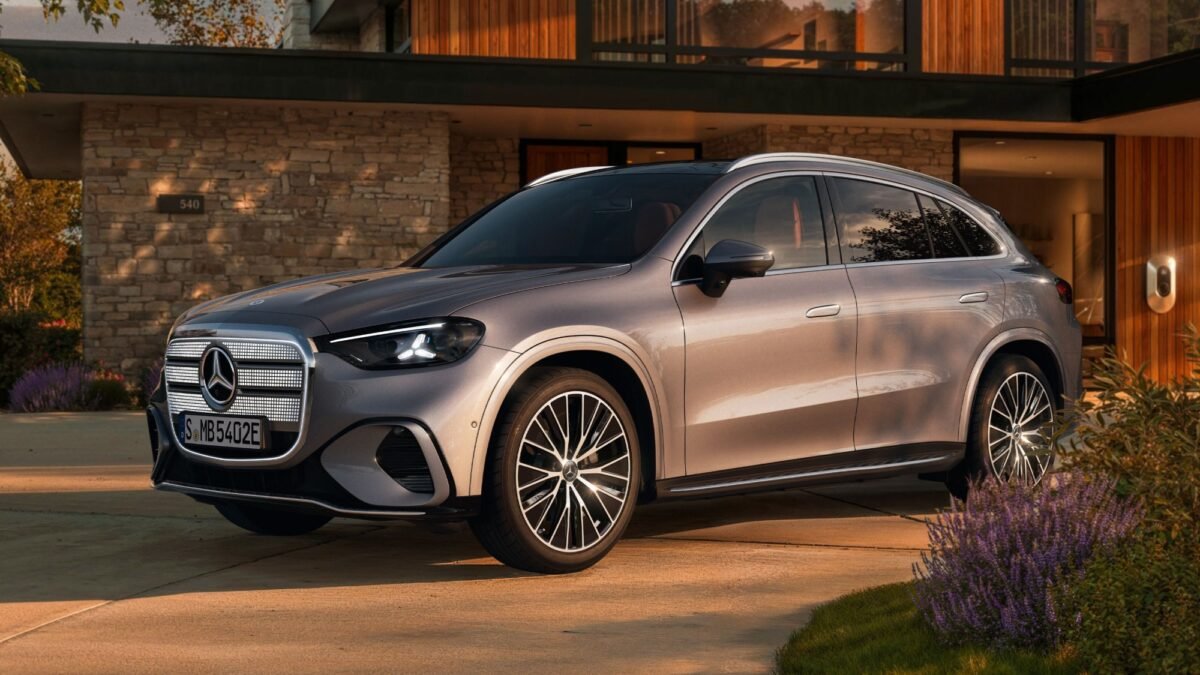
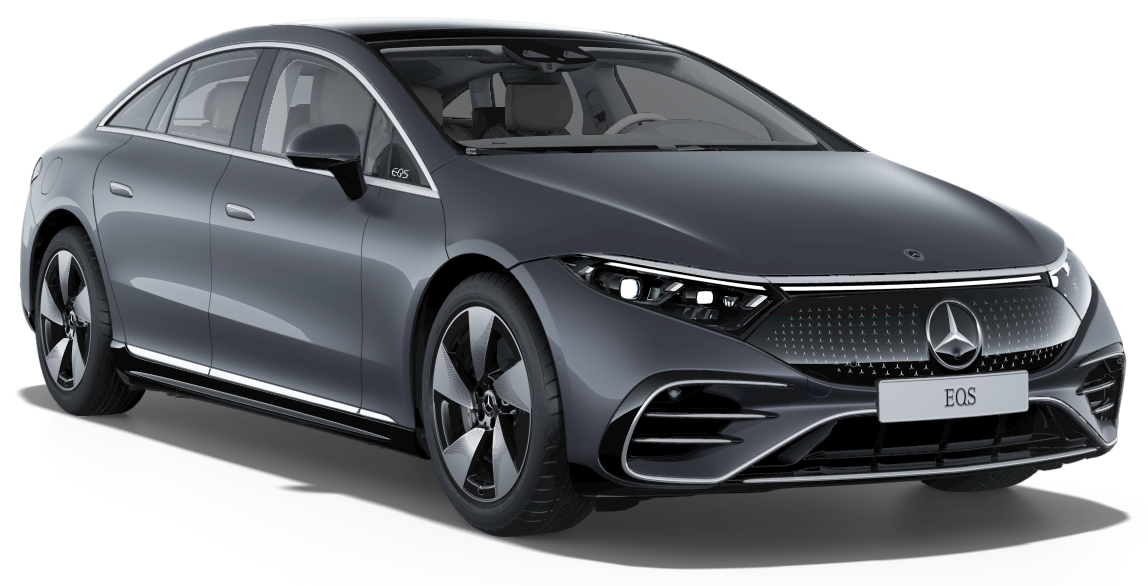
Buried inside an otherwise gloomy quarter is a real bright spot. Mercedes sold 68,000 battery-electric vehicles (BEVs, cars that run purely on a battery with no petrol engine at all) in Q3, up 61% from 43,000 a year ago. That is the highest quarterly BEV number the company has ever posted. In Europe specifically, BEV sales jumped almost 78%. Models like the EQS sedan and the newer electric GLC are finally finding buyers in meaningful numbers, right as the rest of the lineup struggles in China. It is not enough to offset the China hole yet, but it is the clearest sign in this report that Mercedes’ EV push, which has eaten billions in investment over the past five years, is starting to convert into actual sales.
The verdict: Mercedes is not in crisis, its balance sheet is still solid and EVs are genuinely taking off. But the China business that funded this company’s premium pricing for two decades is shrinking structurally, and a second guidance cut inside three months says the company itself does not yet have a fix.
What this means in India
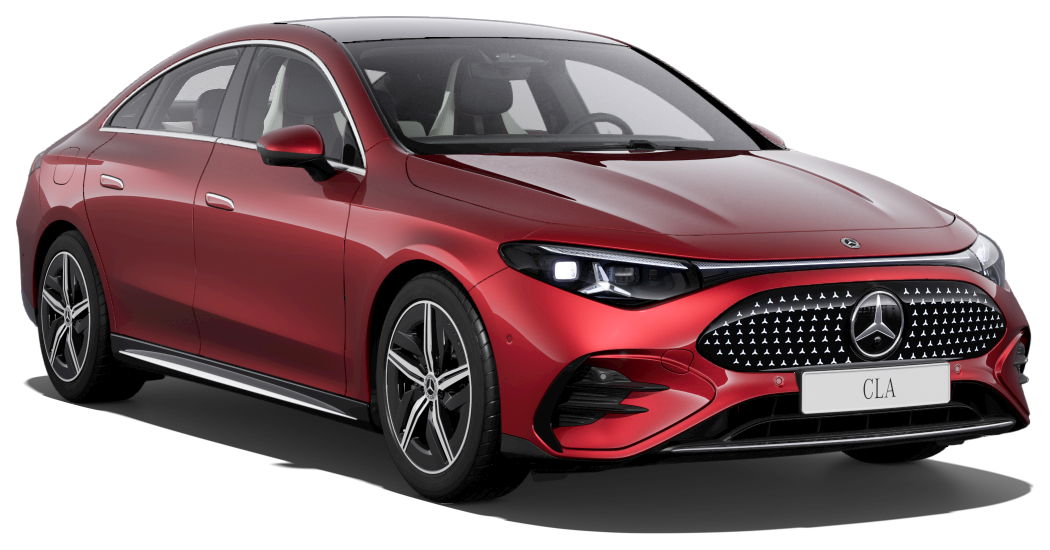
While China drags the global numbers down, Mercedes-Benz India is having its best year ever, a contrast that is hard to miss. The brand retailed 5,422 units in India in the July-September quarter, up 6% year on year and its best-ever third quarter, taking nine-month sales past 15,000 units for the first time. The long-wheelbase E-Class remains its top seller here, and electric demand is climbing too: the Mercedes-Benz CLA Electric has already crossed 1,000 bookings in India, with its range-topping MANUFAKTUR edition completely sold out for the rest of the year.
The next big India move lands soon too. The electric GLC, assembled locally at Mercedes-Benz India’s Chakan plant near Pune, launches here on 4 November 2026 with over 650 bookings already in hand ahead of launch, and is expected to be priced around ₹80-90 lakh. For a market where Mercedes is actually growing, that is a genuinely significant local launch, even as the same company trims its global targets a continent away. It is a reminder that “Mercedes-Benz” is not one single story right now. It is a German-and-Chinese luxury business under real pressure, and an Indian one that is, for the moment, firing on all cylinders.