
























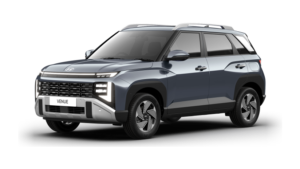

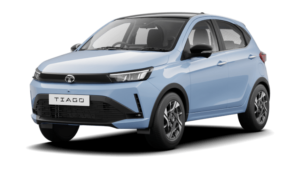




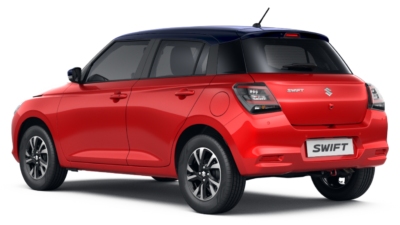

Four of India’s biggest carmakers are making their cars more expensive before the new year. Maruti Suzuki’s hike landed on November 22, Tata Motors and Hyundai follow on December 1, and Audi adds its own increase on January 1, 2027. All four blame the same thing: input costs that have outrun what festive-season discounting can absorb.
None of this is a one-off. It is the fourth round of price increases in 2026 for three of these four companies, and it is arriving in the same month that industry data showed festive retail sales falling, not rising, for the first time in years.
Who Is Raising Prices, By How Much, and When
| Carmaker | Increase | Effective | 2026’s hikes so far |
| Maruti Suzuki | About 0.31% (volume-weighted average), select models | November 22, 2026 | 4th (June, August, September, November) |
| Tata Motors | About 0.5% average, entire range including EVs | December 1, 2026 | 4th (April, July, September, December) |
| Hyundai | Up to ₹8,000, select models and trims | December 1, 2026 | 4th (January, mid-year, September, December) |
| Audi | Up to 2% across the range | January 1, 2027 | 2nd (April, January) |
None of the four companies has named the specific models or variants affected by this latest round, which is unusual: Hyundai’s last increase, in September, was itemised down to the Creta and Venue by name. Maruti Suzuki and Tata Motors have historically confirmed exact figures within a week of the effective date, through their own dealer networks, so expect the fine print to follow.
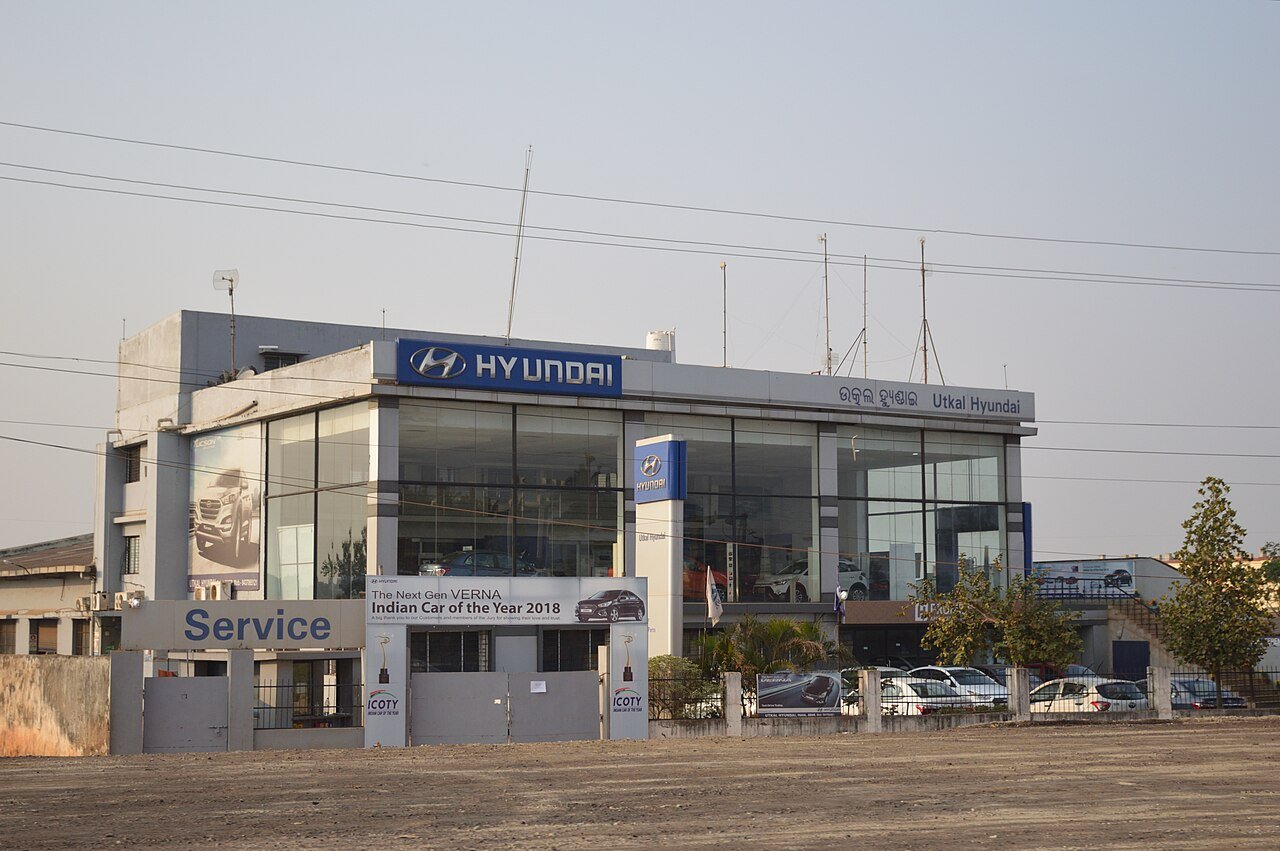
Why Prices Are Rising While Showrooms Are Quieter
This round lands awkwardly against the sales data. The 42-day festive season that ended November 21 saw passenger vehicle retail sales fall 7.16% year-on-year, to 748,616 units from 806,322 a year earlier, per industry body FADA. That is the opposite of what festive season usually does to Indian car sales.
Weak demand would normally argue for holding prices, not raising them. What is forcing the hikes instead is the cost side. All four companies cite sustained pressure from input costs; one outlet’s reporting on the Maruti Suzuki round links the pressure to the West Asia conflict and a weaker rupee, both of which raise the landed cost of imported components and raw materials.
Tata Motors Passenger Vehicles makes the squeeze concrete. It posted a consolidated net loss of ₹5,531 crore for the quarter ended September 30, 2026, which included a one-time exceptional charge of ₹6,738 crore, even as revenue rose 34.3% to ₹96,340 crore. A company absorbing that kind of exceptional hit, while also saying it has already absorbed part of its rising input costs, is not raising prices to chase margin. It is raising them because it has run out of room not to.
How Many Times Your Car Has Gotten More Expensive This Year
A single hike announcement reads as small change. Stacked up, 2026 has been a year of near-constant small increases for three of these four brands.
| Carmaker | Increases in 2026 | Rough cumulative effect |
| Hyundai | 4 (January, mid-year, September, December) | About 1.4% before this round, now higher |
| Tata Motors | 4 (April, July, September, December) | Roughly 2.5-3% stacked, by the reported percentages |
| Maruti Suzuki | 4 (June, August, September, November) | Several rupee-value hikes plus a 0.31% weighted-average round |
| Audi | 2 (April, January 2027) | Up to 4% stacked across the two |
Read that table and the picture is clearer than any single headline: this is not a one-time correction, it is a drip that has run through most of the calendar year.
Should You Buy Before the Hike or Wait?
For a budget hatchback from Maruti Suzuki, a 0.31% weighted-average hike works out to a few hundred to a couple of thousand rupees on most variants, genuinely not worth rushing a booking over. The same goes for most of Tata Motors’ range at 0.5%, and for Hyundai’s up-to-₹8,000 figure if you are buying a Creta or Venue rather than a Grand i10 Nios, where ₹8,000 is a bigger share of the price. Anyone shopping in the segments covered on our list of cars under ₹10 lakh is looking at the smallest absolute hit in rupee terms, even if the percentage is similar.
Audi buyers have the clearest reason to act before January 1: a 2% hike on a car priced in tens of lakhs is a real number, and it is Audi’s second increase inside a year. If you are already in a dealership negotiation for any of these four brands, ask explicitly whether your booking is locked at today’s price or the invoice price on delivery; several buyers in past rounds have been caught by a hike landing between booking and delivery.
None of the four manufacturers describes this as a pause. Expect this pattern, a small hike every few months, to continue rather than end with this round.
Frequently Asked Questions
Will car prices rise again after January 2027?
Nothing has been announced yet beyond Audi’s January 1 hike, but all four companies have raised prices three to four times already in 2026, averaging roughly one hike per quarter. Treat another round in the first half of 2027 as likely rather than unusual.
Why are carmakers raising prices when festive sales just fell?
Because the cost pressure is separate from demand. Input costs, components, raw materials and logistics, have kept rising regardless of how many cars are selling, and manufacturers have said they already absorbed part of that cost before passing the rest to buyers. Tata Motors Passenger Vehicles’ exceptional charge and net loss this quarter show how little room some of them have left to keep absorbing it.
Which of these four hikes is the biggest?
By percentage, Audi’s up-to-2% round is the largest. In absolute rupees, it depends on the car: Hyundai’s up-to-₹8,000 figure is a bigger share of the price on an entry hatchback than on a Creta, while Maruti Suzuki’s 0.31% weighted average and Tata Motors’ 0.5% average work out to smaller absolute numbers on cheaper models.