
















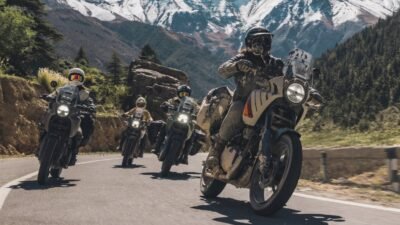
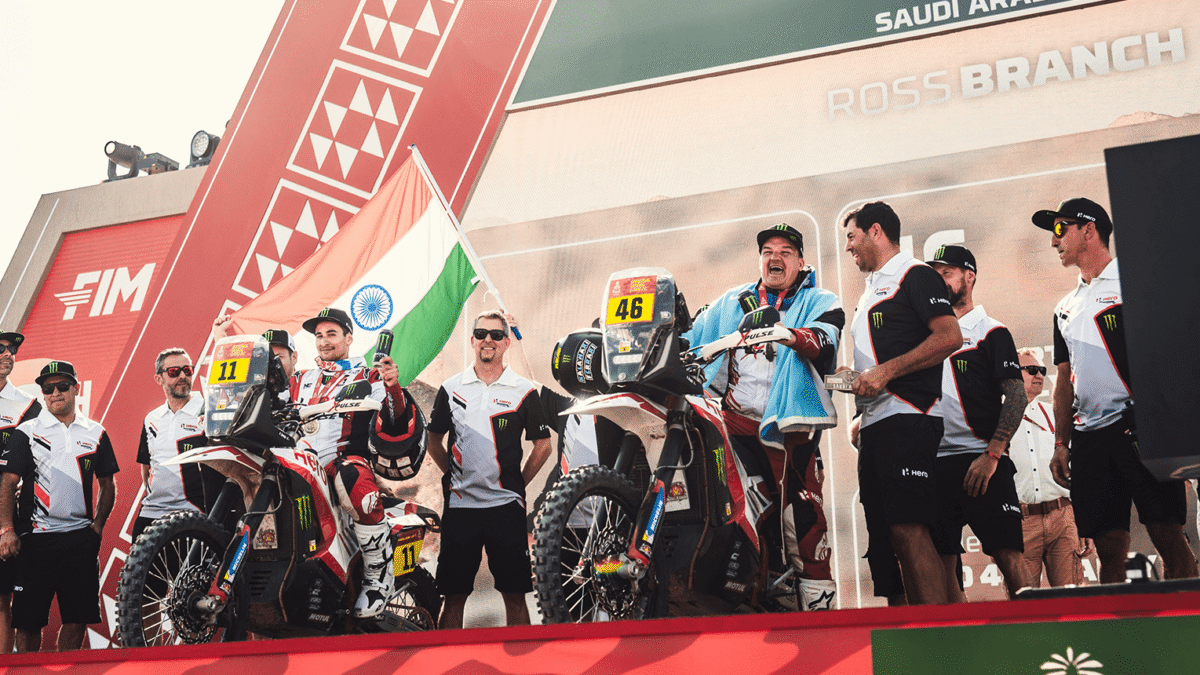
Fresh off a Dakar 2026 top-10 finish, Hero MotoSports has signed an 18-year-old supercross champion as the first rider in a new programme built to produce India’s first homegrown Dakar racer.
India makes more motorcycles than any country on the planet, yet it has never had a rider of its own on the Dakar Rally, the toughest off-road race in the world. Hero MotoSports, the factory rally team backed by India’s biggest two-wheeler maker, wants to change that. It has signed 18-year-old Shlok Ghorpade from Satara, Maharashtra, as the first recruit in a new programme with one goal: build India’s first homegrown Dakar champion.
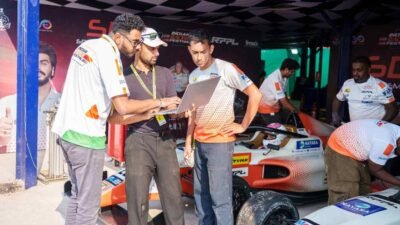
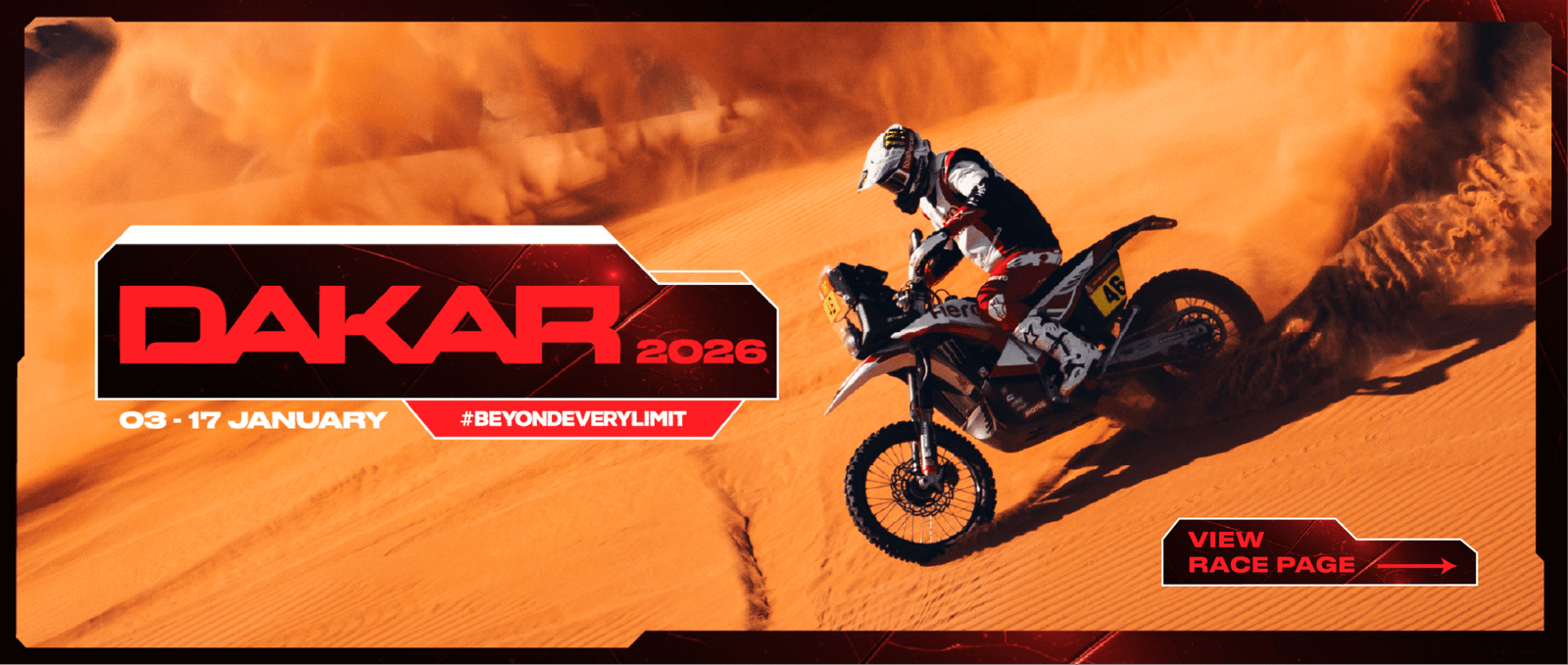
The signing was announced at Hero MotoSports Team Rally’s 10th-anniversary event in Jaipur in June, right after the team’s best Dakar yet. At Dakar 2026 in Saudi Arabia, Hero riders Nacho Cornejo and Ross Branch finished 7th and 8th overall, a double top-10 the team has chased for a decade. Hero also used the anniversary to sign a five-year extension with Amaury Sport Organisation (ASO), the French company that runs the Dakar Rally, so this isn’t a one-off announcement. It comes with real, funded backing.
Who is Shlok Ghorpade?
Ghorpade isn’t a rally rider yet. He comes from supercross and motocross: tight, closed-circuit racing over jumps and berms. Rally-raid is a different sport, hundreds of kilometres of open desert navigated with a road-book instead of a track map. What he brings is a serious trophy cabinet: seven Indian national titles in supercross and dirt track, seven international motocross trophies, and the top spot in the 2025 Indian Supercross Racing League. He spent two seasons racing for KTM before making the jump to Hero’s rally squad.
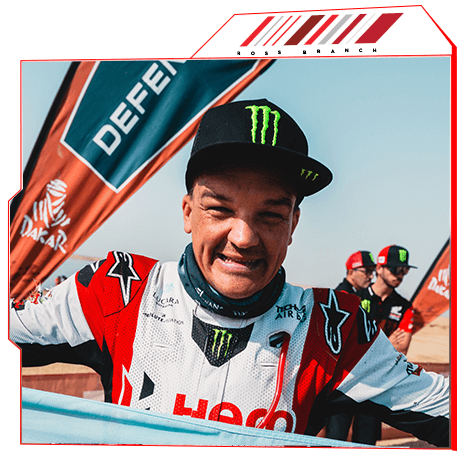
That switch is the hard part. Rally-raid demands navigation and endurance skills that circuit racing never teaches, so Hero has paired him directly with Ross Branch, the reigning FIM World Rally-Raid champion, for coaching. Ghorpade is training alongside Branch and the rest of the squad now, and heads to Morocco later this year for a race-simulation programme in real desert conditions, his first taste of the terrain he’d eventually race on.
What is ‘India’s Next Dakar Hero’?
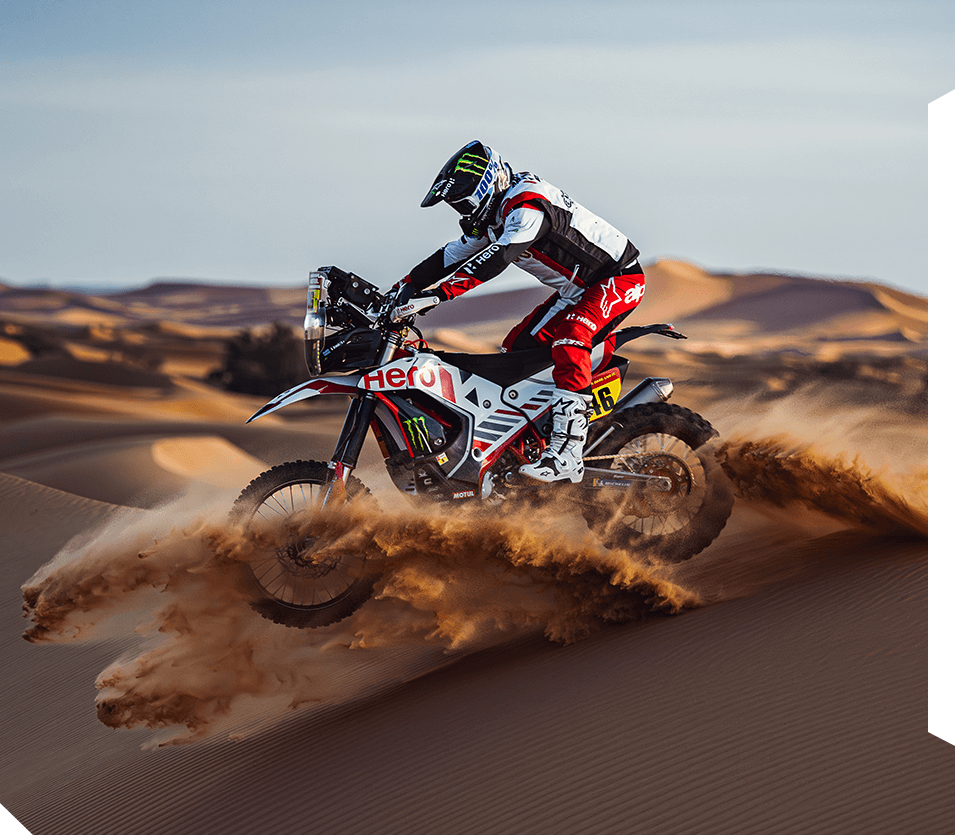
Ghorpade is the first name in a wider pipeline Hero is calling India’s Next Dakar Hero (INDH). The plan is a structured two to three-year pathway covering riding technique, desert navigation, physical conditioning and endurance, meant to take a young Indian racer from national-level competition to the start line of an international rally-raid event. Hero MotoCorp executive chairman Pawan Munjal summed up the thinking: “The India’s Next Dakar Hero programme reflects our deep belief that India possesses immense untapped motorsports talent waiting to be discovered and nurtured.”
It’s a smart move for a company whose factory rally team has spent a decade racing under international flags, funded by sales of the commuter bikes and scooters that actually pay the bills. INDH is the first real attempt to turn that money into a homegrown Indian racer, not just a sponsorship logo on someone else’s bike.
Why this matters if you follow Indian motorsport
India’s motorsport story has mostly been about borrowed prestige: a MotoGP round that came and went after one season at Buddh International Circuit, an F1 demo run this July on a track that hasn’t hosted a real race since 2013. A programme built to develop an actual Indian rider, backed by a five-year commitment and existing factory-level rally infrastructure, is a different kind of bet. It won’t produce a Dakar winner overnight. Ghorpade is still two to three years from lining up at a real rally-raid event. But if it works, India gets a rider who came up through an Indian programme, on an Indian bike, aiming for the hardest race on earth.
Ghorpade’s real test isn’t a podium. It’s whether he’s still racing in three years, once the novelty wears off and the desert gets hard.