



































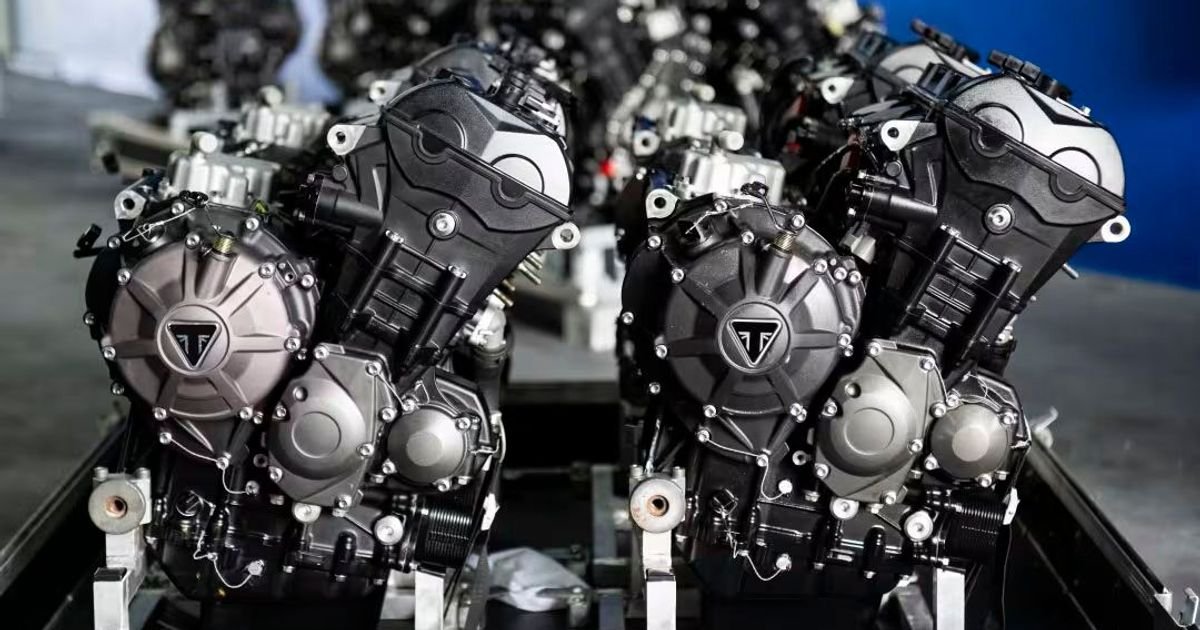
Triumph has just revealed the first ground-up redesign of the engine that powers every single Moto2 race bike, and its DNA traces straight back to a Triumph you can buy in India today.
Every bike on the Moto2 grid runs the exact same engine. That is not an accident, it is the whole point of the class: strip away engine budgets so the racing comes down to chassis setup and rider skill. Since 2019, the company building that one engine for every single team has been Triumph, and on 6 August 2026 it confirmed the spec unit is getting its first ground-up redesign since then, ready for the 2027 season.
Here is why that is worth your attention even if you have never watched a Moto2 race: the engine being replaced is a tuned version of the same 765cc triple that sits in Triumph’s own Street Triple, a bike sold in India. Racing improvements on a spec engine do not always trickle down to the showroom, but Triumph’s road bikes have a track record of borrowing exactly this kind of know-how, so it is worth knowing what just changed.
What Triumph actually changed
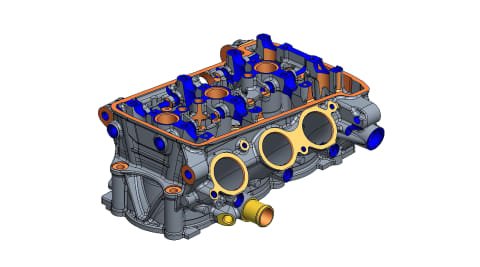
According to Triumph’s official announcement, the new engine makes roughly 6% more peak power than the outgoing unit and is about 2kg (4.4 lbs) lighter. The gains come from a redesigned cylinder head with a low-inertia valvetrain (lighter internal parts that let the engine rev and respond faster), higher-flow intake ports, and a reshaped combustion chamber that raises the compression ratio (how tightly the engine squeezes the fuel-air mix before ignition, which usually means more torque, or pulling power, across the rev range). Triumph has also redesigned the crankcases, the outer casing that houses the crankshaft, for better long-term reliability across a full race season.
Triumph has not confirmed the exact capacity of the new engine yet. What it has confirmed is that this is not a bolt-on update, it is different enough that chassis manufacturers building Moto2 bikes will need to design new frames around it for 2027.
| Spec | Current (2019 to 2026) | New (from 2027) |
| Peak power | Baseline | ~6% higher |
| Weight | Baseline | ~2kg (4.4 lbs) lighter |
| Cylinder head | 765 Street Triple derived | Redesigned, higher-flow ports |
| Capacity | 765cc | Not yet confirmed |
Why this is bigger than one racing series
Triumph has been the sole engine supplier for Moto2 since 2019, and in that time its engines have covered roughly 1.9 million kilometres of racing and been behind nearly 100 lap records across eight seasons. That is a serious amount of real-world stress testing on a platform closely related to the Street Triple 765 sold here in India through Triumph’s showrooms.
“Today’s announcement marks a significant step forward in the partnership between Triumph Motorcycles and MotoGP,” said Steve Sargent, Triumph’s Chief Product Officer, on the new engine’s testing programme.
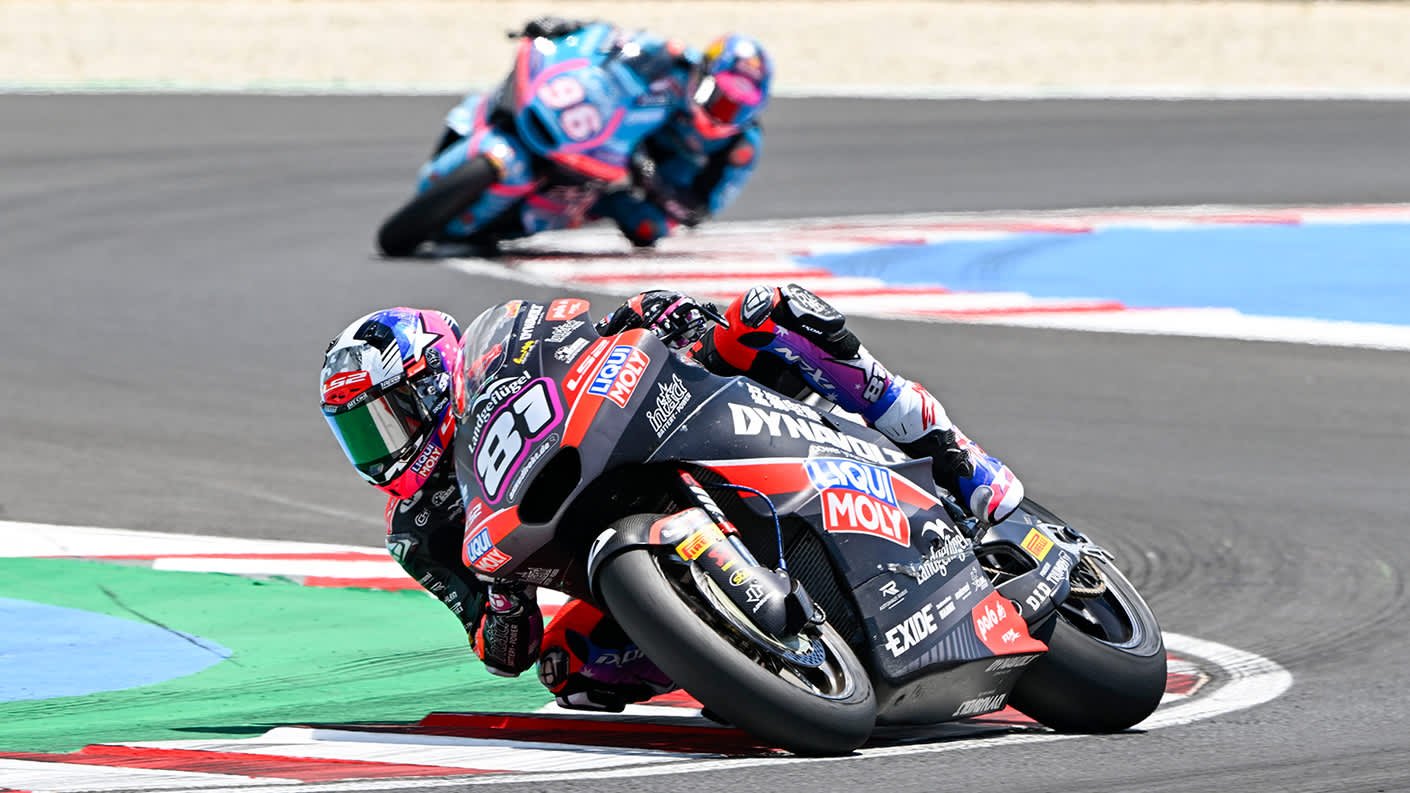
To be clear, this new race engine is Moto2-specific, and Triumph has not announced a street version. But the current Street Triple RS already carries a “Moto2 Edition” halo variant built from race-proven parts, and Triumph says development lessons from this programme do feed back into its road bikes over time. If you ride a Street Triple RS or are shopping one, this is the racing programme that shaped the engine under your tank.
What happens next
Triumph says private testing is already underway, with track testing opening up in the coming months. The engine is set to make its competitive debut in the 2027 Moto2 World Championship. Expect more detail, including the actual displacement figure, as that testing progresses and rival chassis builders start showing their 2027-spec bikes.
For now, it is a reminder of something easy to forget: the racing series most Indian riders never watch is quietly doing the R&D for engines some of them already own. Keep an eye on Triumph’s India lineup for whichever bike ends up wearing this engineering first.