
































CNG has just done something diesel couldn’t hold onto: it is now the second most popular fuel for new cars in India, and the gap keeps widening.
If you have been cross-shopping a hatchback or compact SUV this year, you have probably already seen a CNG badge on the variant list. Industry retail data reported by Autocar India puts CNG’s share of India’s passenger vehicle market at 21.98 percent in FY2026, ahead of diesel’s 18.08 percent, out of roughly 47 lakh cars sold that year. CNG has nearly doubled its share from 12 to 13 percent just three years ago, and monthly data through June 2026 (via Outlook India) shows CNG alone crossing 24 percent of sales, with petrol and diesel combined dipping below 60 percent for the first time ever.
So if a CNG car is on your shortlist this festive season, here is what actually matters before you put down a booking amount.
Why CNG Pulled Ahead of Diesel
Two things happened together. Running costs: CNG (compressed natural gas, priced per kilogram at the pump rather than per litre) costs roughly 30 to 40 percent less per kilometre than petrol, which adds up fast in city traffic. And access: Maruti Suzuki, India’s largest carmaker, pushed factory-fitted CNG across nearly its whole hatchback and compact SUV range instead of leaving it to the aftermarket, and Tata and Hyundai followed with their own factory kits, so buyers stopped trading warranty peace of mind for lower running costs.
Diesel went the other way. BS6 emission norms made diesel engines pricier to certify, so manufacturers pulled them from smaller, cheaper cars first, exactly where CNG was already gaining ground. September 2025’s GST 2.0 reform cut GST on small petrol, CNG, and diesel cars alike from 28 to 18 percent, lowering entry prices across the board, but it did not slow CNG’s pull away from diesel.
Best CNG Cars in India Right Now, By Budget
| Under ₹7 Lakh | Maruti Suzuki Alto K10, Maruti Suzuki S-Presso, Maruti Suzuki Wagon R |
| ₹7 Lakh to ₹10 Lakh | Tata Punch, Tata Tiago, Maruti Suzuki Swift, Hyundai Aura |
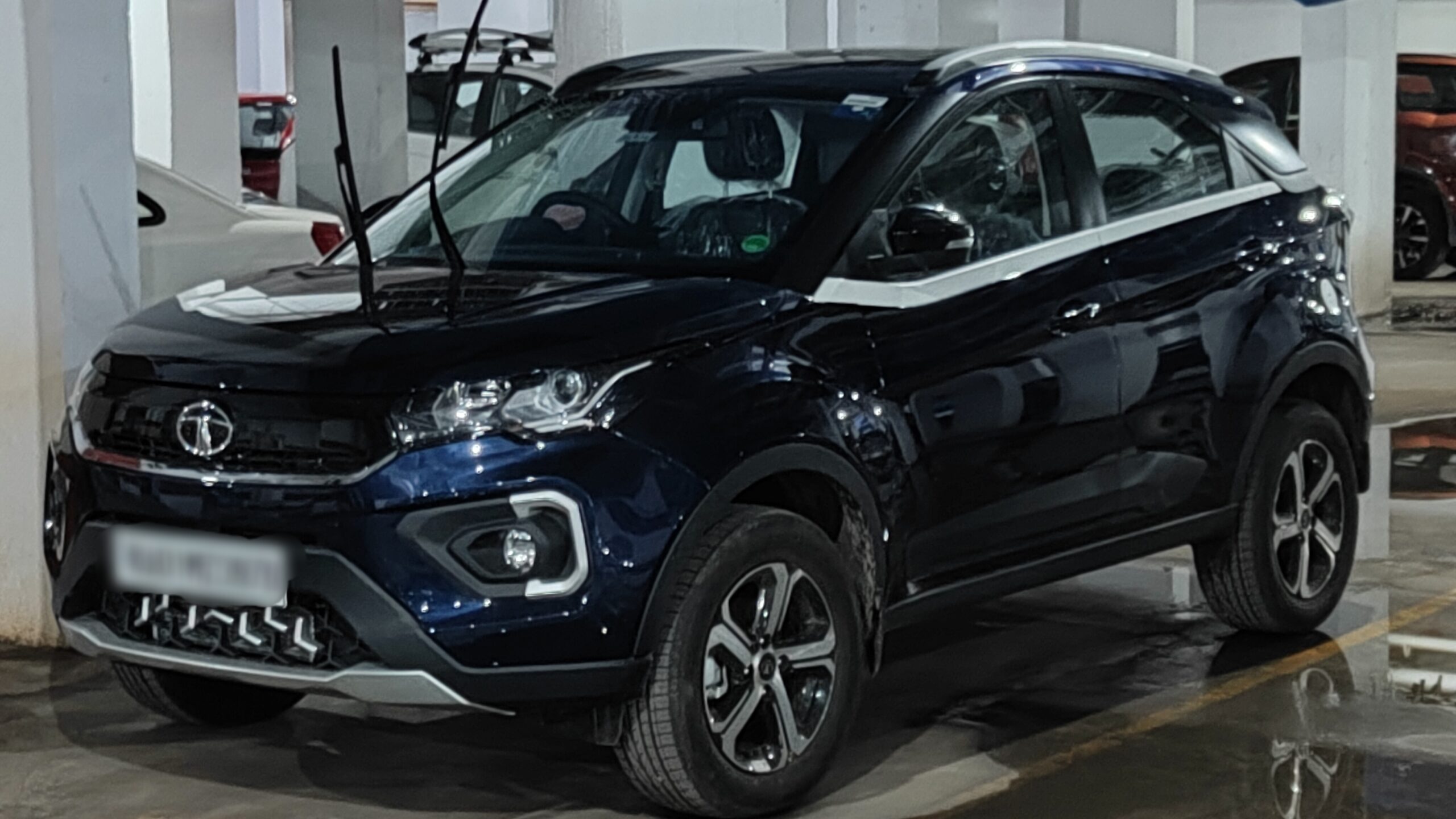
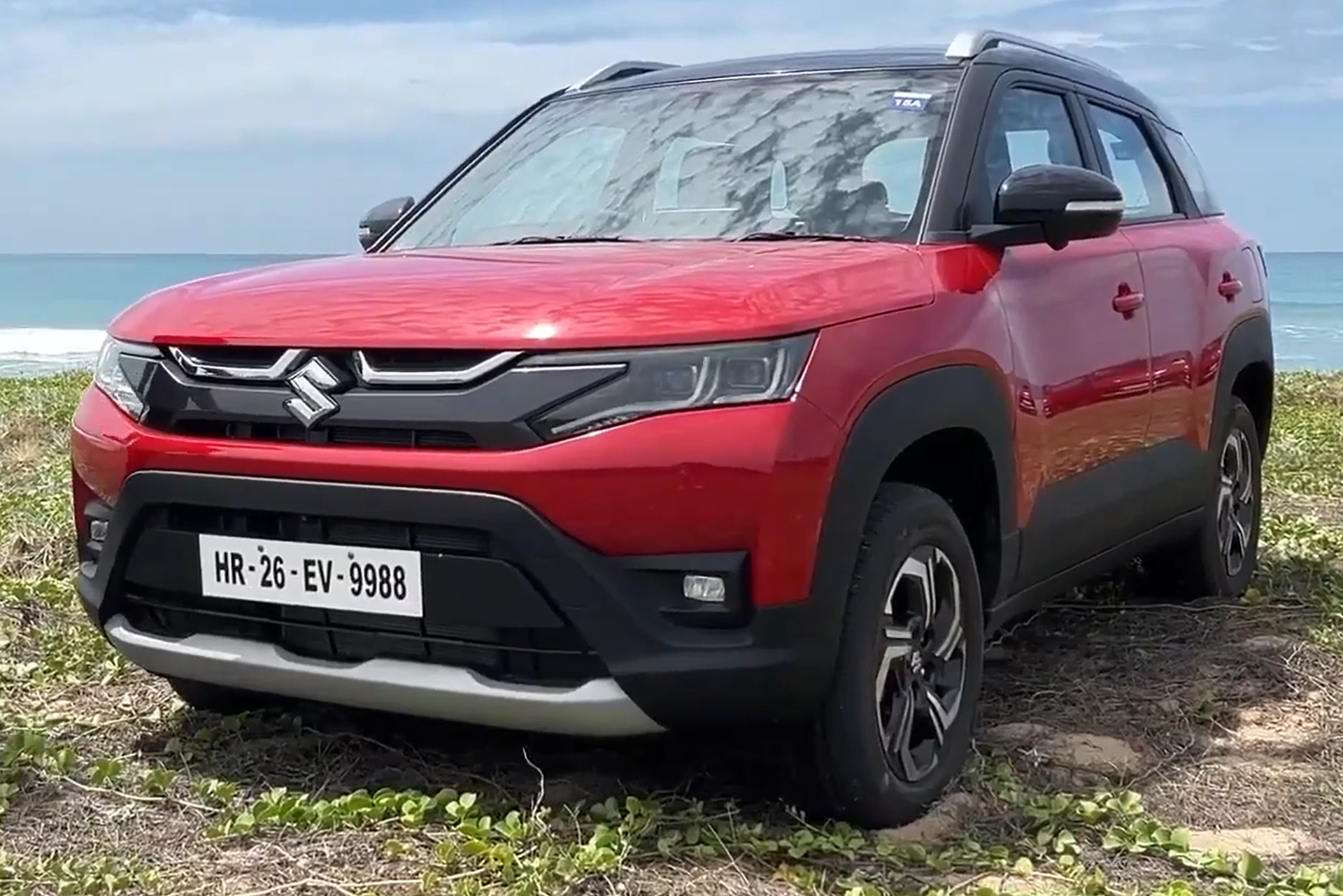
| ₹10 Lakh to ₹14 Lakh | Maruti Suzuki Brezza, Tata Nexon, Hyundai Exter |
These are approximate ex-showroom starting prices for CNG variants and shift slightly by state and dealer offer, so treat them as a starting point, not a quote. Check the Tata Punch’s full specs and on-road price for India’s cheapest factory-fit CNG SUV, or the Brezza facelift’s specs and pricing for the segment just above it.
What to Actually Check Before You Buy
Boot space is the first trade-off. The CNG cylinder sits in the boot, so you lose 80 to 100 litres of luggage room versus the petrol-only version, worth checking against your usual load first. Power also dips a little on CNG mode since the fuel burns less efficiently, so the car feels marginally less punchy on the highway with a full load, a fair trade for the city running costs you save.

Factory-Fit vs Retrofit: Do Not Mix These Up
Always insist on a factory-fitted CNG variant over an aftermarket retrofit kit. A factory kit is engineered and crash-tested with the car and comes under the standard warranty, which is what nearly every model in the table above offers. A retrofit kit voids large parts of your warranty, skips that same safety standard, and hurts resale value since buyers and dealers stay wary of it. The extra you pay upfront for a factory CNG trim is almost always worth it.
If a factory-fit CNG variant exists for the car you already want, and most of your driving is city traffic with the odd highway run, it is close to the easiest money you can save on a new car purchase in India right now.
Before you finalise a variant, run the numbers on an EMI rather than comparing sticker prices, since CNG variants cost more upfront but claw that back within two to three years of city driving. The Spec’d’s EMI calculator shows that monthly difference before festive-season offers muddy the comparison.