





























General Motors just told Wall Street it is handing back $20 billion to shareholders, with no end date on the program. That is on top of a quarter where the company’s net income more than doubled. For a car company, that is an enormous vote of confidence, and it says a lot about how the world’s automakers are actually weathering tariffs, EV losses and a slowing China market right now.
GM reported its third quarter 2026 results on October 20, and the numbers beat what analysts on Wall Street were expecting. Revenue came in at $50.0 billion, up 2.9% from the same quarter last year. Net income attributable to shareholders was $3.3 billion, more than double the $1.3 billion GM made in the same quarter of 2025. Diluted earnings per share came in at $3.73, up from $1.35 a year earlier.
Where the Money Actually Came From
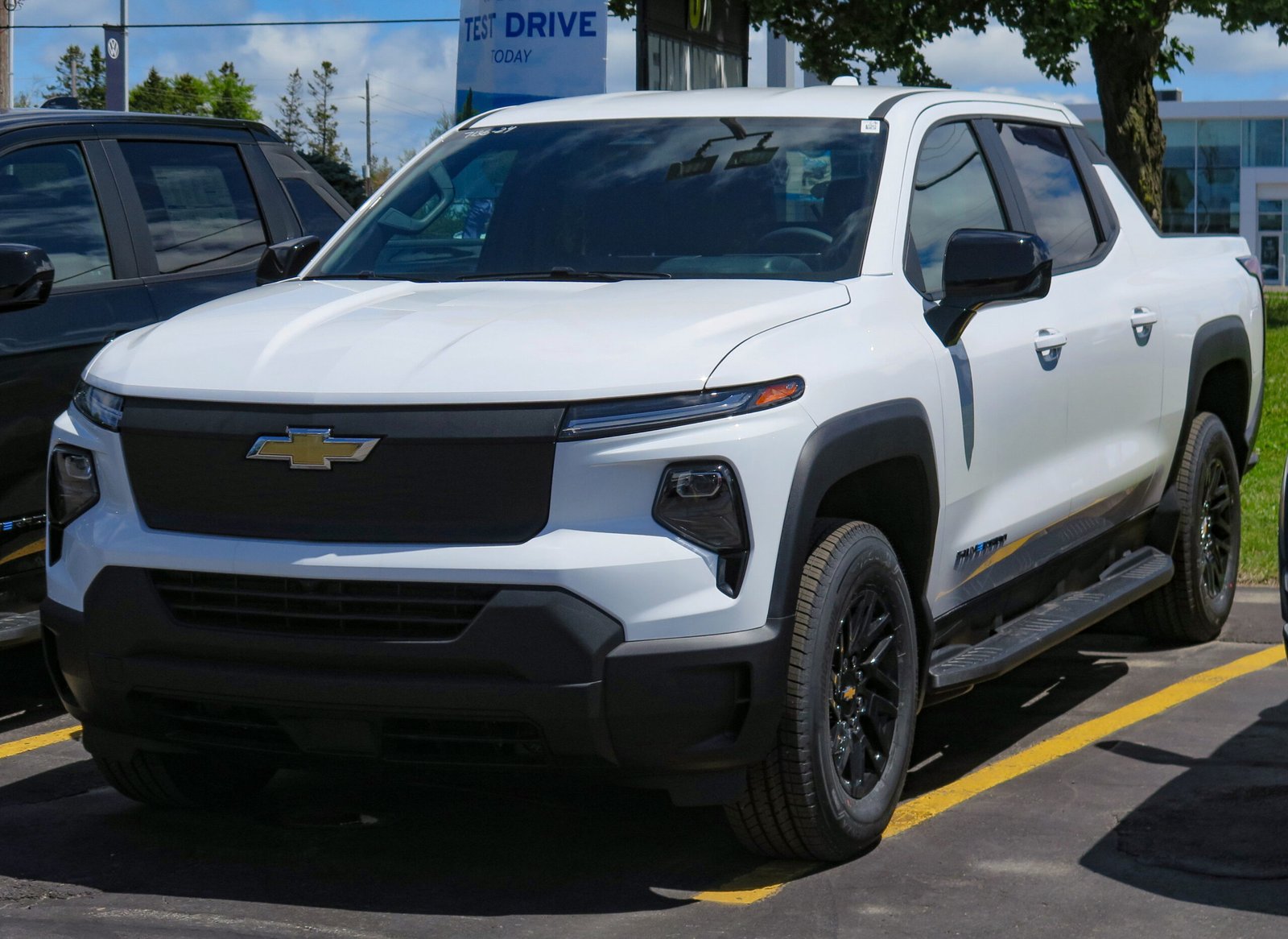
The simplest explanation is trucks and SUVs. GM’s North American business, which sells the Chevrolet Silverado, the GMC Sierra and a wall of Cadillac and Chevy SUVs, is still where almost all the company’s profit comes from. EBIT-adjusted, which is GM’s preferred way of showing operating profit before interest, tax and one-time charges, rose 21.6% to $4.1 billion, with a margin of 8.2%.

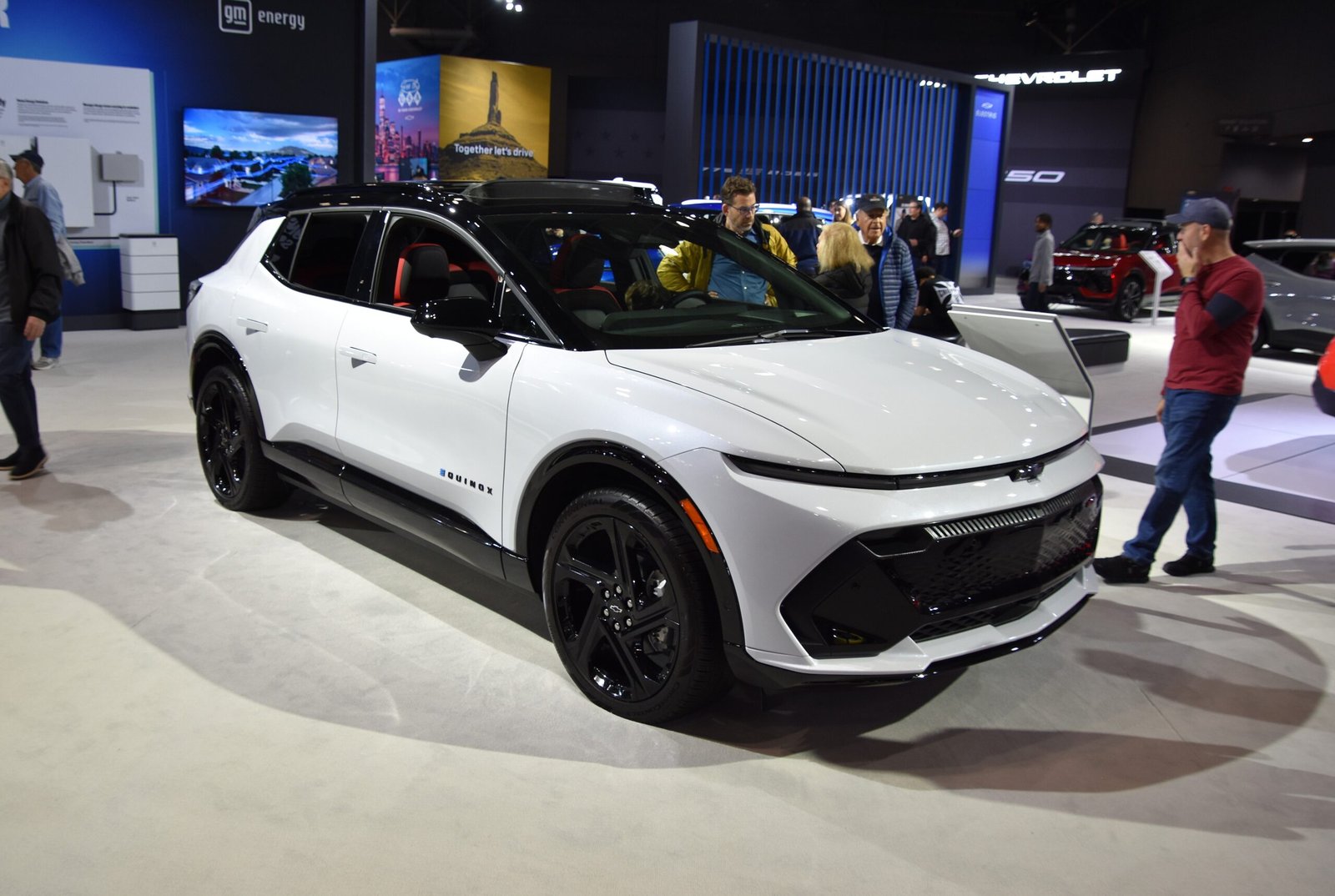
It was not all good news. GM’s electric vehicle business is still losing money, and the company booked another $238 million in what it calls “strategic realignment” charges this quarter, tied to cutting back EV production capacity under its Ultium battery programme. For the year so far, those EV-related charges add up to $3.6 billion. China was the other weak spot: GM’s equity income from its China joint ventures fell to just $32 million, down from $80 million a year ago, as the company’s market share there slipped to 6.6%.
CFO Paul Jacobson also warned that the fourth quarter will be weaker than the third, and that commodity costs, things like steel, aluminium and semiconductors, are tracking toward the higher end of GM’s earlier guidance of roughly $2 billion in added cost for the year.
The $20 Billion Buyback, Explained
A share buyback is when a company uses its own cash to purchase its own stock from investors and retire it. With fewer shares left in circulation, each remaining share represents a slightly bigger slice of the company, which tends to push the stock price and the earnings-per-share figure up over time even if profit stays flat.
GM just finished a $6 billion buyback programme it had announced back in January, and its board has now approved a fresh one worth $20 billion, more than three times the size. Crucially, this one has no expiration date, meaning GM is not committing to spend it by a certain deadline, only that it can keep buying back stock whenever it judges the timing right. The company has already shrunk its share count from 904 million shares at the end of 2025 to 849 million at the end of this quarter, a drop of about 6% in nine months.
A $20 billion buyback with no deadline is GM’s board betting its own stock is undervalued, and backing that bet with real cash rather than just a press release.
GM also declared its regular quarterly dividend of $0.18 per share, payable in December, unchanged from the prior quarter.
Raised Guidance, With a Catch
GM also updated its full-year 2026 outlook. The EBIT-adjusted range was narrowed to $14.5 to $15.5 billion, from a wider $14.0 to $16.0 billion band before, which is really GM saying it is now more confident in landing around the same midpoint rather than predicting a jump. The number that did move up clearly is adjusted automotive free cash flow, the actual cash GM has left after running the business and before paying for things like buybacks and dividends, which GM now expects to be $11.5 to $12.5 billion for the year, a solid $2 billion higher than its previous forecast of $9.5 to $11.5 billion. Adjusted earnings per share guidance also nudged up, to a range of $12.75 to $13.75 for the full year.
Here is the table that puts the quarter in context against the same period last year:
| Metric | Q3 2026 | Q3 2025 |
| Revenue | $50.0 billion | $48.6 billion |
| Net income | $3.3 billion | $1.3 billion |
| EBIT-adjusted | $4.1 billion | $3.4 billion |
| Diluted EPS | $3.73 | $1.35 |
| Shares outstanding | 849 million | 904 million (end of 2025) |
None of this touches Indian roads directly. GM sold its last Indian manufacturing plant years ago and does not retail cars here anymore, so nothing in this earnings report turns into a showroom launch. What it does show is how differently the world’s second-biggest American automaker is positioned today: a company that walked away from India is now sitting on enough cash to hand shareholders $20 billion with no strings attached, funded almost entirely by big, profitable trucks and SUVs rather than the electric future it keeps spending billions chasing.
What It Means Going Forward
The clearest signal from this earnings report is that GM’s bet on combustion-engine trucks and SUVs is still paying the bills, while its EV transition remains a cost center rather than a profit driver. That is not unique to GM. Across the industry, automakers that lean on EVs for growth are watching margins get squeezed, while those with strong truck and SUV lineups are using that cash to reward shareholders instead of reinvesting it all into unprofitable electric lineups. Expect GM to keep leaning into that playbook through 2027: more buybacks, a cautious approach to new EV capacity, and continued pressure to get Ultium battery costs down before expanding electric production again.
For now, the headline number is simple. GM made more than double the money this quarter that it did a year ago, and its board trusts that enough to put $20 billion of real cash behind its own stock.