























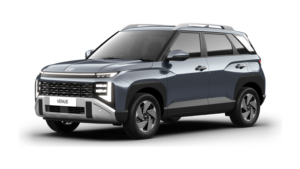
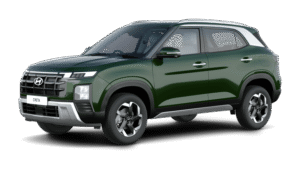



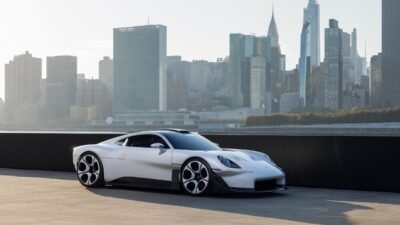
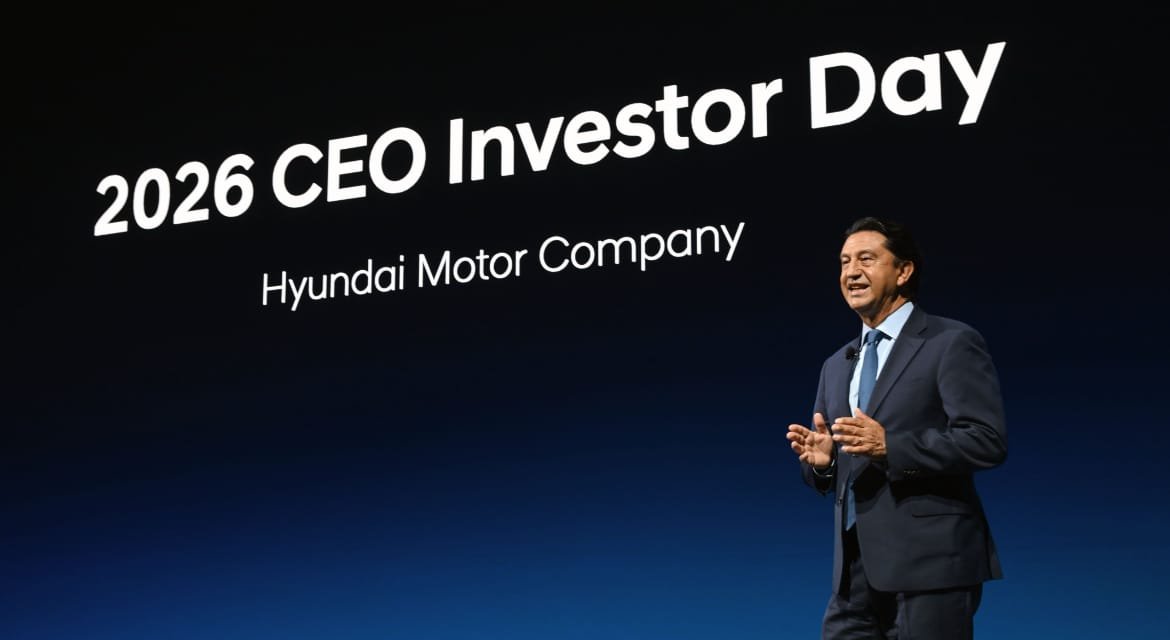
Hyundai just told its investors exactly how it plans to fight off Tesla, the Chinese EV wave, and a shrinking China business all at once: by launching more than 100 new or updated vehicles worldwide in the next four years. That is not a typo. At its 2026 CEO Investor Day in Seoul, Hyundai Motor Company laid out a plan to push global sales to 5.55 million vehicles a year by 2030, up from an expected 4.2 million this year, while entering 18 brand-new market segments it has never competed in before, from midsize pickups to body-on-frame SUVs.
Why should you care about a Korean boardroom presentation? Because this is the roadmap for what shows up in Hyundai and Genesis showrooms, including in India, for the rest of the decade. Twenty-six of those 100+ launches are earmarked for India specifically, and Hyundai is adding 320,000 units of annual production capacity here as part of a plan to turn the country into a genuine export hub.
The numbers, and why Hyundai is spending big right now
CEO Jose Munoz put it bluntly on stage: Hyundai Motor Group is the third-largest automotive group in the world and the second-most profitable, and that combination is exactly what lets it invest while rivals pull back. That is not empty confidence. Hyundai posted 95.2 trillion won (roughly ₹5.6 lakh crore) in revenue for the first half of 2026 alone, and it is now targeting an operating profit margin above 9% by 2030, up from its earlier 8-9% guidance.
The plan is built on a simple bet: electrified vehicles (that means full EVs, hybrids, and a new-to-Hyundai category called EREVs) will make up 60% of everything the company sells by 2030, up sharply from 23% last year. An EREV, or extended-range electric vehicle, is essentially an EV that carries a small petrol engine purely to top up the battery on long drives, not to drive the wheels directly. It solves the two biggest EV objections, range anxiety and charging time, without needing a bigger, heavier, and more expensive battery pack.
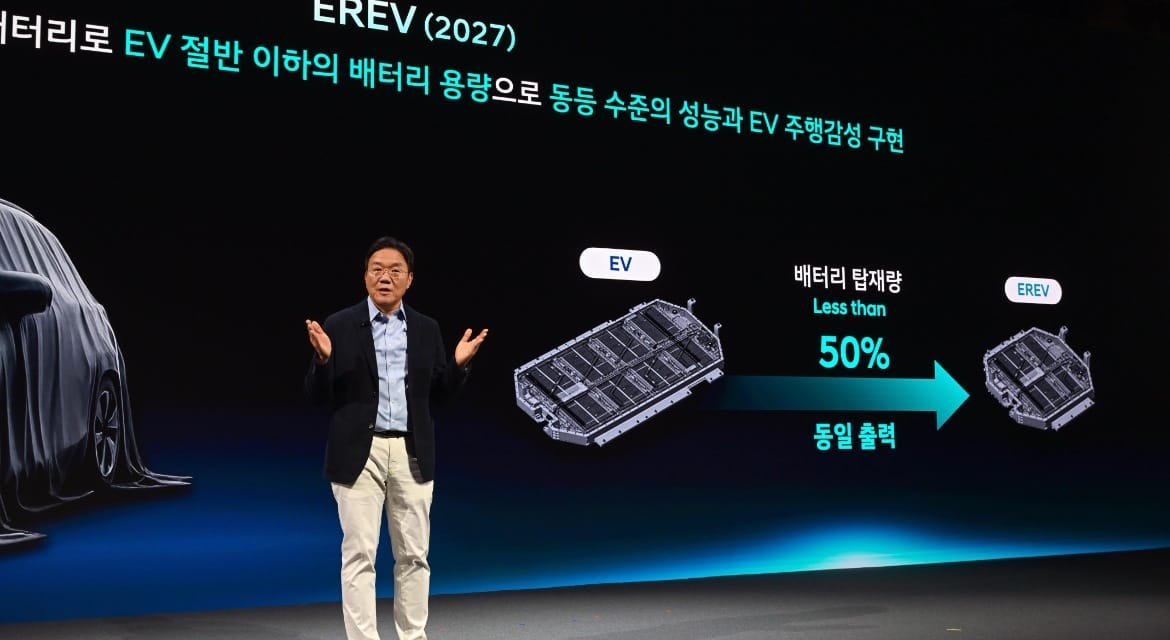
Hyundai’s first EREV, a Santa Fe-based model, arrives in the first half of 2027 with a claimed combined range of over 600 miles (966 km), built at Hyundai’s Alabama plant for the US market. On stage, engineers showed the battery pack for the EREV is less than half the size of a comparable full EV’s, while matching it on power, which is the whole point: lower cost, lower weight, same everyday usability.
Where the 100+ models are actually going
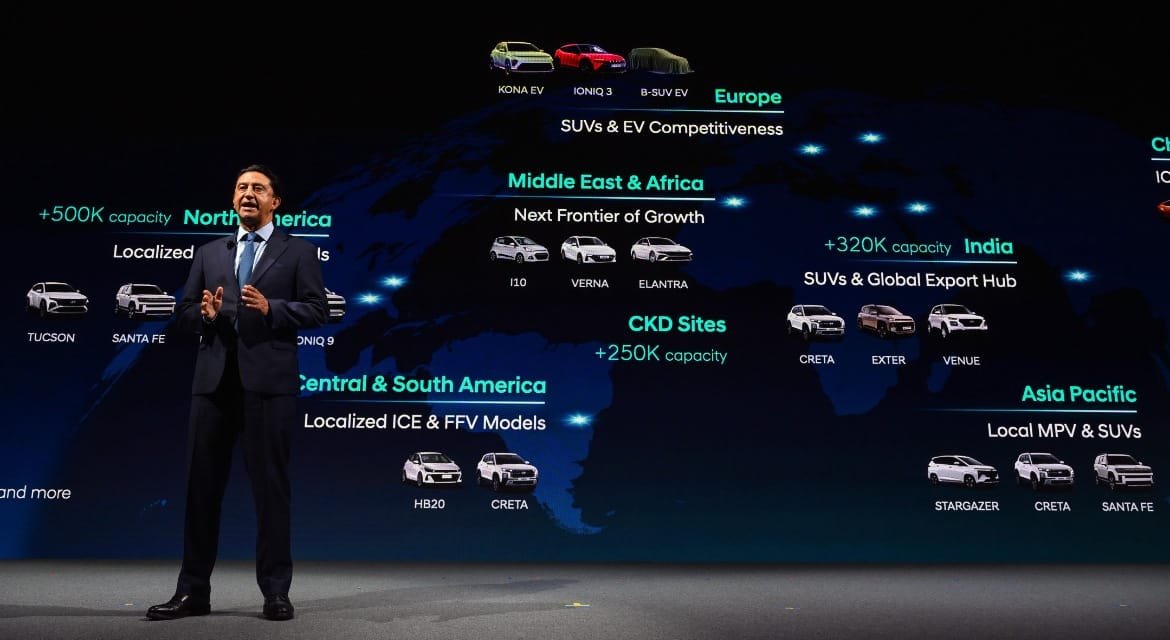
This is a genuinely global rollout, not a North America-first plan with everyone else getting leftovers. North America gets the largest share at 58 launches, including 22 from the Genesis luxury brand, and Hyundai is using it to push into segments it has skipped for decades: a midsize pickup and body-on-frame (traditional ladder-chassis, truck-style construction) SUVs, which together account for nearly 30% of all US vehicle sales. Korea gets 49 launches, Europe 41, China 22, and India 26.
| Region | New/refreshed models by 2030 | Added production capacity |
| North America | 58 (incl. 22 Genesis) | 500,000 units |
| Korea | 49 | 200,000 units |
| Europe | 41 | Not disclosed |
| India | 26 | 320,000 units |
| China | 22 | Not disclosed |
The India numbers are worth sitting with. Hyundai is targeting 90% local parts sourcing for its India operations by 2030, pushing annual production capacity there to 1.1 million vehicles, and aiming to export 30% of what it builds here. That is not a side market getting a facelifted Creta every few years, it is being positioned as one of Hyundai’s core global manufacturing and export hubs, alongside Korea and North America. SUVs are expected to make up 80% of Hyundai’s India sales by 2030, which tracks with what we have already seen on Indian roads this year.
It is not just cars: robots, AI, and a Waymo deal
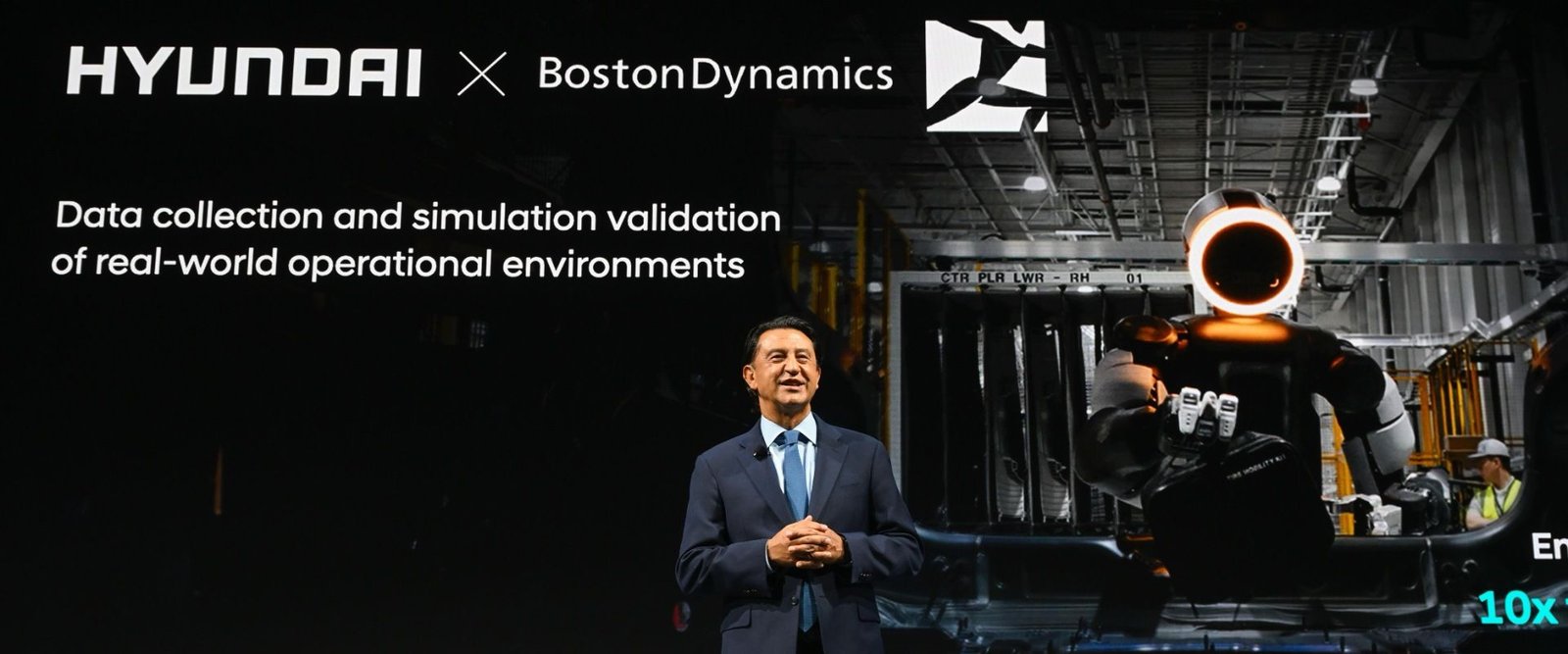
The presentation went well beyond vehicles. Hyundai confirmed its IONIQ 5 robotaxis will start going to Waymo from Q4 2026, and it is targeting mass production of Level 2+ autonomous driving (a system that handles steering, braking, and acceleration together but still needs a human ready to take over) by 2028, built with NVIDIA. It also showed off progress from its Boston Dynamics acquisition, with humanoid robots slated to start working at Hyundai’s Georgia plant from 2028 and factory-floor data collection already underway with the robot-maker’s Atlas platform.
Battery technology got its own spotlight too. Hyundai says new in-house cells more than double the output of its previous high-nickel cells while cutting charge time by 40%, and a cheaper mid-nickel NCM cell family arrives next year at around 30% lower cost, the kind of unglamorous engineering that actually decides how affordable next-generation Hyundai EVs will be.
“Our fundamentals have never been stronger. We are bringing more than 100 new models to market by 2030, the ability to invest while others are pulling back is exactly where we want to be.” – Jose Munoz, CEO, Hyundai Motor Company
The verdict
Product-plan investor days can be dressed-up PowerPoint theatre, but this one has real teeth: specific model counts by region, specific capacity numbers, a dated EREV launch, and a profit target Hyundai is willing to be held to. For India, the headline is not any single car, it is the 320,000 units of new capacity and the export-hub framing, which points to Hyundai building more of what the world buys right here rather than just what India buys. Watch this space through 2027 as the Santa Fe EREV and the first India-bound models from this plan start showing their faces.