












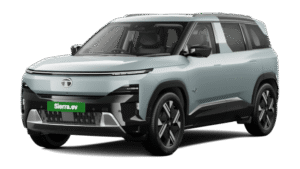




Jammu and Kashmir has notified its Electric Vehicle Policy 2026, and the number that matters for a buyer is this: the first 1,500 people who book a private electric car get ₹1 lakh back, first come, first served. The Council of Ministers under Chief Minister Omar Abdullah cleared it at the start of October, the policy runs through 2032, and it comes with a 900-site charging target and a cold-weather testing mandate that no other state’s EV policy has needed to write in.
Transport Minister Satish Sharma and Transport Commissioner Vishesh Mahajan briefed reporters on it, and the notification has been reported consistently by Deccan Chronicle, Swarajya, UNI and ETV Bharat, though outlets differ on the exact date, either 30 September or 1 October. All agree on the shape: all 20 districts of the Union Territory, a target of 1.4 lakh EVs on the road by 2032, and early-adopter cash top-ups, cheaper loans and a scrappage fund.
What the First-Come Subsidy Actually Pays
The top-ups are capped and specific to vehicle type, not a blanket purchase subsidy on every EV sold.
| Vehicle type | Top-up amount | Who qualifies |
| Personal electric cars | ₹1 lakh each | First 1,500 buyers |
| Electric two-wheelers | ₹5,000 each | First 10,000 buyers |
| Electric buses | ₹15 lakh each | First 300 buyers |
Add up those three named slots and you get 11,800 buyers. The Transport Minister has separately been quoted citing a ₹84 crore outlay and roughly 15,800 total adopters, about 4,000 more than the categories above account for, and closer to ₹65 crore by our own math on the named slots alone. Nobody we found explains where the other 4,000 slots or the remaining ₹19 crore go. Treat the ₹1 lakh car top-up as real, but the total scheme size as only roughly sourced until the government publishes the scheme document.
What It Actually Saves You on a Real Car
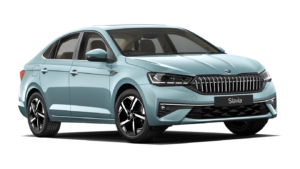
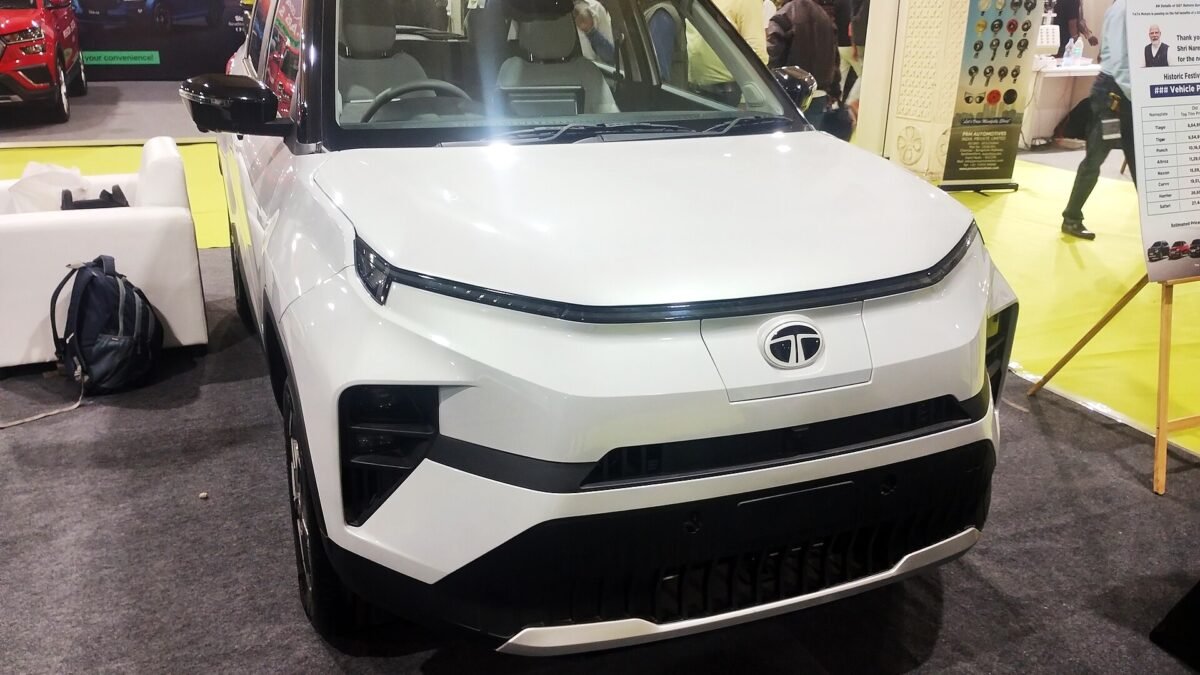
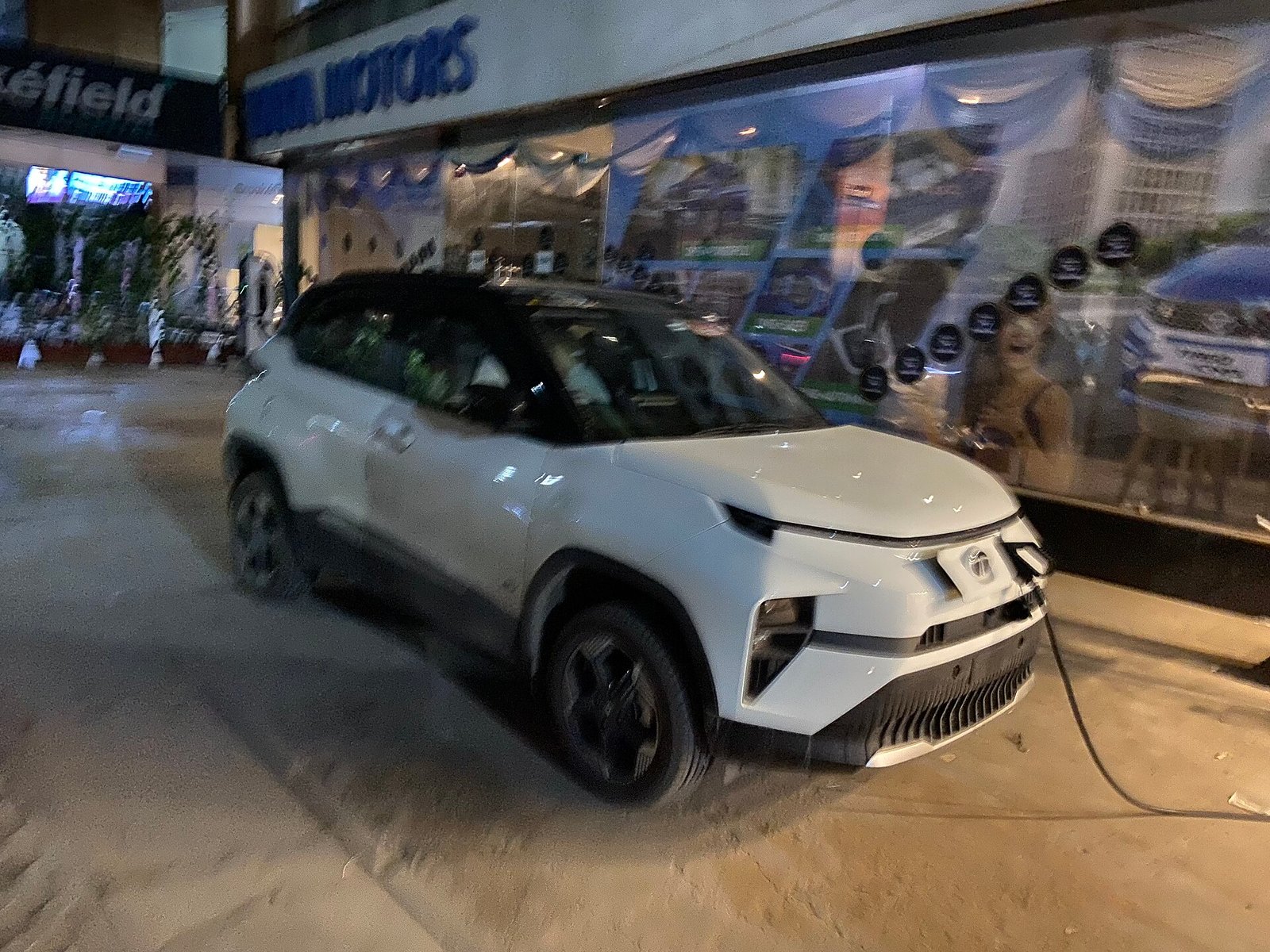
Take the Tata Punch EV, Tata’s cheapest electric car and the kind of model this policy is aimed at. On The Spec’d’s own on-road price page for Jammu, the base Smart 30 variant has an ex-showroom price of ₹9.79 lakh and comes to about ₹10.26 lakh on the road, since Jammu and Kashmir currently charges no road tax at all on electric cars; you’re only paying insurance and FASTag on top of the ex-showroom figure. The same page works out an EMI of about ₹17,237 a month on 20% down and a 5-year loan at 9.5% interest.
Land one of the first 1,500 car slots and that ₹1 lakh top-up brings the on-road cost down to around ₹9.26 lakh, before the policy’s separate 3-5% interest subvention on EV loans (up to 36 months) even applies. J&K hasn’t published the subsidised rate yet, so our ₹17,237 EMI figure assumes the market rate; a qualifying buyer should land below that once a subsidised loan is actually on offer.
The ₹1 lakh is real money, but it’s a queue, not a guarantee. The policy says the top-up is “subject to the eligibility and conditions prescribed,” and nobody has published what those conditions are yet.
Why J&K Needs This More Than Most States
The urgency shows up in how far behind J&K is. NITI Aayog’s India Electric Mobility Index 2024 ranked the Union Territory 34th of 36 states and UTs, and the Transport Department counted only 44,271 registered EVs as of August 2026. Public charging is thinner still: J&K had 295 public charging stations as of a Rajya Sabha reply in late July 2026, against the new policy’s target of 900 sites with 140 fast-charging hubs, roughly a threefold jump.
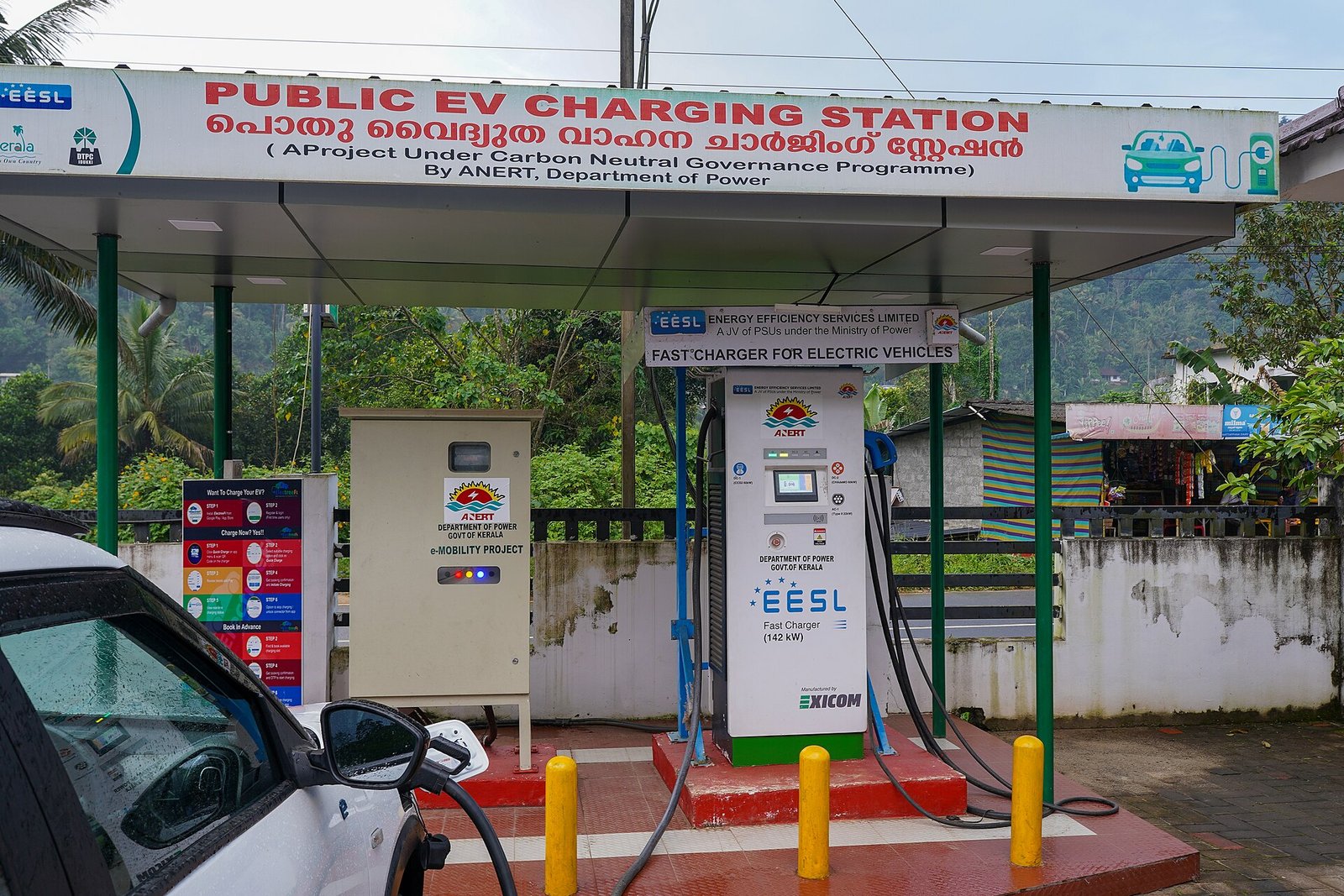
Neighbouring Ladakh notified its own EV policy back in 2022 and already has 25 charging stations of its own, a reminder that J&K is catching up to a region with a fraction of its population, not setting a regional pace.
The Cold-Weather Problem Nobody Has Actually Tested
J&K’s policy includes something most state EV policies skip: a Specialised Winter Validation Protocol to check how EVs perform in snow and sub-zero temperatures. Cold weather hits an EV twice over: battery chemistry gets less efficient below freezing, and cabin heating draws power that would otherwise go toward range, so a claimed ARAI figure measured in lab conditions overstates what a car will do on a January morning in Srinagar or Gulmarg. No independent cold-weather range test for an EV in Kashmir conditions has been published yet, so budget for real range well under the claimed number rather than assume it holds.
Should You Book Now?
If the ₹1 lakh top-up matters to your budget, book early and ask your dealer directly how the slot-counting works, because the policy itself hasn’t said. Ask about the scrappage fund too: ₹50 crore a year, with two outlets reporting a per-vehicle cap of up to ₹25,000 that isn’t yet confirmed in the gazette. A dealer quote that mentions only the ₹1 lakh top-up is leaving money off the table. To see how other electric cars compare on price first, The Spec’d’s full list of electric cars on sale in India is a reasonable place to start.
How much is the EV subsidy in Jammu and Kashmir in 2026?
Under the new policy, the first 1,500 private electric car buyers get ₹1 lakh each, the first 10,000 electric two-wheeler buyers get ₹5,000 each, and the first 300 electric bus buyers get ₹15 lakh each. All three are first-come, first-served and capped, not an ongoing subsidy for every buyer.
Does Jammu and Kashmir charge road tax on electric vehicles?
No. As of this policy, electric cars are exempt from RTO road tax in Jammu and Kashmir, so the on-road price is close to the ex-showroom price plus insurance and FASTag, as shown on The Spec’d’s Jammu on-road price pages.
How long does the J&K EV Policy 2026 run?
It runs from 2026 to 2032 and covers all 20 districts of the Union Territory, with targets including 1.4 lakh EVs on the road and 900 public charging sites by the end of that period.