
























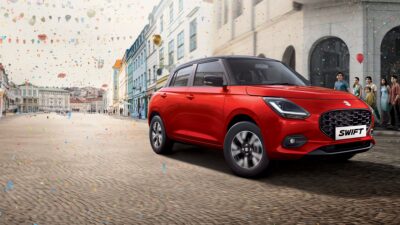
Maruti Suzuki has raised prices for the second time in three months, by up to ₹30,000, effective this August. If you have been sitting on a booking, or waiting for the “right time,” here is the actual math on how much of last year’s GST 2.0 discount is still left on the table.
Back on September 22, 2025, the GST Council folded the old 28% tax plus 1% cess on small petrol and CNG cars into a flat 18% slab. Maruti passed almost all of it on: the Swift dropped ₹84,600 to start at ₹5.78 lakh, the Dzire fell ₹87,700, the Brezza came down by up to ₹1.12 lakh, and the WagonR got nearly ₹80,000 cheaper. It was, genuinely, the best time in years to book a Maruti.
Since then, the company has quietly clawed some of that back. In a filing to the stock exchanges, Maruti said “sustained pressure on operating margins” from commodity and input cost inflation has forced it to pass a portion of the burden on to buyers, first in June and now again this August, each time by up to ₹30,000 across the range.
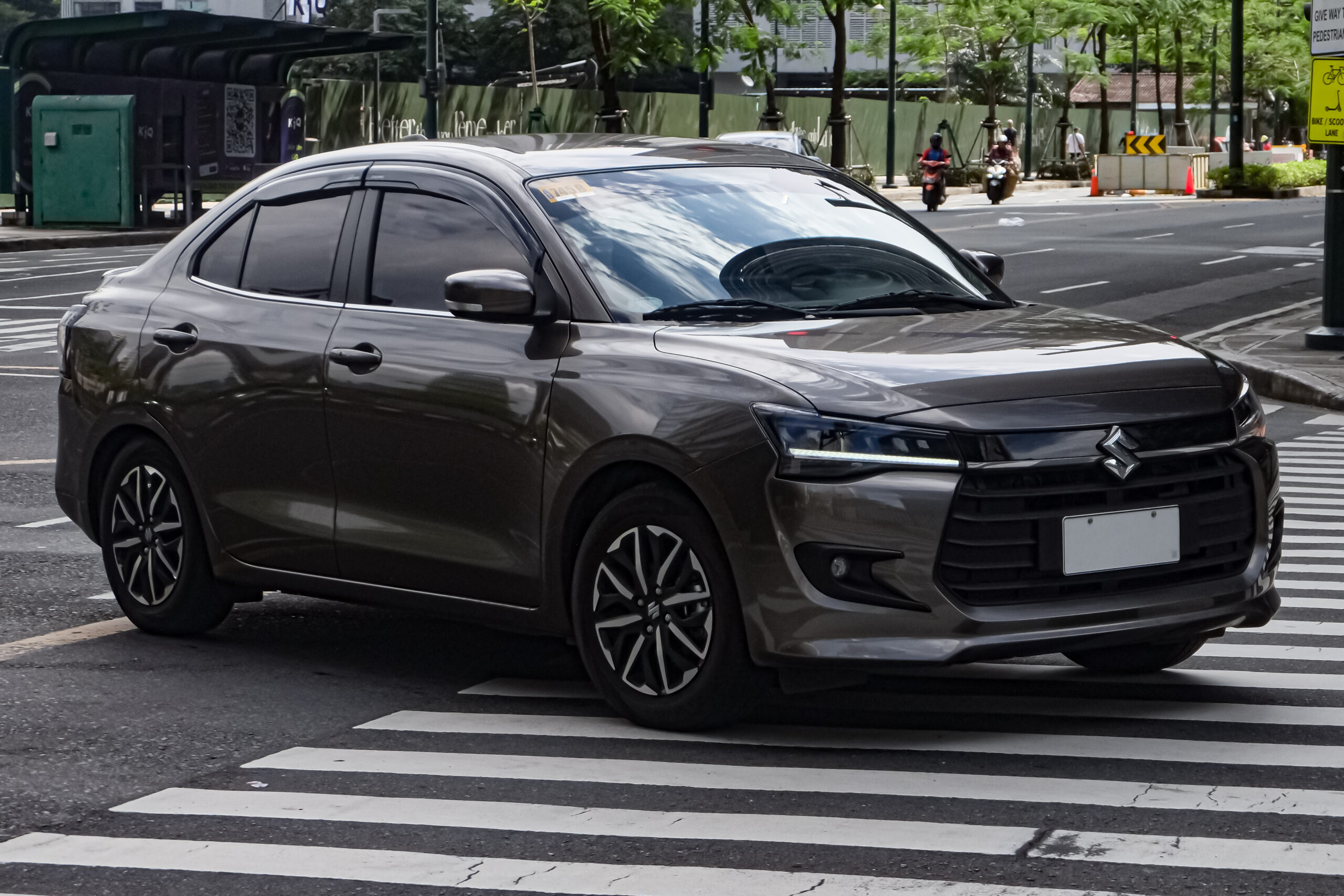
How much cushion is actually left
Maruti has not broken down which specific models absorbed how much of the two ₹30,000 hikes, so treat the numbers below as the worst case, a car that took the full ₹60,000 hit across both rounds.
| Model | GST 2.0 cut (Sep 2025) | 2026 hikes so far (worst case) | Still cheaper by, roughly |
| Maruti Brezza | Up to ₹1.12 lakh | Up to ₹60,000 | ₹50,000+ |
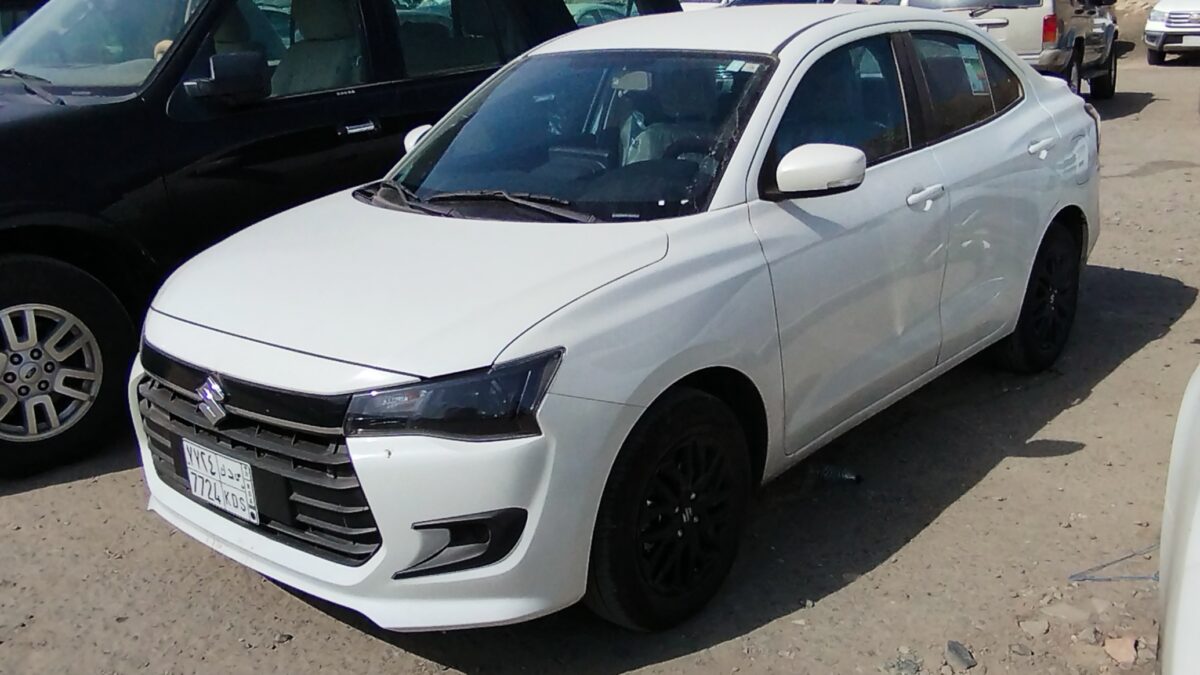
| Maruti Dzire | ₹87,700 | Up to ₹60,000 | ₹27,000+ |
| Maruti Swift | ₹84,600 | Up to ₹60,000 | ₹24,000+ |
| Maruti WagonR | ~₹80,000 | Up to ₹60,000 | ~₹20,000 |
The pattern holds even in the worst case: every one of these cars is still cheaper than it was before September 2025. But the cushion for a budget-first buyer eyeing the WagonR has thinned out a lot more than it has for someone booking a Brezza, and Maruti has already signalled it is not done adjusting for input costs. If your dealer quote today looks close to what you paid for the same variant in December, that is why.
Maruti is not alone. Hyundai raised prices by about 1% across its lineup from June 1, adding up to ₹12,800 depending on the model, and Tata Motors followed with a 1.5% hike on both its ICE and EV passenger vehicles from July 1. Mercedes-Benz and BMW had already done the same in January, on their much pricier metal. Read together, it is a pattern across the industry: automakers used the GST cut as room to also fix margins squeezed by steel, aluminium, and semiconductor costs, rather than as pure discount to pass through.
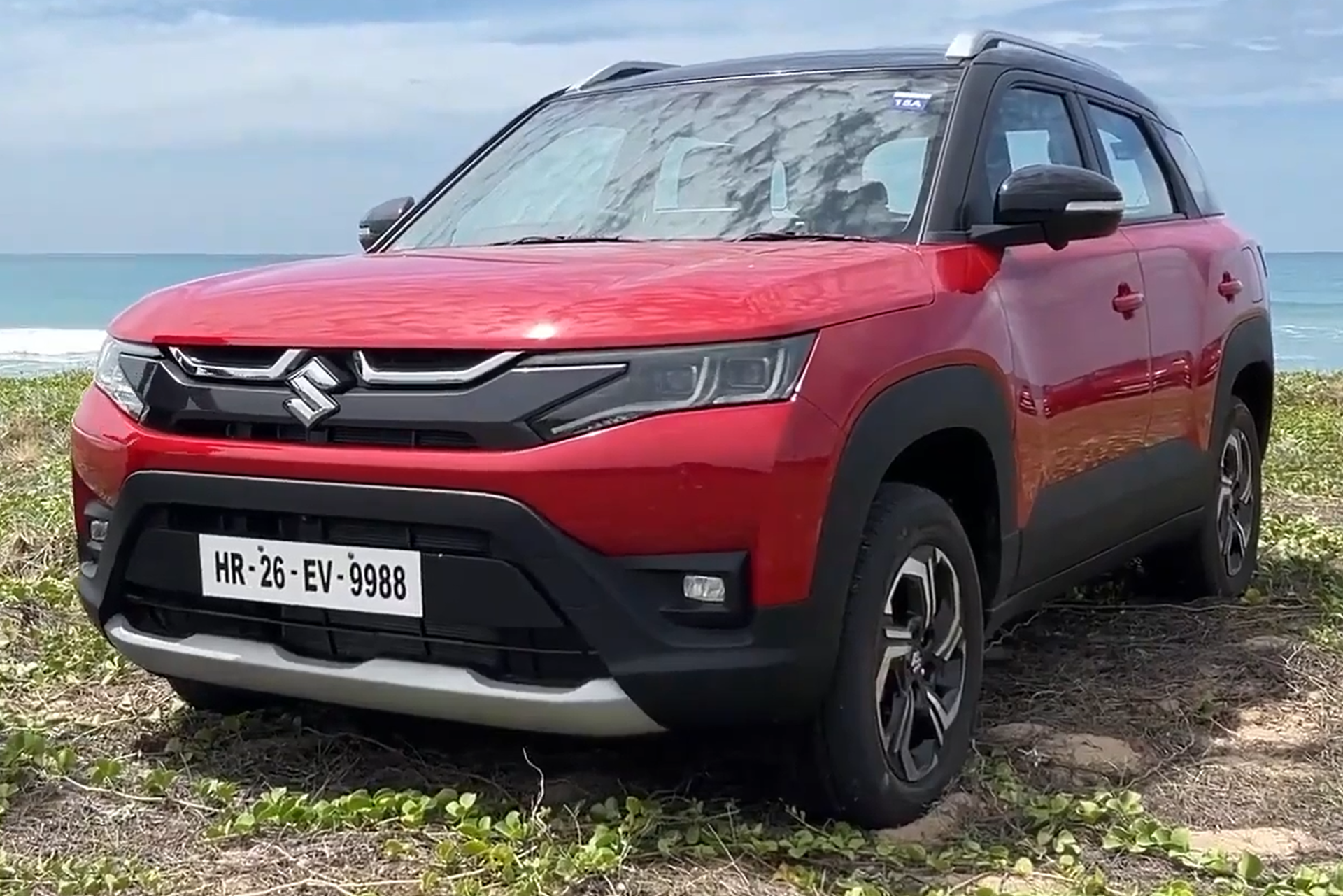
Should you still book now
Every model on this list is still meaningfully cheaper than it was a year ago, but that gap only shrinks from here. Waiting for a bigger discount at this point is betting against the trend, not with it.
If commodity prices stay elevated, do not expect Maruti’s next filing to bring a cut. The honest advice for anyone cross-shopping right now is to stop waiting for the market to get cheaper and instead work out what the car actually costs you monthly. You can check the Dzire’s EMI breakup or the Brezza’s on-road price in Mumbai directly, or run any car through the site’s EMI and running-cost tools before you lock in a booking. The festive season will bring dealer discounts on top of all this, but those come and go by stock and location, while the GST-versus-input-cost math above is now baked into the sticker price everywhere.