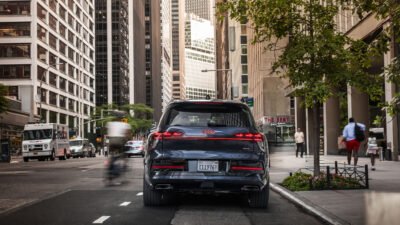




















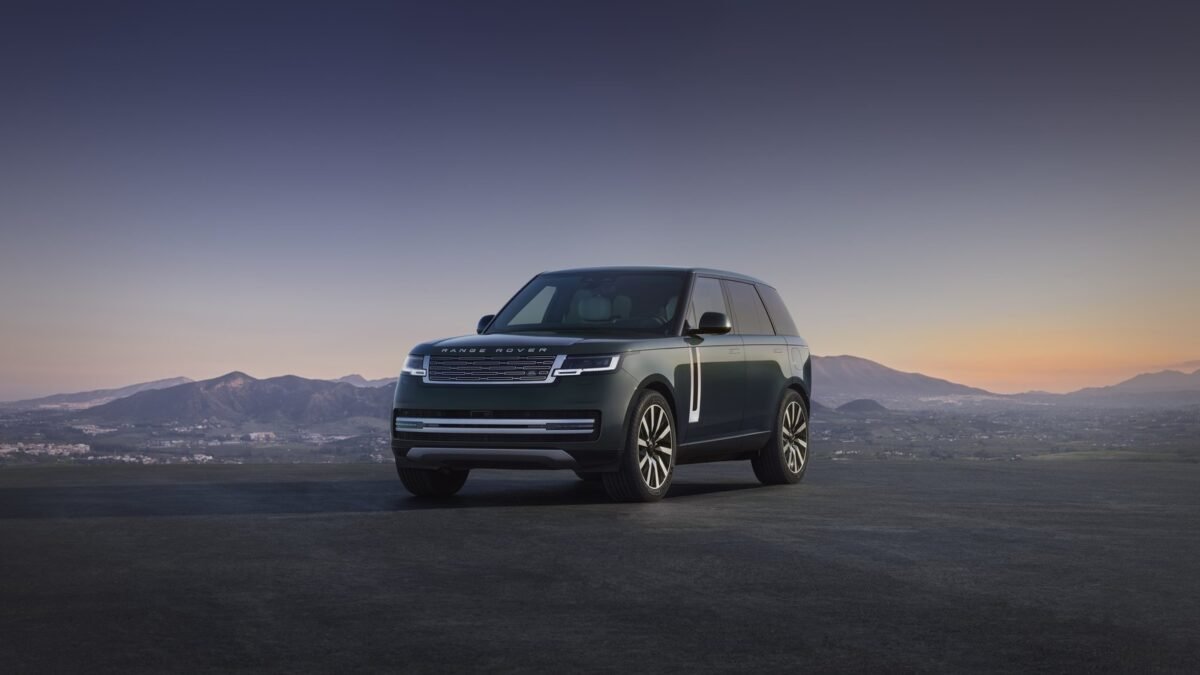
Range Rover just built its first electric SUV in the nameplate’s 56 year history, and it is real: order books are open today with a starting price of £154,070 (roughly $208,000) in the UK, and bookings have opened in India the same day for a ₹10 lakh token amount. Land Rover has waited years to get here, teasing this car since 2021 and delaying it more than once. It is finally a car you can actually book.
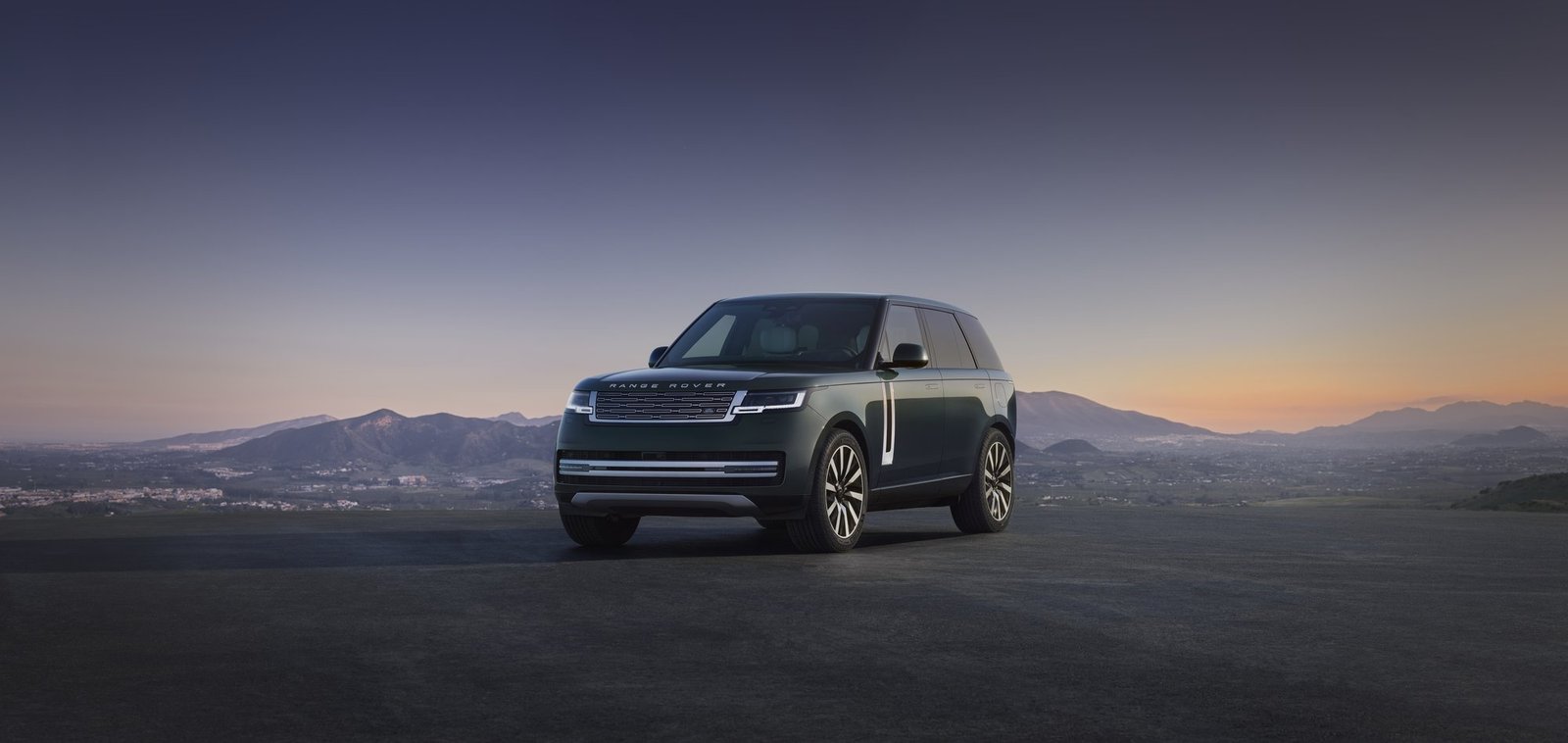
Here is why you should care even if you will never sign the cheque: this is the clearest signal yet that ultra-luxury SUVs are going electric on the manufacturer’s terms, not by cutting corners to hit a range number. Range Rover has built an EV that costs more than the petrol car, weighs more than the petrol car, and can tow less than the petrol car. It is an honest trade-off, not a marketing trick, and that honesty is worth understanding before you decide whether the switch actually works for you.
The numbers, and the one number Range Rover would rather you skipped
Two permanent-magnet electric motors, one on each axle, put out a combined 550PS (542 hp in the way the US measures it) and 850Nm of torque. That is enough for 0-100kmph in 4.5 seconds, right up with the V8 petrol Range Rover. Power comes from a 118.5kWh battery built as two stacks on top of each other, running on 800-volt electrical architecture, which is the same trick Porsche and Hyundai use to charge faster without needing a bigger, heavier cable. Plug into a 350kW DC fast charger and the battery goes from 10 to 80 percent in 22 minutes, adding around 220km of range in just the first 10 minutes.
Range itself is rated at up to 600km on the WLTP test cycle (that is the European lab test, which tends to run a little generous), with Range Rover’s own real-world claim closer to 535km. Either way, this is a genuinely usable number for a car this size and this heavy.
Here is the trade-off nobody is hiding: maximum towing capacity drops to 2.5 tonnes, down from 3.5 tonnes on the V8 petrol Range Rover. A nearly 3-tonne battery-and-motor package adds weight, and physics does not negotiate. If you tow horse floats or a boat for a living, this is not your Range Rover yet.
| Spec | Range Rover Electric | Range Rover V8 Petrol |
| Power / Torque | 550PS / 850Nm | 530PS / 750Nm |
| 0-100kmph | 4.5 seconds | 4.5 seconds |
| Max towing | 2.5 tonnes | 3.5 tonnes |
| Kerb weight | From 2,810kg | 2,720kg |
| UK starting price | £154,070 | £107,070 |
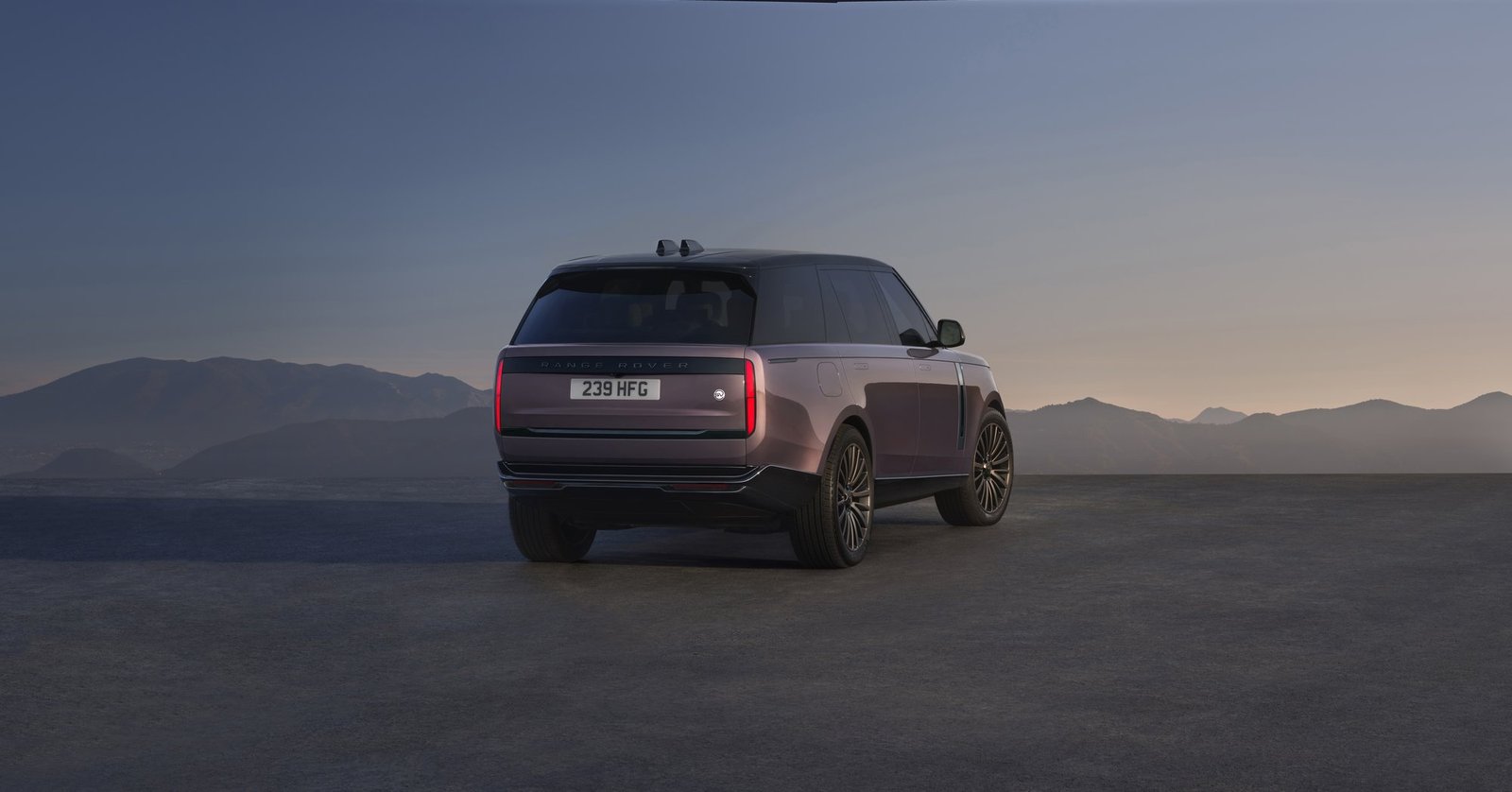
Why Range Rover took this long, and why it still kept the off-road party tricks
JLR has tested this car hard: the equivalent of 38 laps of the planet on physical roads, plus more than 250,000 hours of simulated testing, by the company’s own account. That caution makes sense. Range Rover’s entire brand promise is that it can cross a river and still valet-park outside a five-star hotel the same evening, and a heavy, expensive EV battery makes both of those harder to protect. The company says it has: wading depth stays at 900mm, and the car can still climb a 45-degree slope using single-pedal control, where lifting off the accelerator alone is enough to manage a descent without touching the brake pedal.
The traction system also reacts in as little as 50 milliseconds, JLR claims, about 100 times faster than the mechanical systems on a combustion Range Rover need to redirect power to a wheel with grip. That matters more off-road than the 0-100kmph number does, and it is the kind of detail that suggests this was engineered as a proper Range Rover first and an EV second.
“Electric propulsion is perfectly suited to Range Rover’s exquisite refinement, elevating the sense of calm and secluded sanctuary,” said Range Rover managing director Martin Limpert at the reveal.
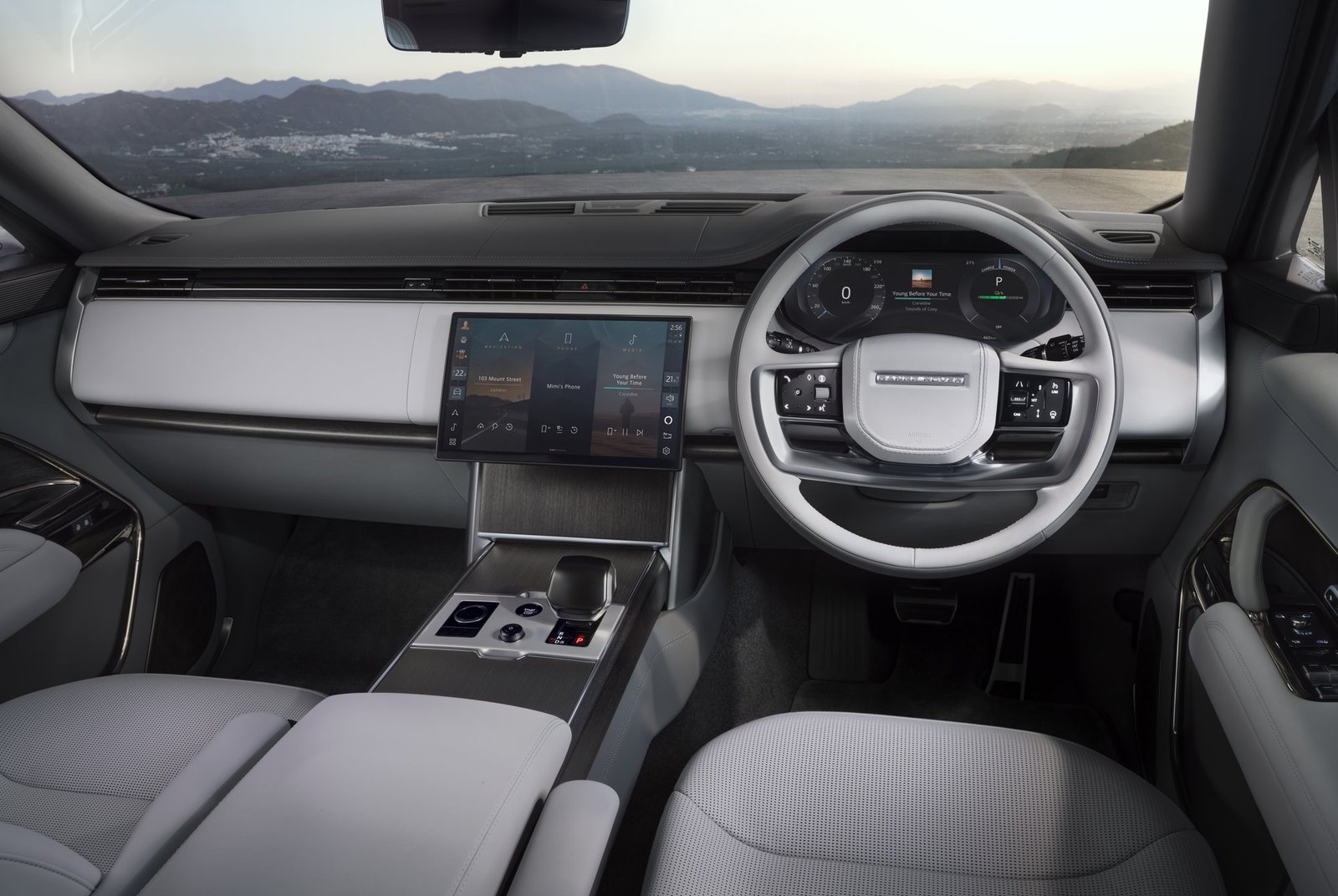
The India angle: bookings are open, but the price will sting
This is not a car India has to wait years for. JLR India opened bookings today for ₹10 lakh, across the standard-wheelbase Autobiography and First Edition trims and the long-wheelbase SV, SV Ultra and SV Black. The company has not confirmed a final price yet, but industry estimates put it around ₹3.5 to ₹3.7 crore, ex-showroom, once it lands.
There is a specific reason that number will be higher, proportionally, than what the UK or US pays: this car is fully imported from JLR’s Solihull plant in the UK, and under the India-UK free trade agreement that has already cut prices on other British-built cars, electric and hybrid vehicles are specifically excluded from the duty cuts for the deal’s first five years. Combustion Range Rovers built in Solihull are getting cheaper because of that same FTA. This one is not, at least not yet, so buyers here are paying full import duty on top of an already premium electric powertrain. Deliveries, in every market, are slated to begin sometime in 2027.
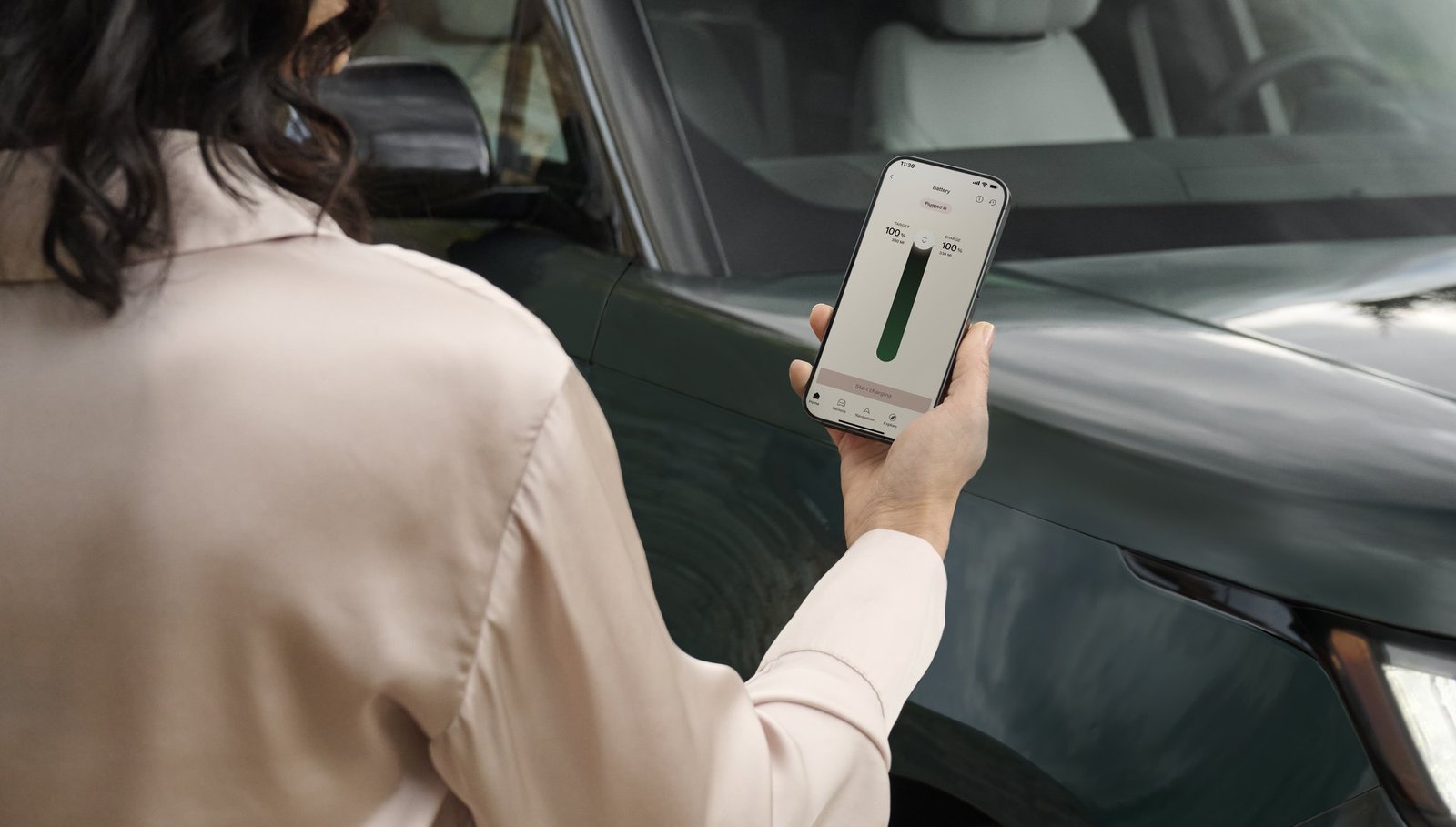
Should you actually want one?
If you can afford a Range Rover in the first place, the electric version is not a compromise dressed up as progress; it is a genuinely different tool for a genuinely different job. You get quicker acceleration, a quieter cabin (JLR claims it is 7 decibels quieter than the V8 under hard acceleration, which is a noticeably big drop to the ear), and a fast-charging network that, in North America at least, plugs straight into Tesla Superchargers with no adapter. What you give up is towing capacity and roughly ₹90 lakh to ₹1 crore over where the equivalent petrol car will likely land once FTA cuts filter through.
For most Indian buyers, this launch is a marker rather than a shopping decision: it tells you where JLR is putting its engineering effort next, and it puts a hard number on what going fully electric costs at the very top of the SUV market right now. Whether that number looks reasonable in three years, once battery costs fall and the FTA exemption on EVs eventually lifts, is the more interesting question than anything about this specific launch day.